Lawn
How to Fix Fertilizer Stripes in Your Lawn (and Never Get Them Again)
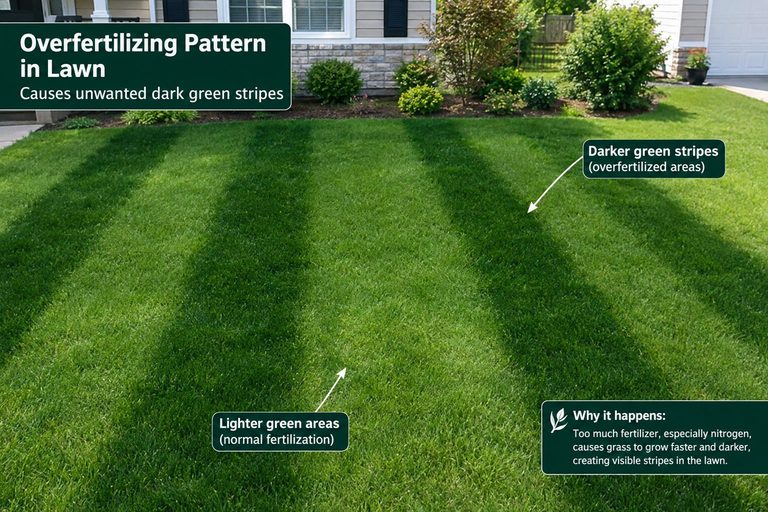
Tell dark-green overlap stripes from yellow burn stripes, fix each one, and calibrate your spreader and walking pattern so they don't come back.
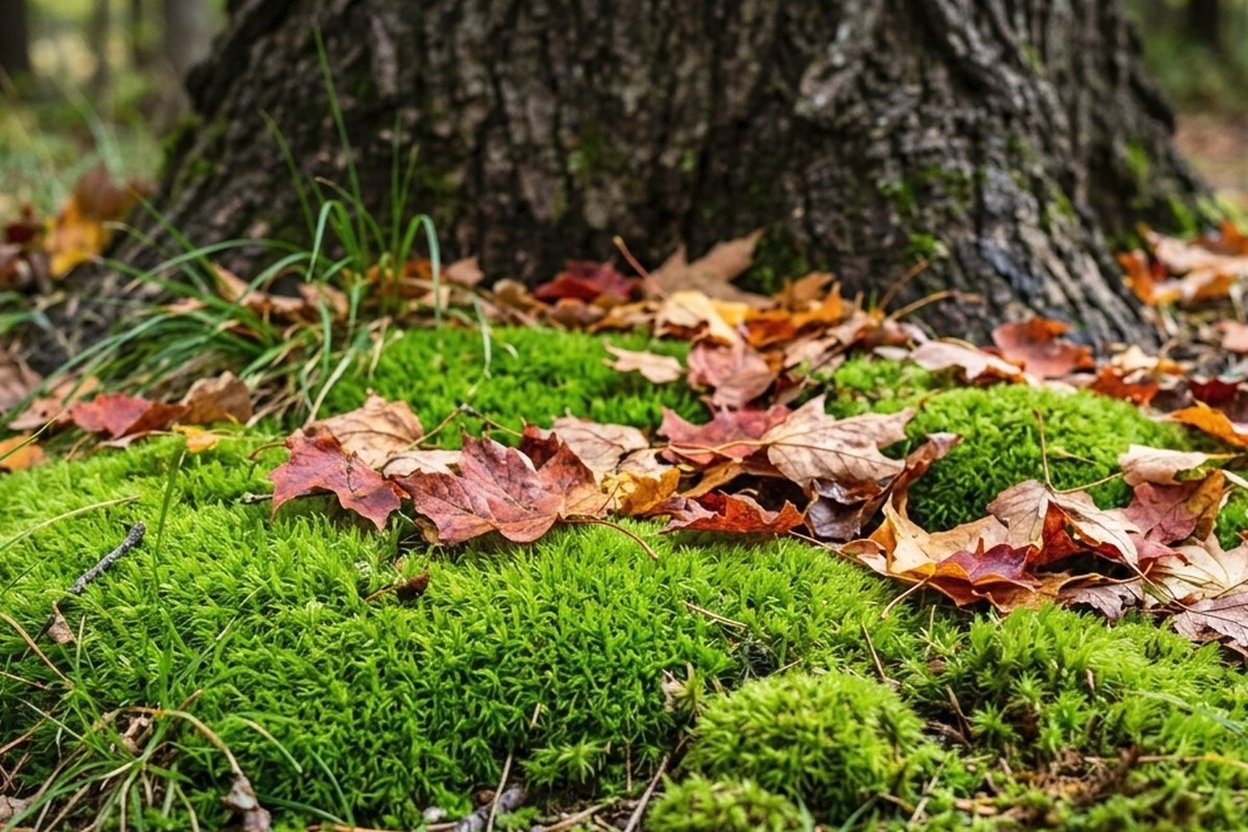
Moss means shade, compaction, wet soil, low pH or low fertility. Here's how to find which one you have and fix it this fall.
Jack · golf course superintendent·8 min read·October 6, 2026
Moss doesn't push grass out. It moves in after the grass has already given up. If you've got moss, something about that spot is bad for turf: too much shade, packed soil, standing water, acidic soil, low fertility, or several of those at once. Kill the moss and leave the cause, and it'll be back by next fall. Find the cause and fix it this fall, and the grass can take the spot back.
University of Illinois Extension lists the usual causes as excessive shade, compacted soil, poor drainage, low fertility, a soil pH that's off, and poor air circulation. Other extension services give nearly the same list. Each one leaves its own clues, so start by looking at the spot.
Stand where the moss is and go through these:
On a golf course we never treated a moss patch until we knew why it was there. The fix for a shaded tee and a waterlogged low spot in a fairway are completely different jobs, and the moss looks the same on both.
Shade is the cause I see most often. Grass needs direct sunlight, and the bright filtered light under a tree isn't enough.
Watch the spot on a sunny day and count the hours it gets direct sun. Penn State turfgrass specialists say that if a site gets more than three hours of direct sun a day, you can probably establish a fine fescue (creeping red, red, or Chewings fescue) as long as the soil drains well. Under three hours, they recommend giving up on grass and planting a shade ground cover like pachysandra or myrtle.
If you're right around the line, these help:
If you get less than three hours of sun and the moss looks good, think about leaving it. Illinois Extension points out that moss is an acceptable ground cover where nothing else will grow. It stays green, you never mow it, and it stops the mud.
Push a long screwdriver into the soil when it's moist. In healthy turf it goes in easily for several inches. If you have to lean on it in the moss patch but not in the good grass a few feet away, the soil is compacted. Roots can't get down through it, water sits on top, and moss does fine in that thin wet layer.
Core aeration is the fix, and early fall is the best time for it because the grass recovers fast. Pull cores, not spikes. A spike tine pushes soil sideways and packs it even tighter. For heavy clay, plan on aerating every fall for a few years in a row. One pass won't undo ten years of foot traffic. The aeration and topdressing guide covers how deep to go and how many passes to make.
If the spot holds water, the grass roots are short of oxygen and moss isn't. Check the obvious things first:
Redirecting a downspout is a $15 extension and an afternoon. A real low spot takes regrading or a drain. See fixing wet spots before winter. Once the irrigation is shut down, cut that zone's run time or move the head next spring.
Most cool-season lawns grow best at a soil pH of 6.0 to 7.0. Moss tolerates acidic soil better than grass does, so a lawn that has slid below 6 starts to favor moss. That doesn't mean you should spread lime because you saw moss. Illinois Extension says plainly not to lime unless a soil test shows the pH needs to come up. Plenty of mossy lawns have a pH that's fine, and liming one that's already neutral does nothing for you.
A soil test from your state's extension lab costs about the same as a bag of fertilizer, and fall is a good time to send one in. See fall soil testing and, if the number comes back low, lime for northern lawns for rates.
Low fertility works the same way. Thin, hungry grass leaves gaps, and moss fills them. The test will tell you whether potassium or phosphorus is short too, not only nitrogen.
You still have to get rid of what's there so new seed can reach the soil. You've got two options:
Iron has two catches. It stains concrete, pavers, and stone rust-orange, so sweep every granule off the driveway and walk. And Illinois Extension says the control is temporary, so moss comes back quickly if the conditions haven't changed. UAF also warns that most roof moss killers will kill or damage grass. Don't use leftover roof product on the lawn.
October is when the fix comes together for cool-season lawns. Soil is still warm enough to germinate seed, nights are cool, weed pressure is low, and the trees are about to drop their leaves and let in light for weeks. Penn State makes the same point about shade seeding: the grass needs time to establish before the trees leaf out again next summer.
The fall order of work:
If your soil has already cooled too far to germinate seed, do steps 1 through 4 now and dormant seed in late fall or overseed early next fall. Check whether you still have time in is it too late to overseed in October.
Tell dark-green overlap stripes from yellow burn stripes, fix each one, and calibrate your spreader and walking pattern so they don't come back.
Most lawns need two or three feedings a year, plus crabgrass prevention only if needed. A golf course superintendent's yearly schedule.
Skip the flyer: a screwdriver probe and thatch check show whether your lawn needs aeration, plus soil and traffic guidance on when to core aerate.