Lawn
How to Fix Fertilizer Stripes in Your Lawn (and Never Get Them Again)
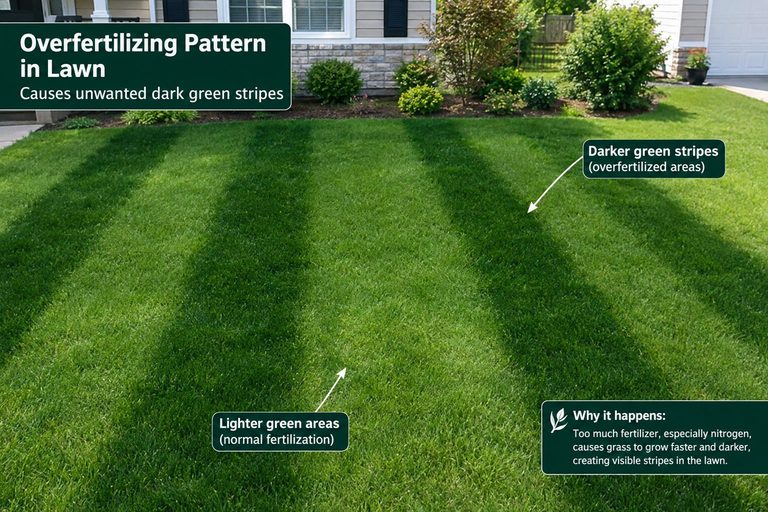
Tell dark-green overlap stripes from yellow burn stripes, fix each one, and calibrate your spreader and walking pattern so they don't come back.
Standing water kills grass in winter: ice sheets, snow mold, and frost heave. How to find out why a spot stays wet, the fixes from easiest to hardest, and what you can still do this fall.
Jack · golf course superintendent·4 min read·October 3, 2026
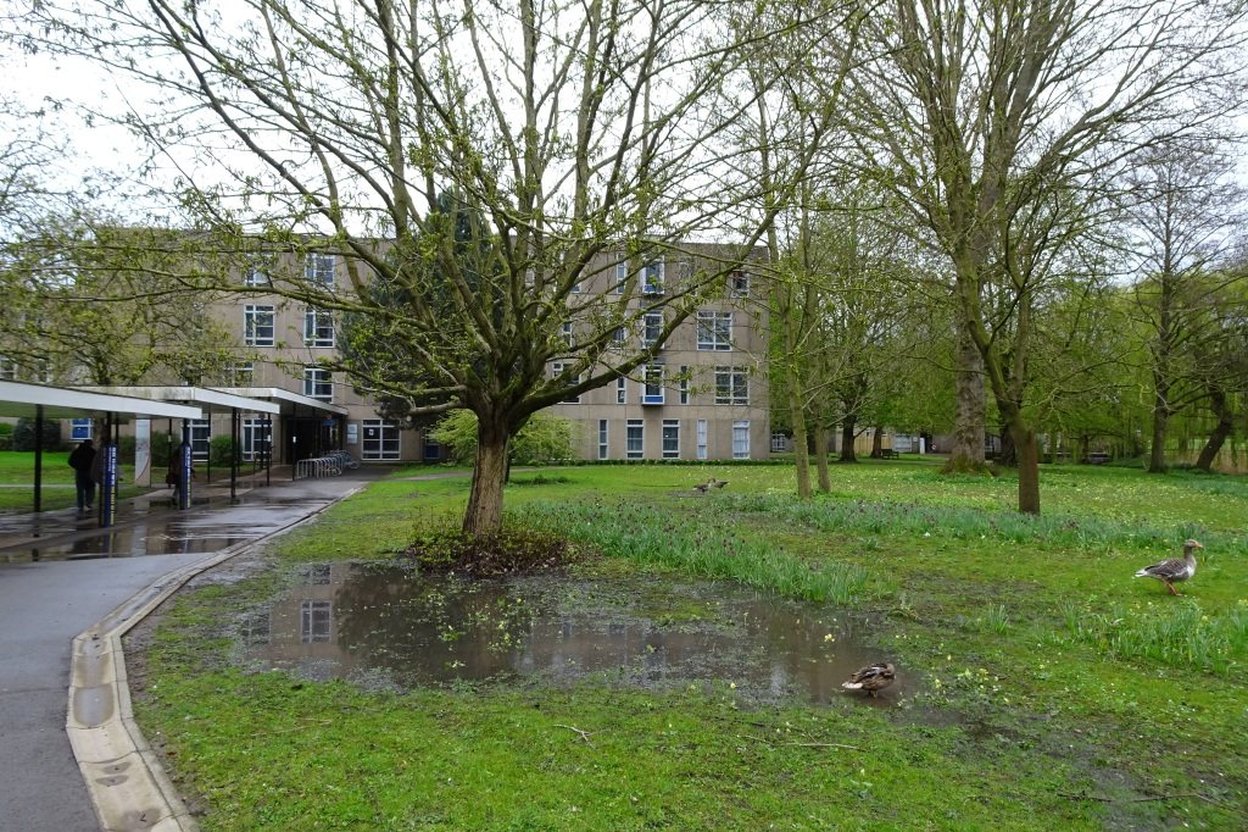
Every course I worked on had a few spots that never drained right, and every spring those were the spots we were reseeding. Water that sits on turf going into winter turns into ice, and grass under a sheet of ice for weeks can suffocate. Wet spots also feed snow mold and heave the soil when they freeze and thaw. If you've got a low spot that holds water after every rain, fall is the last good window to fix it before it costs you grass.
Walk the yard during or right after a hard rain. That's when you see where water comes from and where it goes. Most wet spots come down to one of these:
Dig a small hole in the wet spot. If the top few inches are hard and the soil below is drier, compaction is your problem. If the hole fills with water from the sides, you're dealing with a high water table or groundwater, and that's a bigger job.
Extend downspouts at least several feet from the house and away from the low spot, or run them into a buried pipe that daylights downhill. Check where your sump pump discharges, too. This is the cheapest fix and solves a surprising number of wet spots.
Core aeration pulls plugs of soil and opens channels for water. On compacted clay, aerate in fall and topdress with compost or sand-based mix to keep those channels open. One pass won't fix decades of compaction; plan on doing it every fall for a few years.
For a shallow dip, spread a quarter to half an inch of topsoil or a sand-compost mix over the grass at a time, so the grass grows up through it. For a deeper hole, cut and roll back the sod, fill with soil, tamp it, and lay the sod back down. Leave it a little high; it'll settle. Aim for a gentle slope away from the house and toward somewhere the water can go.
A French drain is a gravel-filled trench with a perforated pipe that carries water from the wet spot to a lower outlet. A dry well is a buried pit filled with gravel or a plastic chamber that holds water and lets it soak in slowly. Both work, but both need somewhere for the water to go, and both need you to call 811 before you dig so you don't hit a buried utility line.
Some spots will always be wet. A rain garden with plants that tolerate wet feet can turn a soggy patch of dead grass into something that works. Your extension service has lists of native plants for your region.
Bigger jobs like regrading or drains are fine to do in fall too, as long as you finish before the ground freezes and get some seed or sod down. If you run out of time, plan them for early spring when the soil dries out enough to work.
Wet, matted areas are the first place snow mold shows up. If you see grey or pink matted patches after the snow melts, rake them lightly to let air in and the grass usually recovers.
Fix the water first, and every other lawn job you do in that spot will work better.
Photo: Flooded lawn near Derwent M block - geograph.org.uk - 7746996 by DS Pugh, CC BY-SA 2.0.
Tell dark-green overlap stripes from yellow burn stripes, fix each one, and calibrate your spreader and walking pattern so they don't come back.
Most lawns need two or three feedings a year, plus crabgrass prevention only if needed. A golf course superintendent's yearly schedule.
Skip the flyer: a screwdriver probe and thatch check show whether your lawn needs aeration, plus soil and traffic guidance on when to core aerate.