Fall & Winter
Snow mold on Minnesota lawns last spring: what to change this fall
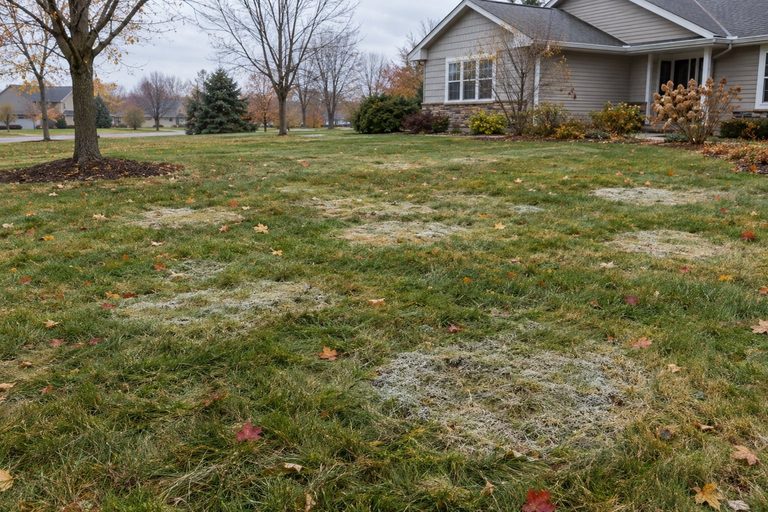
Snow mold hit many Minnesota lawns last spring. Learn the fall changes that reduce it: final mowing height, leaf handling, and fertilizer timing.
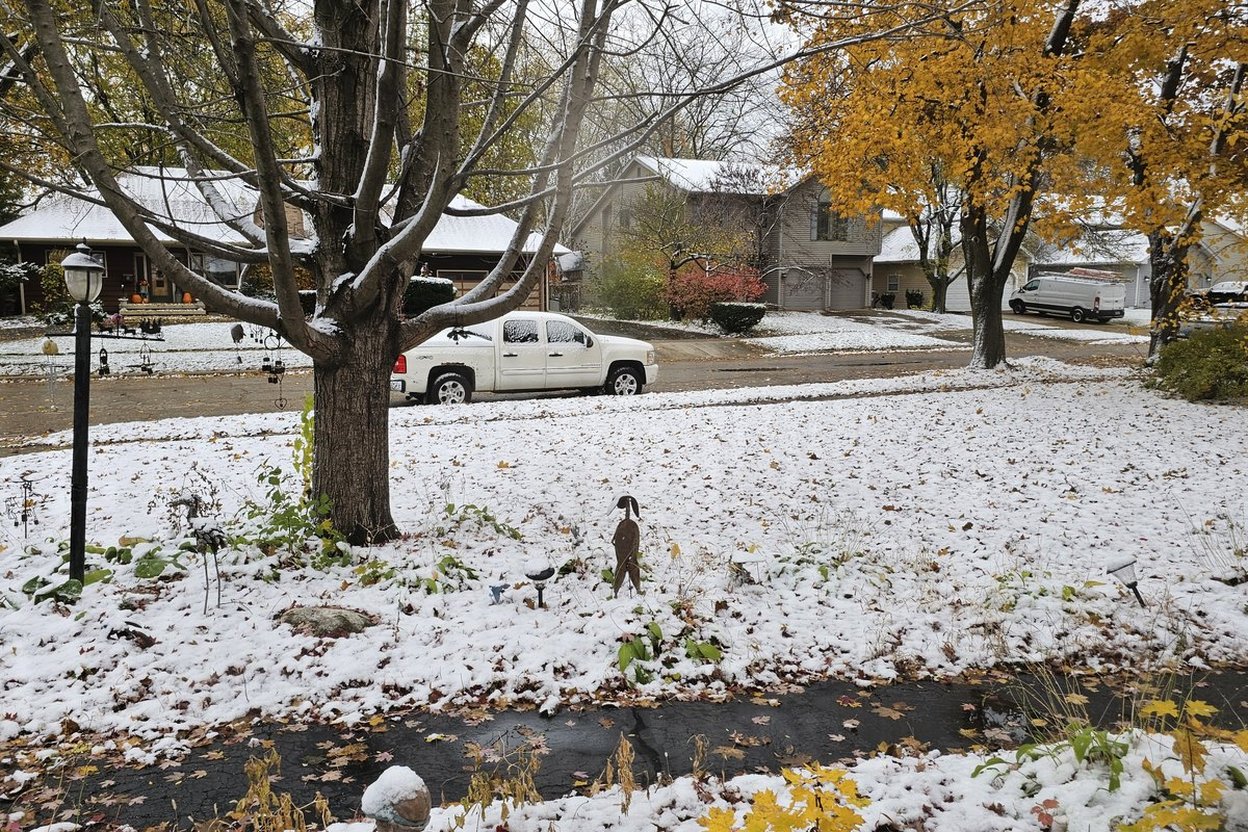
Snow mold doesn't start with snow. It starts with matted leaves and long wet grass going into winter. Why fall cleanup is the best snow mold prevention a homeowner has.
Jack · golf course superintendent·2 min read·October 5, 2026
Every spring, someone finds gray or pinkish circles in the lawn as the snow melts and asks what happened. Most of the time, the answer goes back to October: a lawn that went into winter long, wet, and covered in leaves.
Snow mold is a group of fungi that grow in cold, wet conditions, just above freezing. They don't need warmth. They need moisture and cover.
A layer of wet leaves on the grass does what snow does: it traps moisture, blocks air and keeps the grass blades wet for weeks. Put snow on top of that, and you've built a perfect home for snow mold.
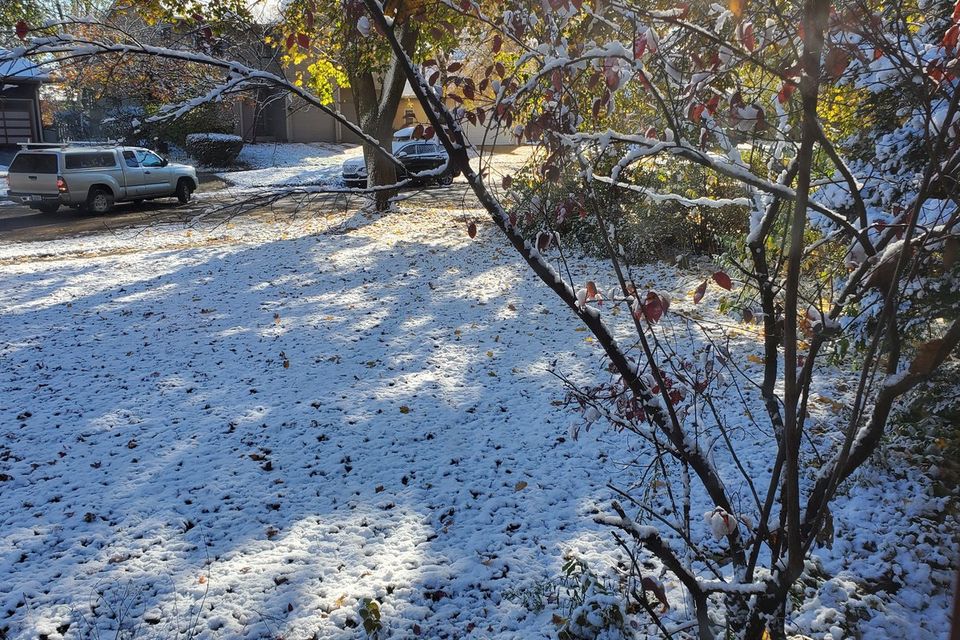
Long grass does the same thing. Tall blades flop over and mat down under snow.
Most home lawns recover from snow mold on their own. In spring, rake the matted patches lightly so air gets in, and the grass usually grows back as it warms. See snow mold prevention and recovery.
On golf courses, we spray preventive fungicide on greens because they're cut so short. On a home lawn, good fall cleanup does most of the work.
Snow mold hit many Minnesota lawns last spring. Learn the fall changes that reduce it: final mowing height, leaf handling, and fertilizer timing.
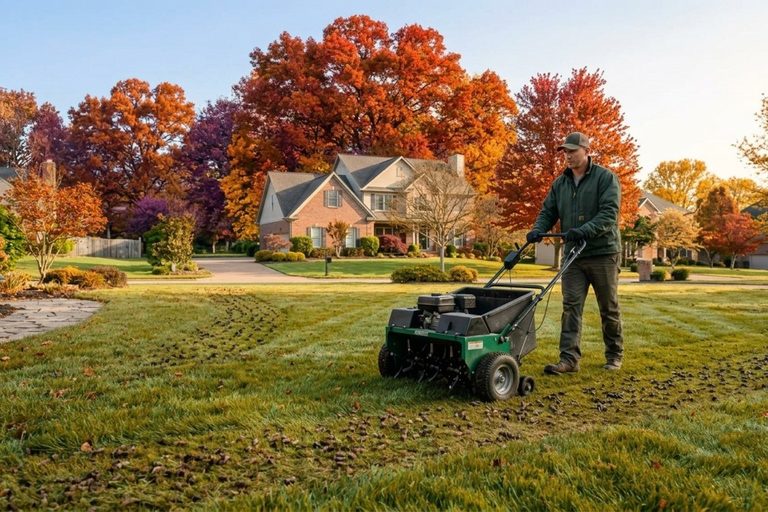
Late October core aeration can work if the grass is still growing and the soil is moist and unfrozen. Here's how to check, and when to wait.
Move carved pumpkins off the turf within days to compost, a drop-off, or a garden bed so the grass doesn't die underneath. Local rules vary.