Lawn
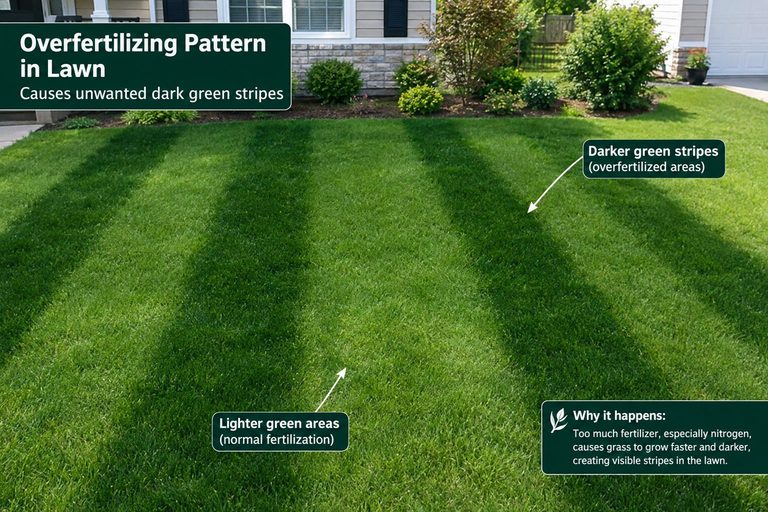
How to Fix Fertilizer Stripes in Your Lawn (and Never Get Them Again)
Tell dark-green overlap stripes from yellow burn stripes, fix each one, and calibrate your spreader and walking pattern so they don't come back.
Missed the September seeding window? Dormant seeding puts seed down in late fall so it sprouts on its own in spring. When to do it, which grasses work, and what to expect.
Jack · golf course superintendent·3 min read·October 2, 2026
Late August to mid-September is the best time to seed a cool-season lawn. But life happens, and plenty of homeowners look out in November at bare spots they meant to fix. Superintendents have a trick for that: dormant seeding. You sow seed when it's too cold for it to sprout, it sits in the soil all winter, and it comes up early in spring on its own.
Grass seed needs warm enough soil to germinate. If you seed when soil temperatures are consistently below about 50 degrees, the seed stays dormant. Freezing and thawing over the winter works it into the soil and helps it make good seed-to-soil contact. When the soil warms in spring, it germinates, often earlier than you could have seeded in spring yourself.
Dormant seeding works with the cool-season grasses:
Use the same mix you'd use in fall. See our guide to choosing the right cool-season grass mix.
Expect some seed loss to birds, washouts on slopes and winter conditions. On steep areas, erosion blankets or straw help. In spring, the seedlings will need regular watering as they emerge, just like a fall seeding.
Most crabgrass preventers stop grass seed from germinating too. If you dormant seed, skip the spring pre-emergent on those areas or use a product labeled safe for new seedings. Our pre-emergent timing guide explains the details.
Dormant seeding isn't as reliable as a September seeding, but it's far better than waiting until May. On a golf course we used it every year on spots we couldn't get to in time, and it saved us weeks in spring.
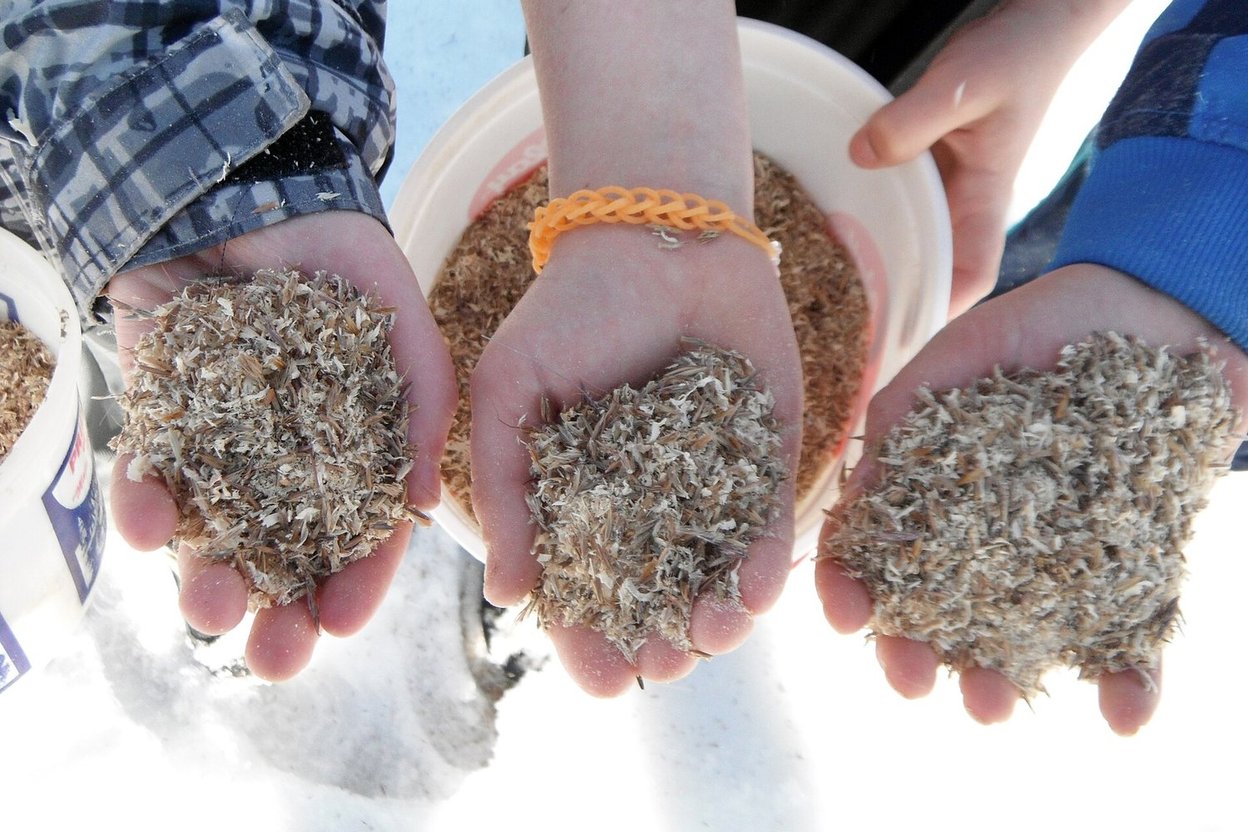
Photo: Seed Mixer (13308283343).jpg) by USFWSmidwest, Public domain.
Tell dark-green overlap stripes from yellow burn stripes, fix each one, and calibrate your spreader and walking pattern so they don't come back.
Most lawns need two or three feedings a year, plus crabgrass prevention only if needed. A golf course superintendent's yearly schedule.
Skip the flyer: a screwdriver probe and thatch check show whether your lawn needs aeration, plus soil and traffic guidance on when to core aerate.