Lawn
How to Fix Fertilizer Stripes in Your Lawn (and Never Get Them Again)
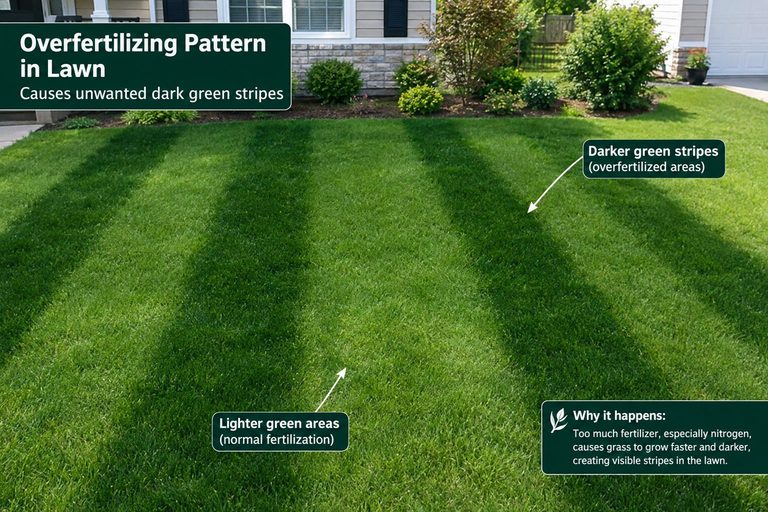
Tell dark-green overlap stripes from yellow burn stripes, fix each one, and calibrate your spreader and walking pattern so they don't come back.
Jack · golf course superintendent·1 min read·August 22, 2026
This is the question I get most often. The short answer: for the majority of properties outside the far north (Zones 3–4, where bluegrass’s winter hardiness wins) in 2026, tall fescue (or tall fescue-dominant mixes) wins on durability, drought tolerance, and lower maintenance.
| Factor | Tall Fescue | Kentucky Bluegrass |
|---|---|---|
| Drought Tolerance | Excellent (deep roots) | Fair (goes dormant) |
| Self-Repair | Good (bunch type + some rhizomes in newer varieties) | Excellent (aggressive rhizomes) |
| Traffic Tolerance | Very Good | Excellent when healthy |
| Fertility Needs | Low to Medium | High |
| Thatch Production | Low | High (requires regular dethatching) |
| Disease Resistance | Very Good | Variable (many older varieties are weak) |
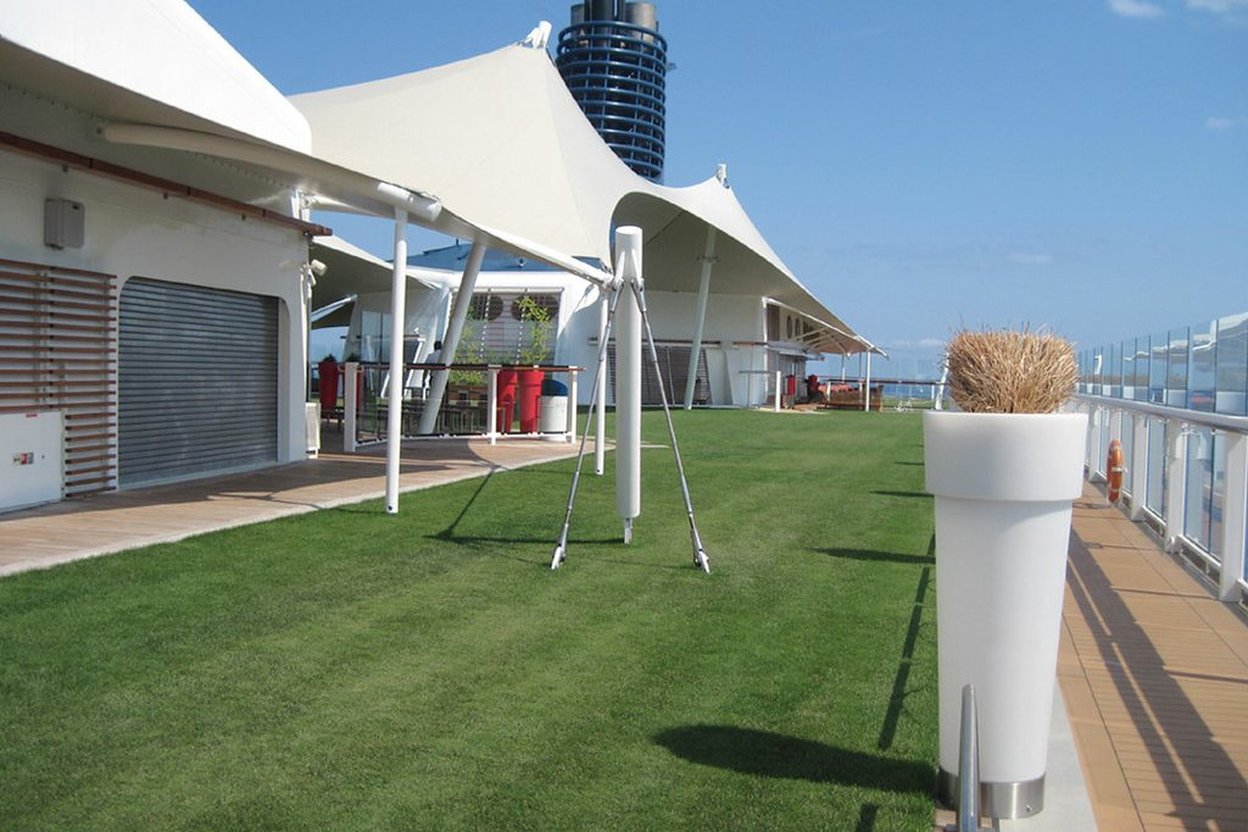
Photo: Equinox - 'The Lawn Club' by roger4336, BY-SA 2.0.
Tell dark-green overlap stripes from yellow burn stripes, fix each one, and calibrate your spreader and walking pattern so they don't come back.
Most lawns need two or three feedings a year, plus crabgrass prevention only if needed. A golf course superintendent's yearly schedule.
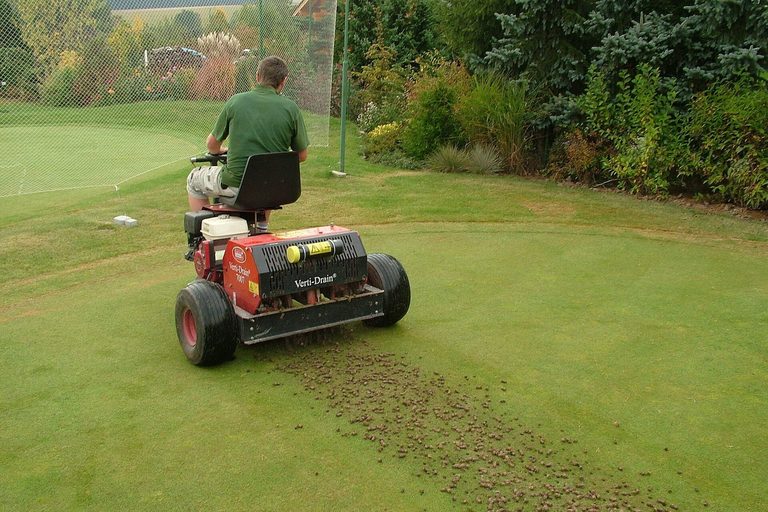
Skip the flyer: a screwdriver probe and thatch check show whether your lawn needs aeration, plus soil and traffic guidance on when to core aerate.