Mowers & Equipment
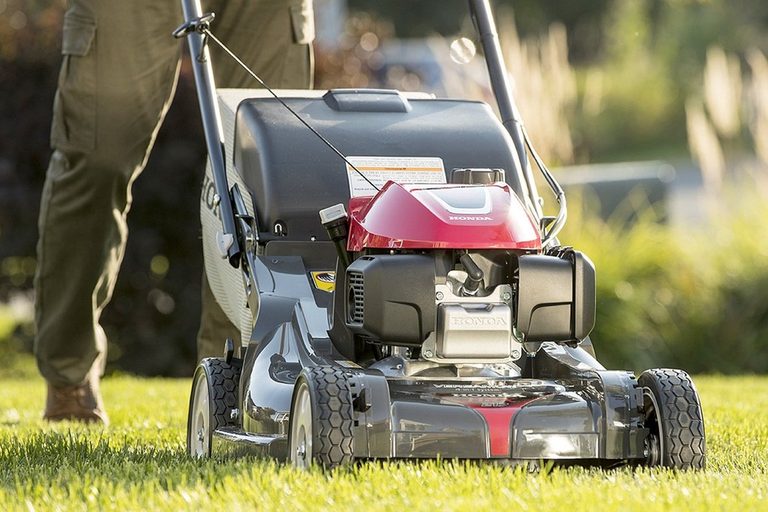
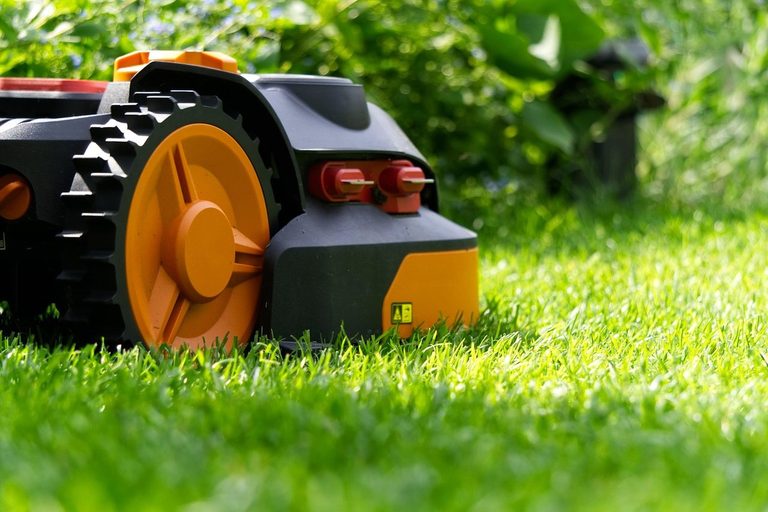
Are Robot Mowers Good Enough Yet? A Golf Course Superintendent Judges the Cut
A golf course superintendent's verdict on robot mowers: why the cut beats rotary mowers, where they fall short, costs, and who should buy one.
Lawn-care guides, from seed to snow mold.
A golf course superintendent's verdict on robot mowers: why the cut beats rotary mowers, where they fall short, costs, and who should buy one.
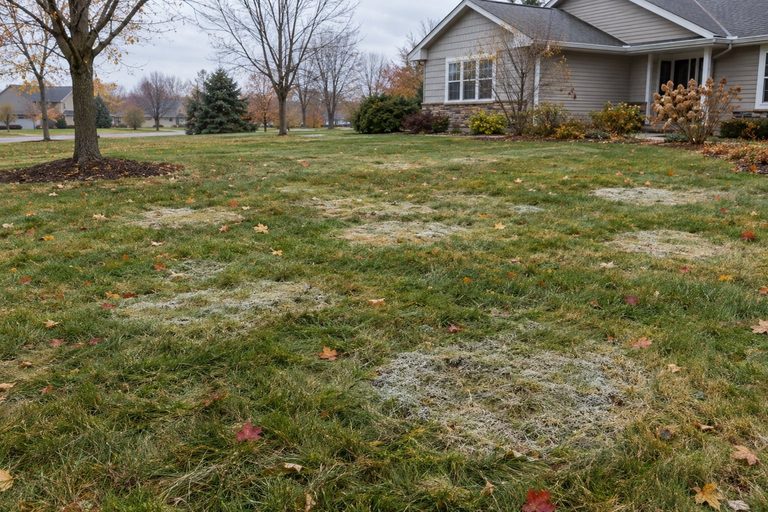
Snow mold hit many Minnesota lawns last spring. Learn the fall changes that reduce it: final mowing height, leaf handling, and fertilizer timing.
A small lawn under 5,000 square feet needs a basic mower, not a $6,000 one. Learn the cut height, blade, and upkeep that actually matter.
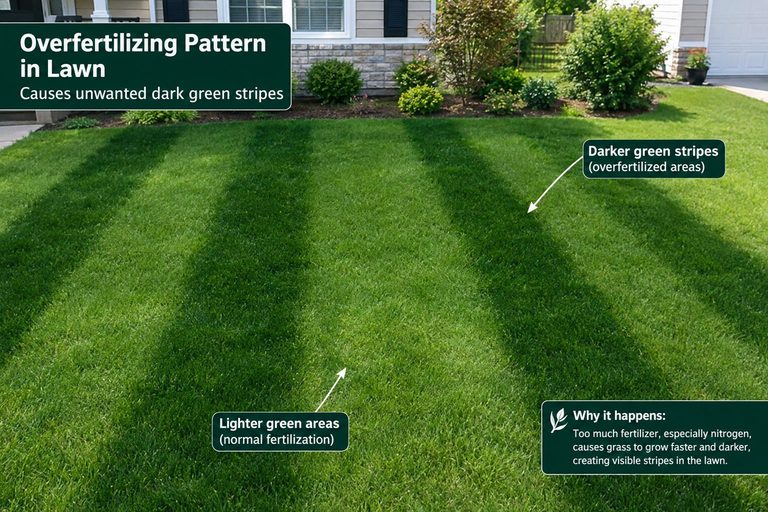
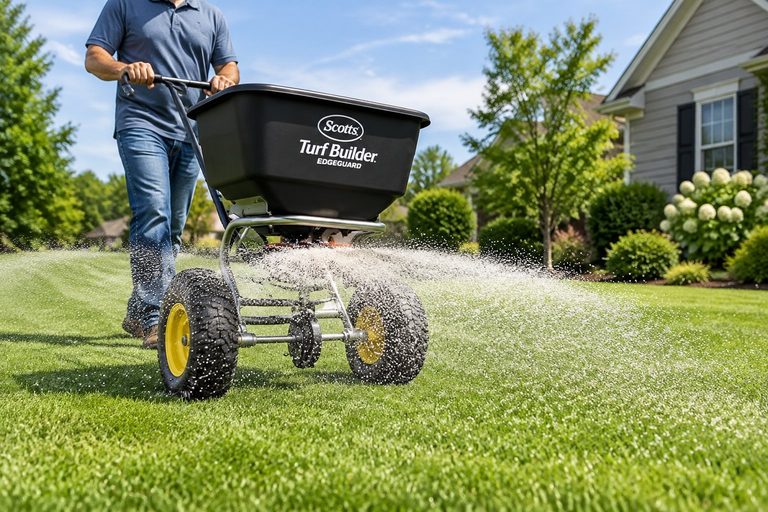
Tell dark-green overlap stripes from yellow burn stripes, fix each one, and calibrate your spreader and walking pattern so they don't come back.
Learn how golf courses kill grass at trees, fences and pavement to end string trimming. Covers mulch rings, edge strips and safe spraying.
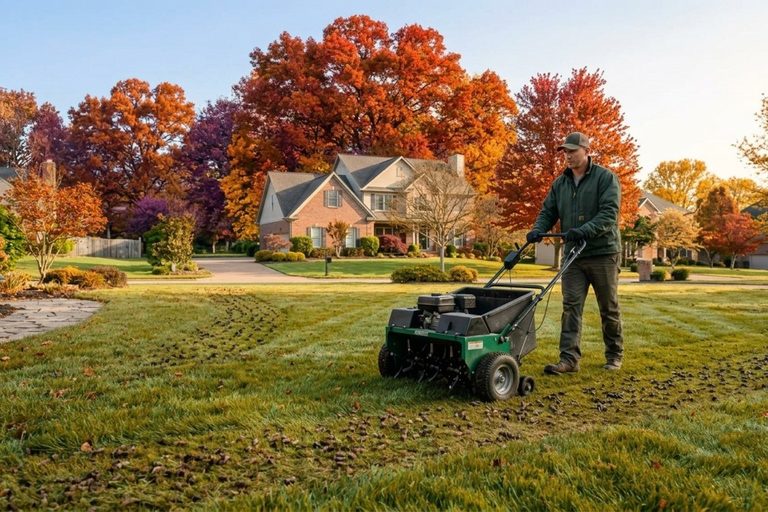
Late October core aeration can work if the grass is still growing and the soil is moist and unfrozen. Here's how to check, and when to wait.
Usually not too late to plant spring bulbs until the ground freezes. Get soil-temperature checks, planting depths, and a potting backup plan.
Most lawns need two or three feedings a year, plus crabgrass prevention only if needed. A golf course superintendent's yearly schedule.
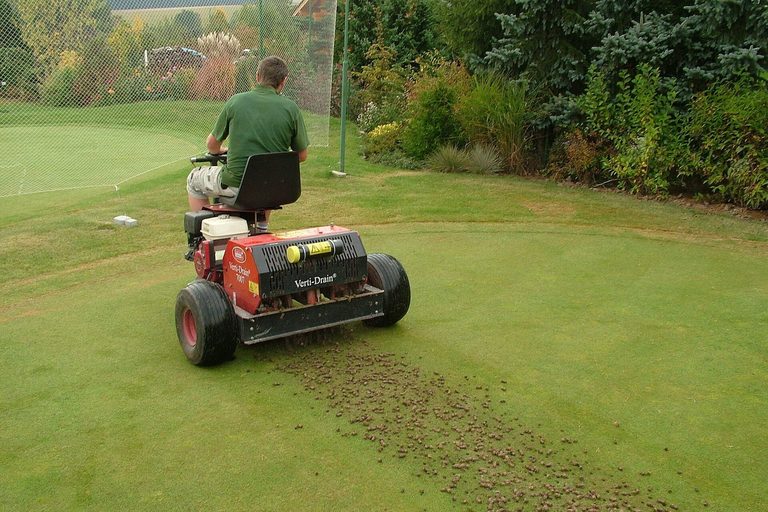
Skip the flyer: a screwdriver probe and thatch check show whether your lawn needs aeration, plus soil and traffic guidance on when to core aerate.
How many times a year a home lawn really needs fertilizer: usually one or two feedings, with timing, pounds of nitrogen, and when to skip.
Move carved pumpkins off the turf within days to compost, a drop-off, or a garden bed so the grass doesn't die underneath. Local rules vary.
Frost doesn't end mowing season. Learn when to mow after a frost and how to protect your lawn until growth stops for the season.