Fall & Winter
Snow mold on Minnesota lawns last spring: what to change this fall
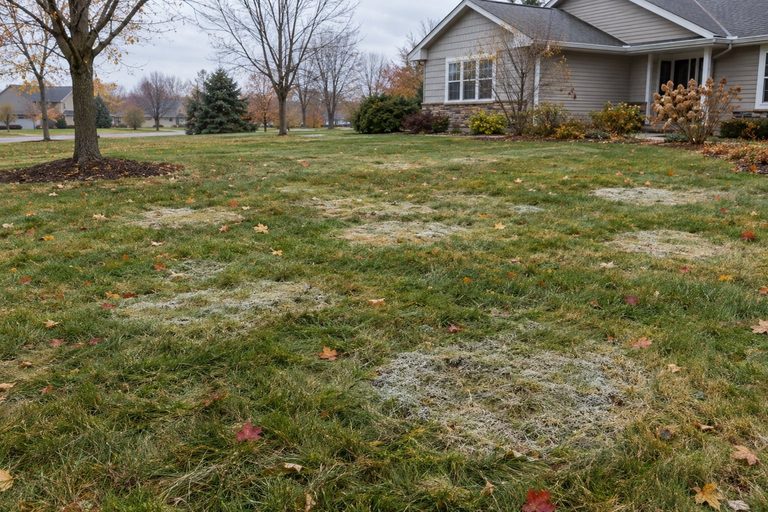
Snow mold hit many Minnesota lawns last spring. Learn the fall changes that reduce it: final mowing height, leaf handling, and fertilizer timing.
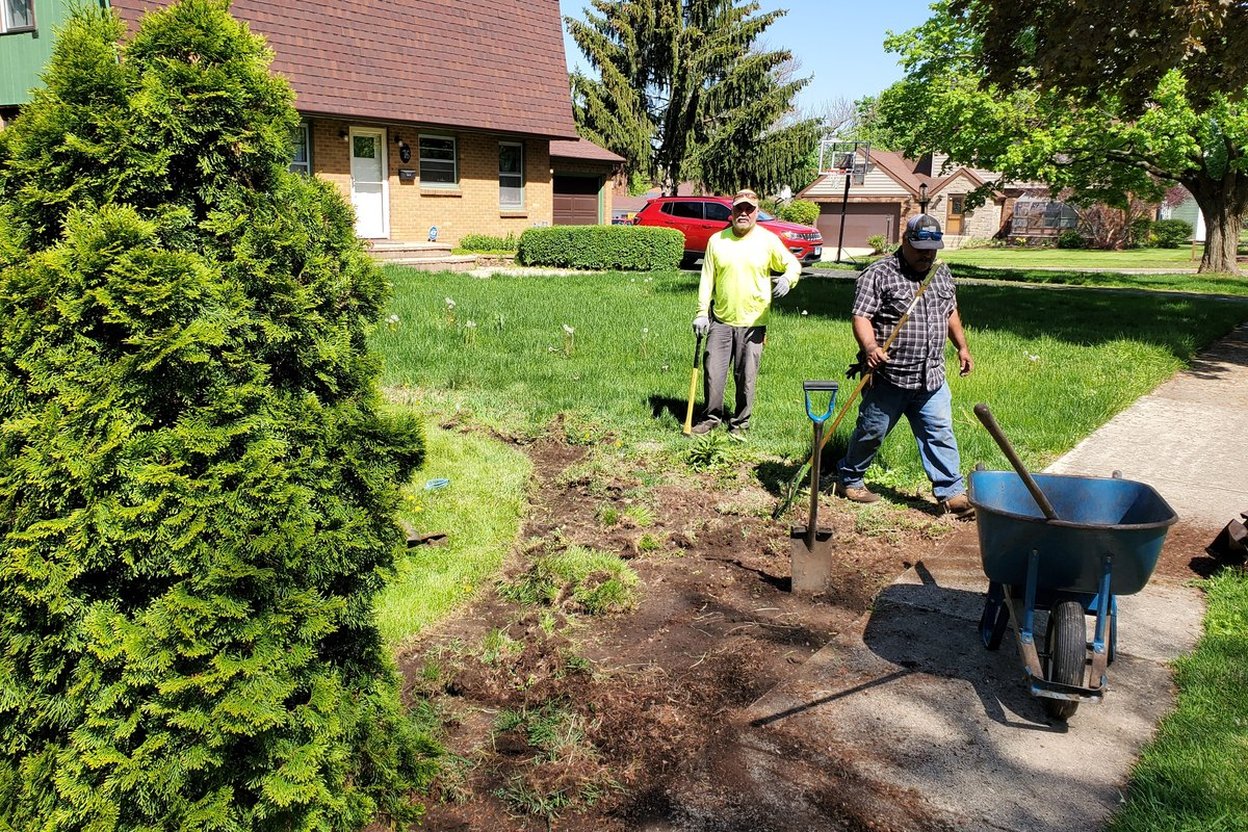
The best window for cool-season seed is mid-August to mid-September. In October it depends on where you live, the soil temperature and the seed you pick. How to decide, and what to do instead if you missed it.
Jack · golf course superintendent·3 min read·October 5, 2026
It's the question every garden center hears this week: "Is it too late to put seed down?"
The honest answer: in most northern yards, the best window has closed. Whether October can still work depends on your soil temperature, how many weeks you have before the ground freezes, and which grass you're planting.
Extension services across the North agree that the best time to seed a cool-season lawn is mid-August to mid-September. The soil is still warm, nights are cool, and weeds are slowing down. New grass gets six to eight weeks to grow roots before it goes dormant.
Seed planted in October comes up slower and goes into winter with short roots. A hard winter, ice or snow mold can wipe out much of a thin, young stand.
Check the soil, not the calendar. Push a soil thermometer 2 inches down in mid-afternoon. Cool-season grasses germinate best when soil is in the 50s to mid-60s °F. Once it's dropping through the 40s, germination slows to a crawl. See soil temperature, not the date.
Count the weeks. How long until your usual first hard freeze? If it's less than about six weeks, you're gambling.
Pick the seed. Perennial ryegrass sprouts in about a week in good conditions. Tall fescue takes a week or two. Kentucky bluegrass can take two to four weeks. In October, bluegrass alone is the slowest bet.
On the golf course, we never rushed late seed into a green. We'd rather fix it right at the right time than spend spring fixing a failed seeding.
Snow mold hit many Minnesota lawns last spring. Learn the fall changes that reduce it: final mowing height, leaf handling, and fertilizer timing.
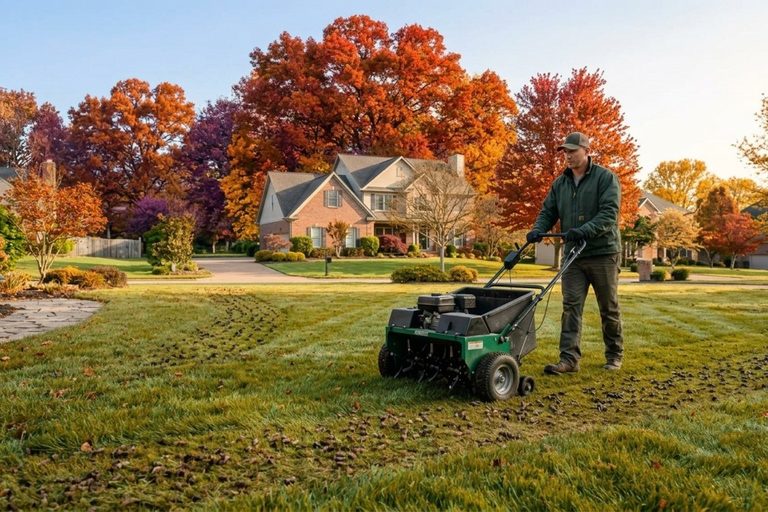
Late October core aeration can work if the grass is still growing and the soil is moist and unfrozen. Here's how to check, and when to wait.
Move carved pumpkins off the turf within days to compost, a drop-off, or a garden bed so the grass doesn't die underneath. Local rules vary.