Lawn
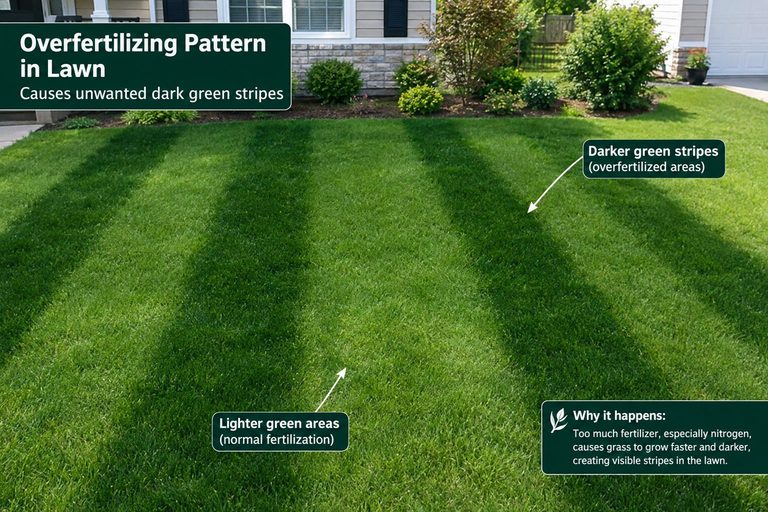
How to Fix Fertilizer Stripes in Your Lawn (and Never Get Them Again)
Tell dark-green overlap stripes from yellow burn stripes, fix each one, and calibrate your spreader and walking pattern so they don't come back.
Jack · golf course superintendent·2 min read·August 22, 2026
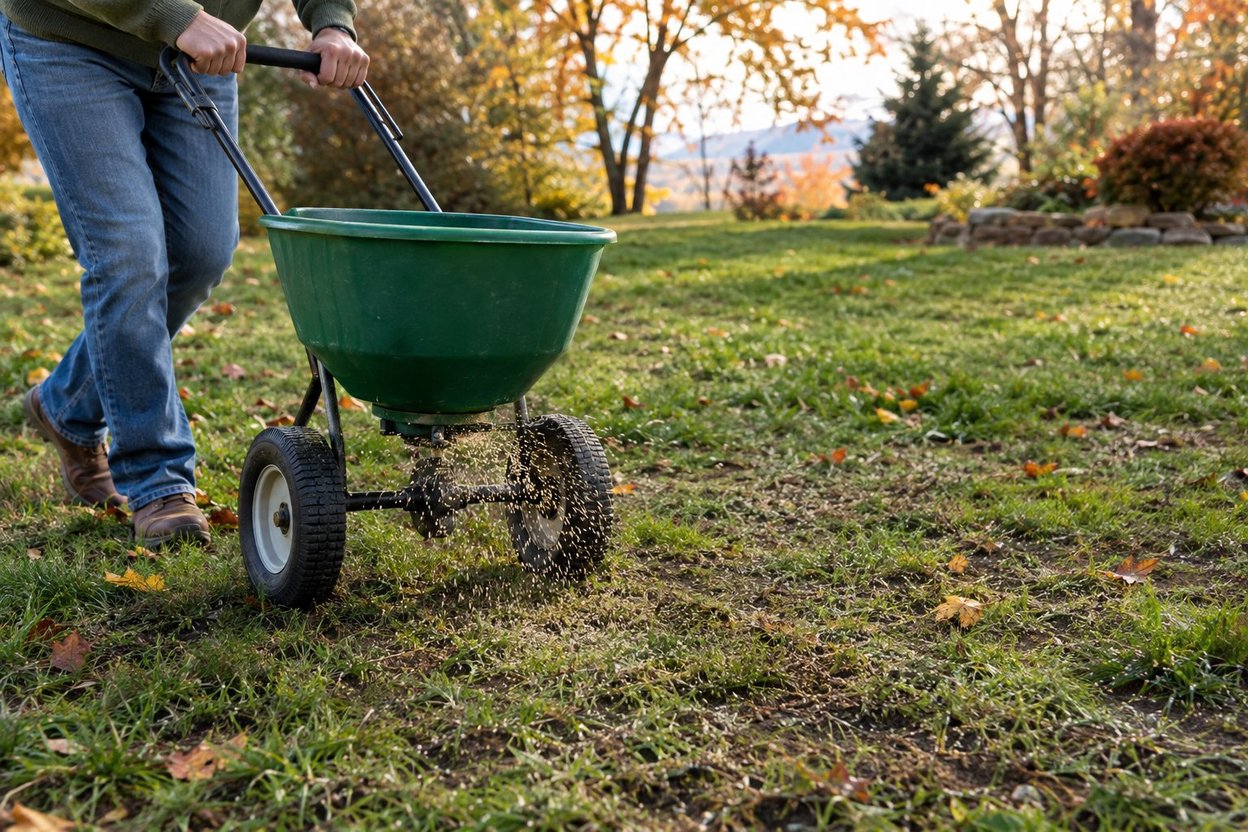
Overseeding is the single highest-ROI practice most homeowners can do. Done correctly in fall, it can transform a thin, weed-prone lawn into a dense, competitive turf in one season.
This article details the exact protocol I used on golf courses and have adapted for thousands of home lawns.
Target soil temperature 55-65°F. Across the northern half of cool-season country this is typically mid-August to mid-September (start earlier in Zones 3–4). Farther south, on the edge of cool-season country, you can go into early October.
Tell dark-green overlap stripes from yellow burn stripes, fix each one, and calibrate your spreader and walking pattern so they don't come back.
Most lawns need two or three feedings a year, plus crabgrass prevention only if needed. A golf course superintendent's yearly schedule.
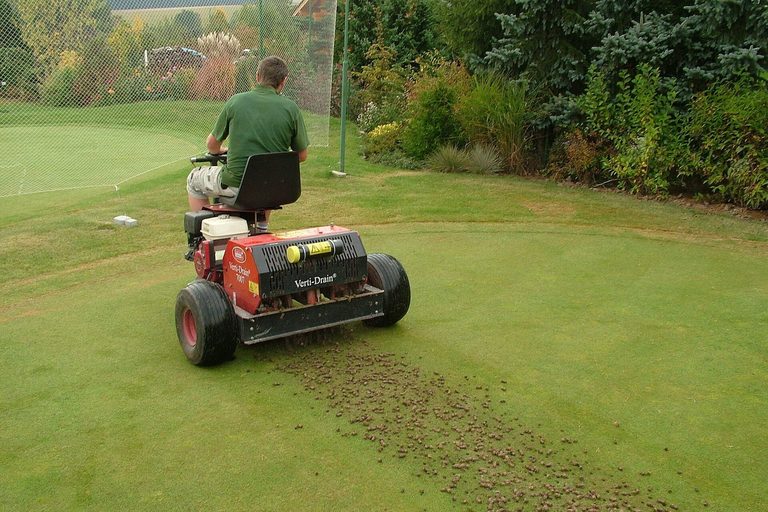
Skip the flyer: a screwdriver probe and thatch check show whether your lawn needs aeration, plus soil and traffic guidance on when to core aerate.