Trees & Shrubs
Salt-Tolerant Shrubs and Grasses for Curb Strips and Driveways
Which shrubs, ornamental grasses and lawn grasses actually survive road salt along curbs and driveways, which to avoid, and how to plant them.
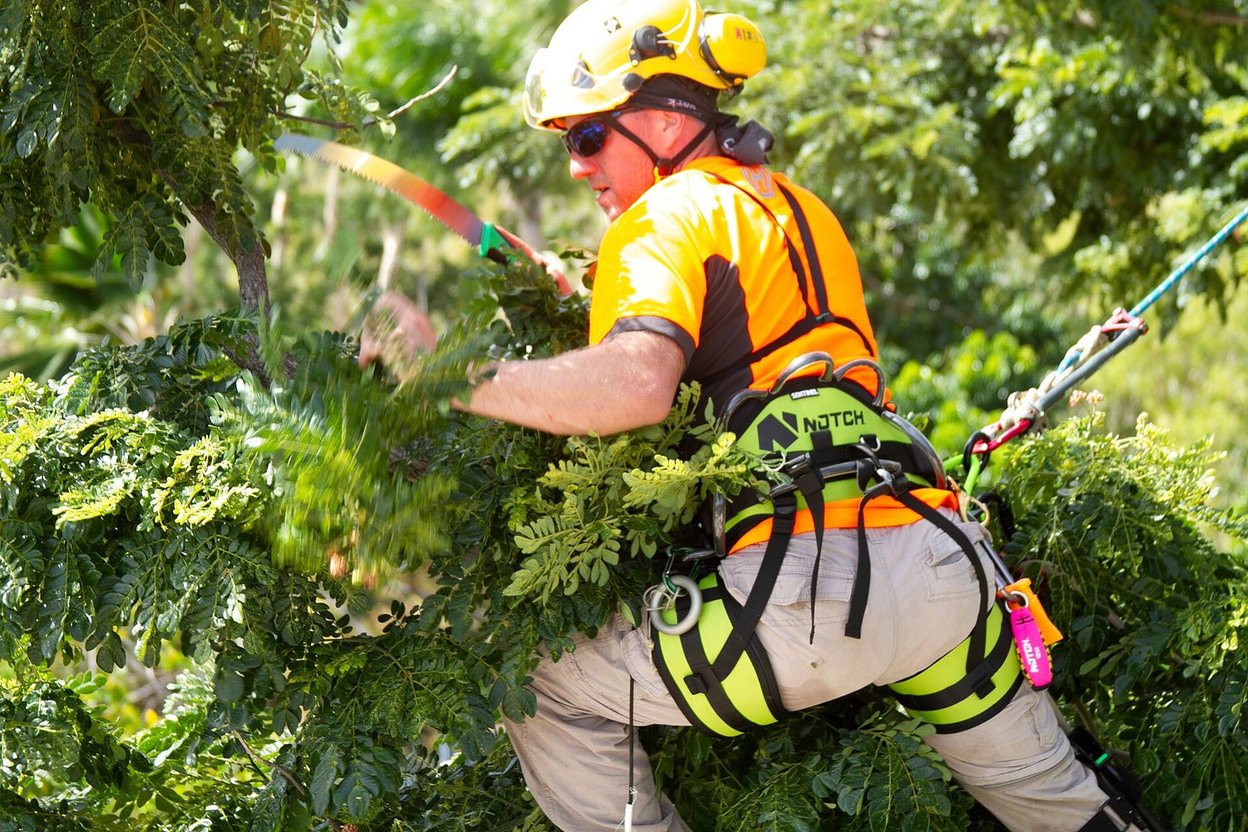
Fall feels like cleanup season, but most pruning is better left until late winter. What's safe to cut in fall, what to leave alone, and the shrubs you'll ruin if you cut them now.
Jack · golf course superintendent·4 min read·October 3, 2026
Fall is cleanup season. The leaves are down, the yard looks ragged, and it feels like the right time to get the pruners out. For most trees and shrubs it isn't. On the golf course, our big pruning push was in late winter, not fall, and there's a good reason.
For most deciduous trees and summer-flowering shrubs, the best time to prune is late winter to early spring, while they're still dormant but just before growth starts. Across most of the northern US, that's February into March.
Why it works:
These bloom on wood that grew last summer. If you prune them in fall, you cut off the flower buds:
Prune these right after they finish blooming in spring.
In areas where oak wilt is present, many extension services advise against pruning oaks from spring into summer, when the beetles that spread the disease are active. Late fall and winter is actually the safer window for oaks. Check your state's guidance.
These "bleed" sap if you prune them in late winter. It doesn't hurt the tree, but some people prefer to prune them in early summer after the leaves are out.
Light shaping of yews and arborvitae is best done in spring or early summer, not fall.
Anything you'd need a ladder or a chainsaw above your shoulders for, or anything near power lines, is a job for a certified arborist. Look for ISA certification.
Instead of pruning, spend fall time on:
Put the pruners away until late winter, and your trees and shrubs will come back stronger.
Photo: Tree Pruning by TreeMinion15, CC BY-SA 4.0.
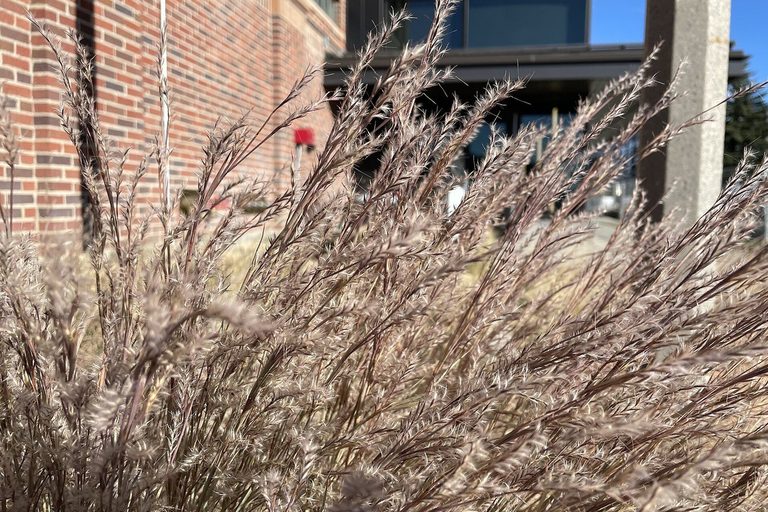
Which shrubs, ornamental grasses and lawn grasses actually survive road salt along curbs and driveways, which to avoid, and how to plant them.
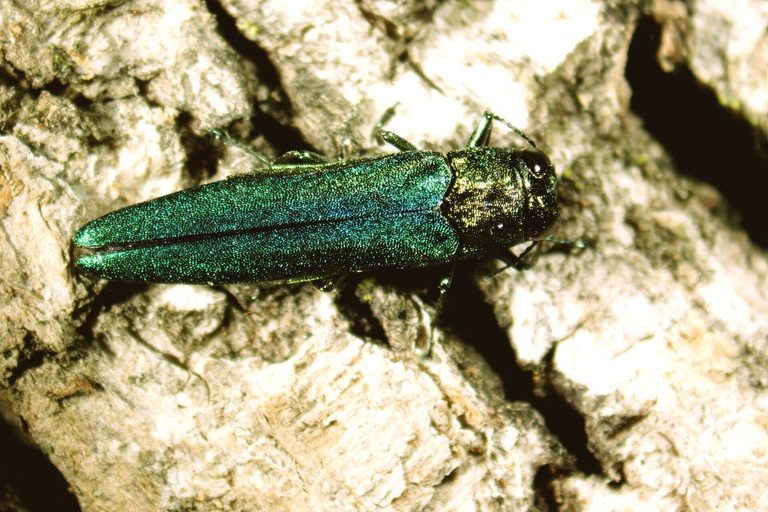
How to decide whether to treat or remove your ash tree for emerald ash borer: the canopy rule, size limits, timing, and what each choice costs.
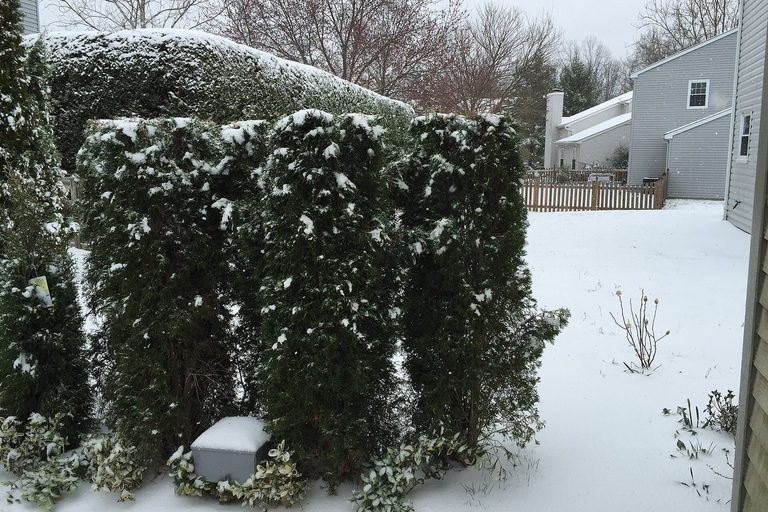
Heavy wet snow splits arborvitae and flattens yews. How to tie them up before winter, how to clear snow safely, why you should never whack an iced branch, and how to fix…