Weeds & Pests
Dog Spots or Lawn Fungus? How to Tell the Difference
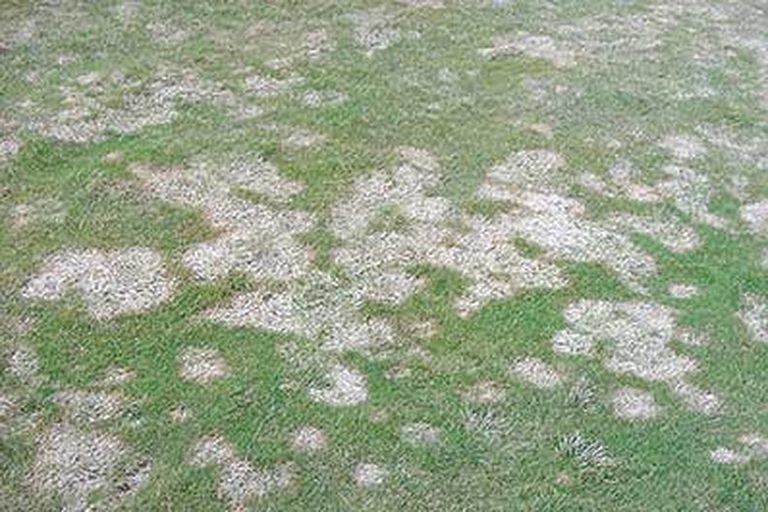
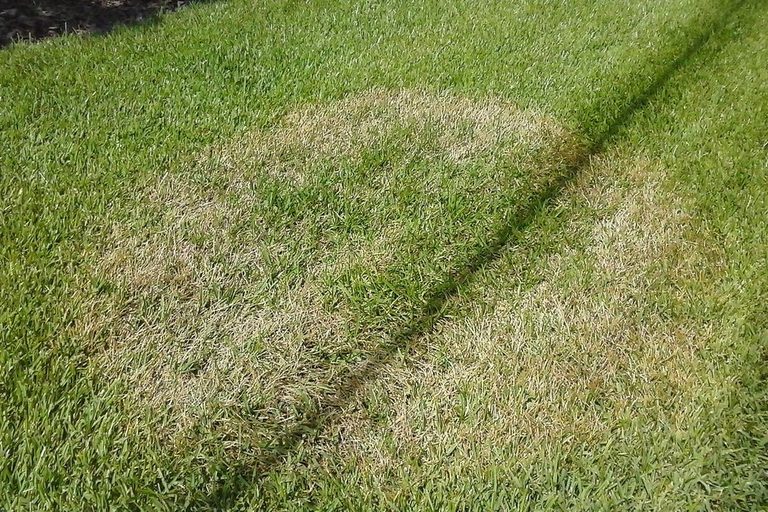
Round brown patches can be dog urine or disease. The ring test, the tug test and the timing that tell you which, and how to fix each one.
Jack · golf course superintendent·2 min read·August 22, 2026
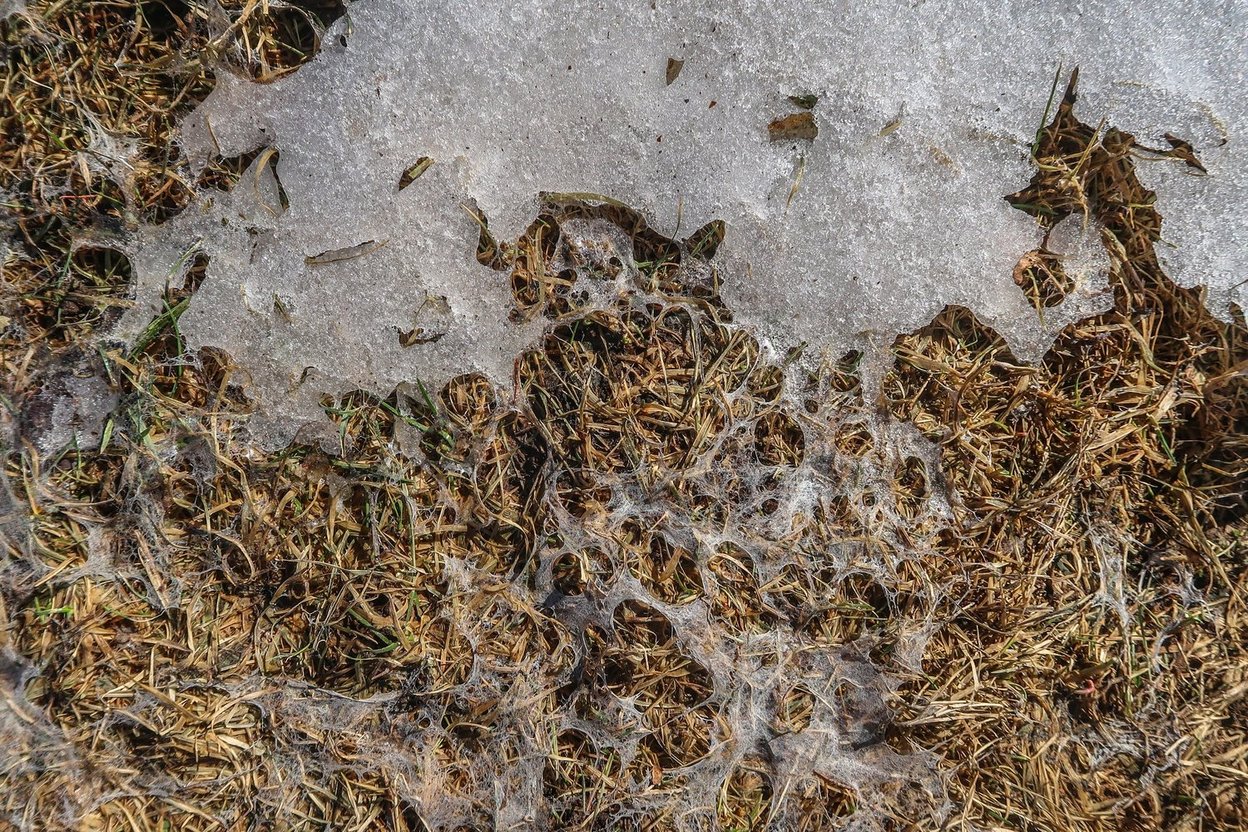
Every spring I get calls about mysterious dead patches that appear the moment the snow melts. Across most of the cool-season belt, pink snow mold (Microdochium nivale) is the common one. Gray snow mold needs long-lasting snow cover, so it shows up mostly in the snowiest areas, and it can be more damaging.
When the snow melts and you see the classic tan or pinkish patches:
Photo: Snow mold and snow on turf by Maasaak, BY-SA 4.0.
Round brown patches can be dog urine or disease. The ring test, the tug test and the timing that tell you which, and how to fix each one.
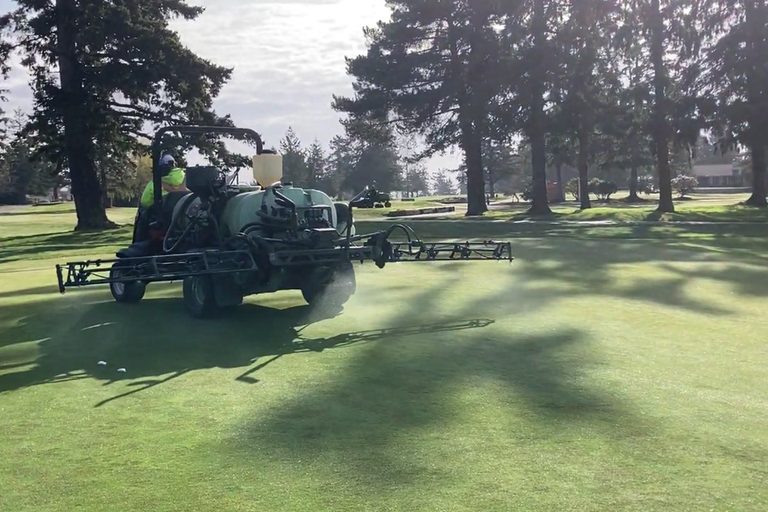
Golf courses spray fungicide on greens. Most home lawns don't need it. When a fungicide makes sense, when it's a waste of money, and what fixes the problem instead.
Two different fungi, two different winters. How to tell gray from pink snow mold, why pink can show up with no snow at all, and what each means for your lawn.