Fall & Winter
Snow mold on Minnesota lawns last spring: what to change this fall
Snow mold hit many Minnesota lawns last spring. Learn the fall changes that reduce it: final mowing height, leaf handling, and fertilizer timing.
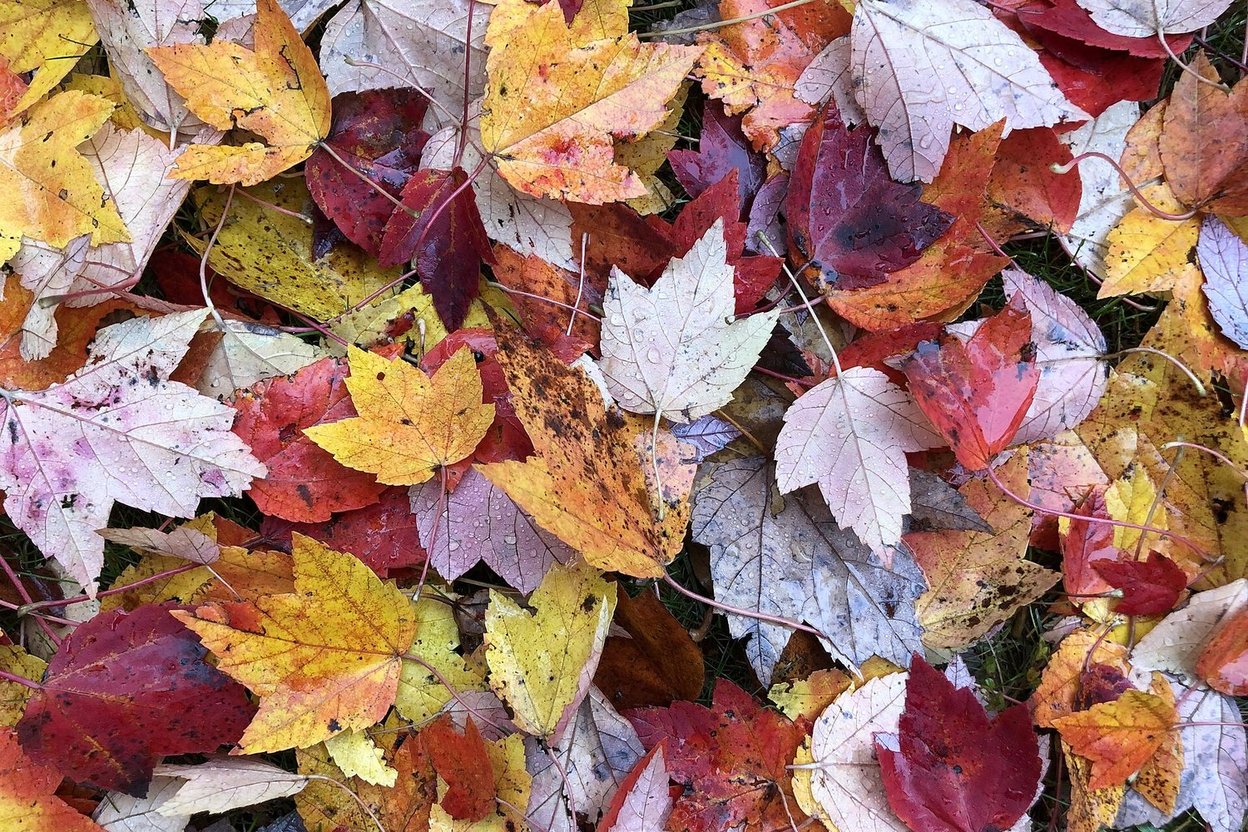
Mowing fallen leaves back into the lawn feeds the soil, saves hours of raking, and university research even linked maple leaf mulch to fewer dandelions. How to do it right and when to bag instead.
Jack · golf course superintendent·4 min read·October 1, 2026
Every fall millions of homeowners spend weekends raking leaves into bags and dragging them to the curb. On a golf course, we'd never have had the time or the crew to rake every fairway. We mowed them. And for most home lawns, mowing them is the better answer too.
A mulching mower, or any rotary mower run over the leaves a couple of times, shreds them into pieces about the size of a dime. Those pieces fall down between the grass blades, out of sight, where worms and soil microbes break them down over the winter. You're returning organic matter to the soil instead of hauling it away.
There's real research behind it. In the 1990s, Michigan State University turf researchers mulched oak and maple leaves into Kentucky bluegrass plots for several years and compared them to plots with no leaves. The mulched turf did fine, and the plots that got maple leaves had noticeably fewer dandelions the next spring. It isn't a weed program by itself, but it's a nice bonus for doing less work.
A mulching blade helps but isn't required. A sharp standard blade with the side-discharge chute closed or a mulching plug installed does a good job too.
Mulching isn't the answer every time:
Shredded leaves make one of the best free mulches there is. Spread them 2 to 3 inches deep over perennial beds and around shrubs after the ground starts to cool. In a compost pile, mix shredded leaves with grass clippings or kitchen scraps and you'll have rich compost by spring. Shredding first speeds everything up.
For most lawns, the best leaf tool is the mower you already own. Mow the leaves dry, mow them often, and keep the grass at a healthy height. Save the rake for the beds, the corners and the years the big oak drops everything at once.
Michigan State University, Leaf mulching research (HortTechnology); Sports Turf Managers Association: Mulched maple and oak leaves associated with a reduction in common dandelion; Colorado State University Extension: Mow, compost and mulch leaves.
Photo: 2022-10-26 08 10 56 Fallen Red Maple leaves on a lawn in autumn along Aquetong L by Famartin, CC BY-SA 4.0.
Snow mold hit many Minnesota lawns last spring. Learn the fall changes that reduce it: final mowing height, leaf handling, and fertilizer timing.
Late October core aeration can work if the grass is still growing and the soil is moist and unfrozen. Here's how to check, and when to wait.
Move carved pumpkins off the turf within days to compost, a drop-off, or a garden bed so the grass doesn't die underneath. Local rules vary.