Fall & Winter
Snow mold on Minnesota lawns last spring: what to change this fall
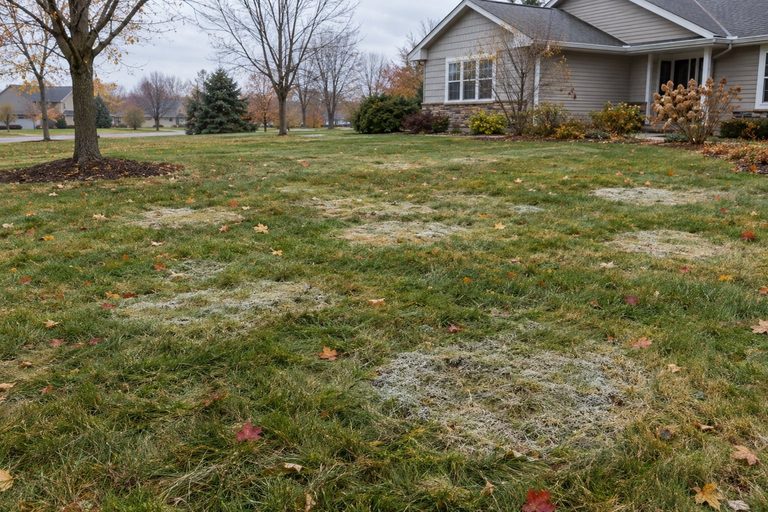
Snow mold hit many Minnesota lawns last spring. Learn the fall changes that reduce it: final mowing height, leaf handling, and fertilizer timing.
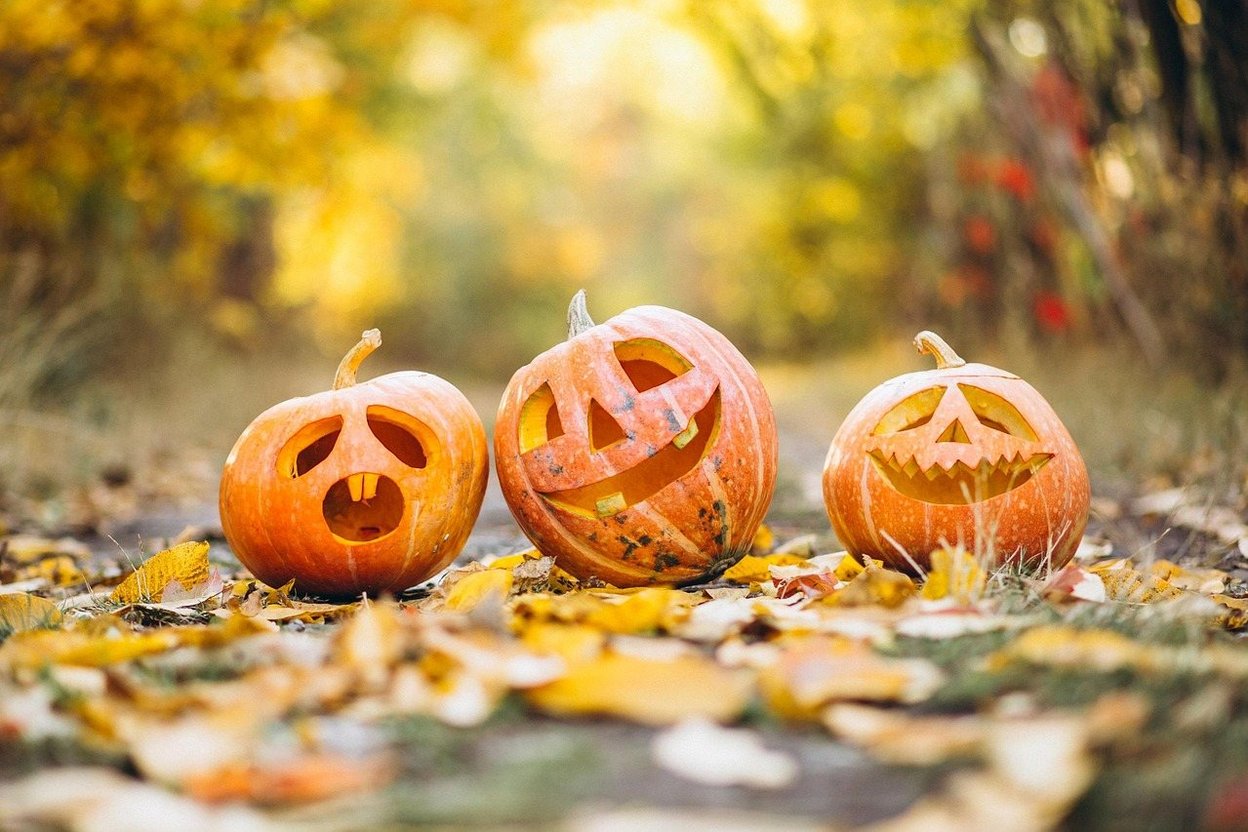
Move carved pumpkins off the turf within days to compost, a drop-off, or a garden bed so the grass doesn't die underneath. Local rules vary.
Jack · golf course superintendent·5 min read·October 10, 2026
Once Halloween passes, a slumping jack-o'-lantern can leave a wet, dark patch on your lawn. Pull off the candle and decorations, then move the pumpkin within a few days to a compost cart, seasonal drop-off, backyard compost pile, or garden bed.
Pumpkins are about 90% water, so a carved one breaks down quickly. Getting it off the turf keeps the grass from sitting under a heavy, wet cover as winter approaches.
Remove the candle and decorations, then send the pumpkin to a local compost or organics program, a seasonal drop-off, your compost pile, or a garden bed. Check your town’s rules first, since collection programs differ on what they accept.
Pumpkins are about 90% water and break down fast once carved. For a backyard pile, chop or smash the pumpkin into chunks, mix them with dry browns such as shredded leaves, and turn the pile. If you have no compost pile, bury the chunks in a flower or vegetable bed and cover them with soil and mulch.
Trashing a pumpkin sends organic matter to a landfill, where it breaks down without oxygen and produces methane. Composting lets it break down with oxygen. If your town offers an organics cart, use it according to local instructions.
From a superintendent’s perspective, the immediate lawn rule is straightforward: never leave anything heavy and wet sitting on turf going into winter. Move the pumpkin as soon as you can, especially if it has started to collapse.
A pumpkin can leave dead turf because the grass beneath it loses light and air under a heavy, wet cover. Without light, grass cannot feed itself and dies once its stored reserves run out.
Moisture trapped against the crown and roots also encourages rot. As the pumpkin collapses, it forms a slimy mat that blocks air exchange. Matted debris going into winter raises the risk of snow mold, too. The same smothering effect occurs under wet leaves; University of Nebraska–Lincoln Extension explains how leaves can damage turf.
For next year, place pumpkins on the porch, a paver, or a mulch bed. Those spots keep the display off the grass and make cleanup easier when the pumpkin starts to soften.
Start with your curbside compost or organics cart if your town accepts pumpkins. Remove decorations and follow local rules about painted pumpkins or other restrictions.
Free seasonal drop-offs and pumpkin smash events are another low-cost option. They keep pumpkins out of the trash and may be available for a limited period after Halloween, so check dates before you load up.
For backyard composting, chop or smash the pumpkin into chunks, mix it with dry browns such as shredded leaves, then turn the pile. If you do not keep a compost pile, bury the chunks in a garden bed under mulch.
Keep pumpkins out of woods, ditches, fields, and nature preserves. Illinois Extension says dumping them in those places counts as littering under Illinois law and can smother native plants. Its advice on dealing with pumpkins after Halloween explains why natural areas are not disposal sites.
Your city or county sets the practical rules, so check its waste or recycling page before choosing a disposal route. In 2026, programs differ on dates, collection methods, and whether painted pumpkins are accepted.
Cuyahoga County, Ohio, has nine drop-off bins open October 30 through November 10. The county says not to bring painted or bleached pumpkins and not to put pumpkins in yard-waste collection.
Hennepin Recycling Group in Minnesota offers a drop-off in New Hope from November 1 through 9, and residents can also use an organics cart. In Illinois, SCARCE and Extension host pumpkin smash events, many scheduled for Saturday, November 7. Check the event page for local details, including Elgin’s 2026 Pumpkin Smash and Illinois Extension’s pumpkin smash listings.
Portland, Oregon, accepts pumpkins in its curbside compost cart. Painted pumpkins go in the trash under the city’s guidance; see Portland’s 2026 pumpkin and leaf composting information. Paint rules conflict across communities: Elgin accepts acrylic paint, so check your own city or county instructions.
Wildlife agencies in several states advise you to keep pumpkins away from deer and other wildlife. Colorado says feeding deer, elk, bears, and other big game is illegal, with a $100 fine.
Wyoming Game and Fish says deer cannot digest pumpkins well and that pumpkins can attract raccoons and bears. Illinois DNR says feeding pumpkins to wildlife spreads disease, and feeding deer is illegal in Illinois.
Some local guidance says pumpkins are acceptable for birds. Rules and advice vary by state, so check your state wildlife agency’s guidance before leaving food outdoors.
Rake the mush and debris off the lawn, then plan to reseed the bare spot. You can use dormant seeding once soil temperatures drop below 40°F, which often happens in November in the North.
At that temperature, seed stays in place until spring. If the window has passed, seed the patch in spring.
Photo by gadgemayur on Pixabay.
Snow mold hit many Minnesota lawns last spring. Learn the fall changes that reduce it: final mowing height, leaf handling, and fertilizer timing.
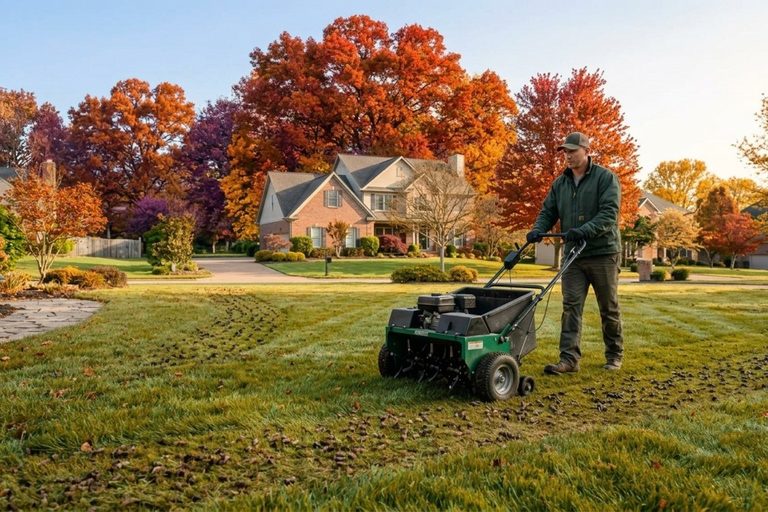
Late October core aeration can work if the grass is still growing and the soil is moist and unfrozen. Here's how to check, and when to wait.
Frost doesn't end mowing season. Learn when to mow after a frost and how to protect your lawn until growth stops for the season.