Lawn
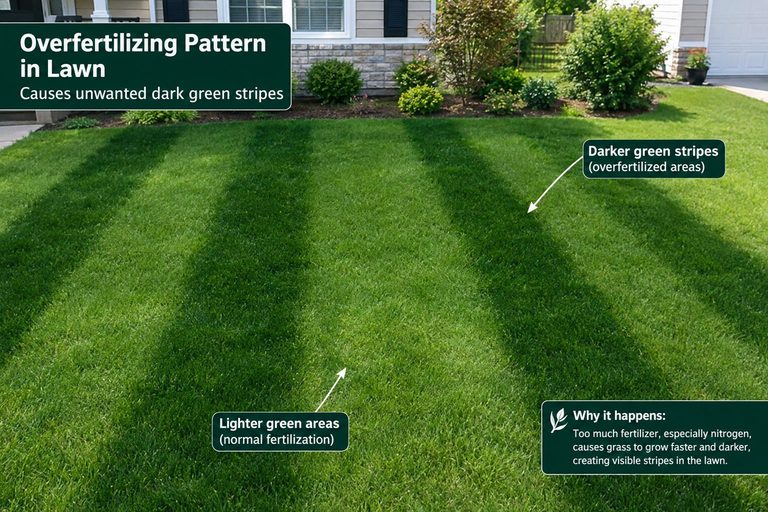
How to Fix Fertilizer Stripes in Your Lawn (and Never Get Them Again)
Tell dark-green overlap stripes from yellow burn stripes, fix each one, and calibrate your spreader and walking pattern so they don't come back.
Jack · golf course superintendent·2 min read·August 22, 2026
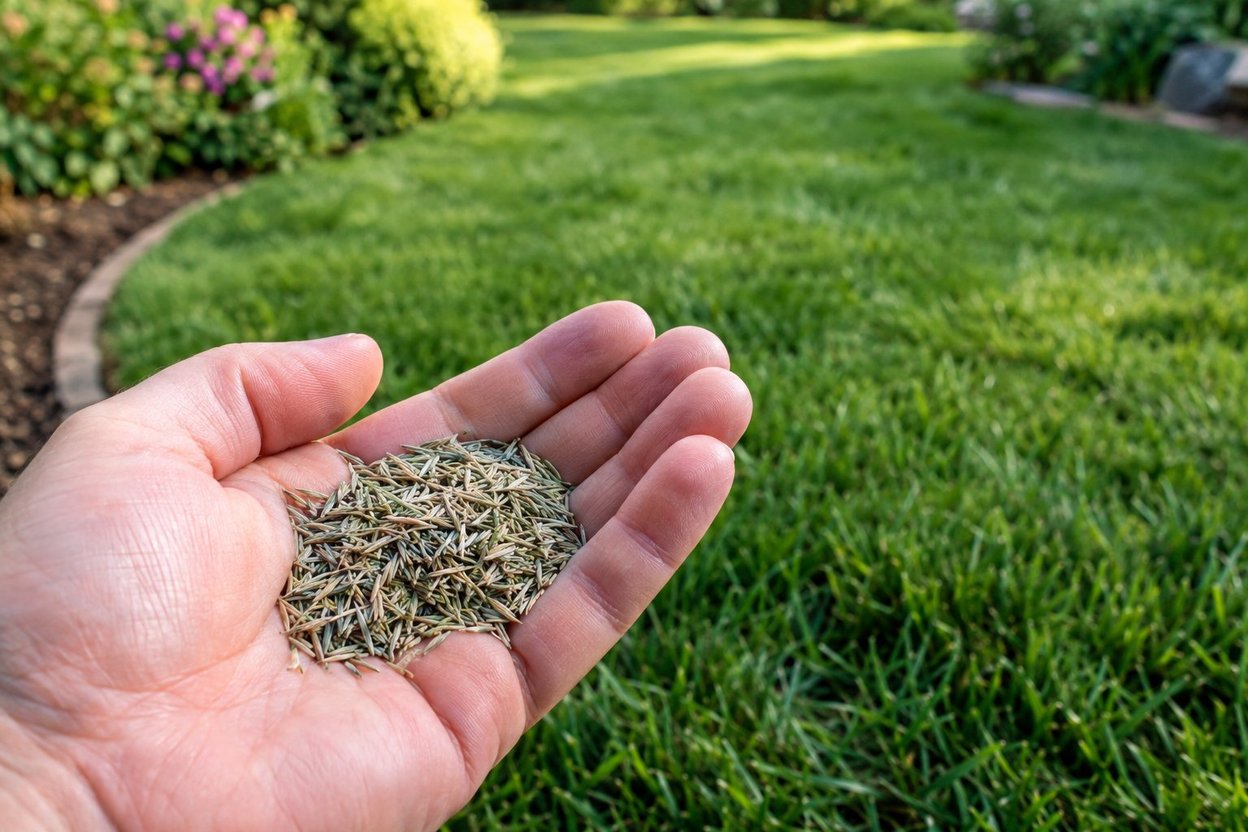
Choosing the right grass is the single most important decision you’ll make for your lawn. Across the northern US, cool-season grasses are the right choice, but they don’t all perform equally. Soil type, sun exposure, foot traffic, and your tolerance for maintenance all play critical roles.
Before buying any seed, spend time evaluating your yard. Walk it at different times of day. Note:
| Blend Type | Best For | Key Varieties | Maintenance Level |
|---|---|---|---|
| Premium Kentucky Bluegrass Blend | High-visibility front yards, golf-like appearance | Midnight, Award, Blue Note | High |
| Tall Fescue Dominant Mix | Most northern homes — durable, drought tolerant | Faith, Mustang, Falcon IV | Medium |
| Shade Master (Fine Fescue + KBG) | Heavily treed lots, north-facing slopes | Creeping red, chewings, hard fescue + KBG | Low-Medium |
| High-Traffic Sports Mix | Families with active kids/pets | Perennial ryegrass + Tall fescue | Medium-High |
Best windows: August 15 – September 20 (ideal) or April 1 – May 15 (secondary); start earlier up north and later on the southern edge. Soil temps should be 50-65°F at 2″ depth for optimal germination.
Full step-by-step establishment protocol, including starter fertilizer rates, first mow timing, and irrigation schedules, is covered in the companion video and downloadable checklist.
Tell dark-green overlap stripes from yellow burn stripes, fix each one, and calibrate your spreader and walking pattern so they don't come back.
Most lawns need two or three feedings a year, plus crabgrass prevention only if needed. A golf course superintendent's yearly schedule.
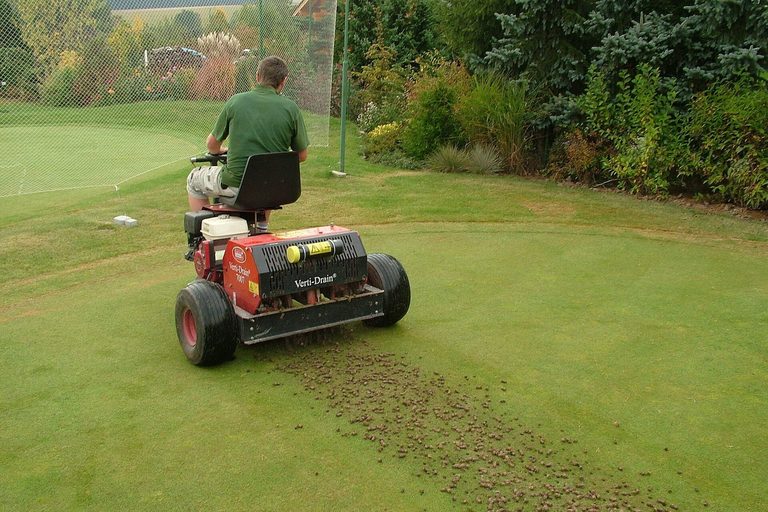
Skip the flyer: a screwdriver probe and thatch check show whether your lawn needs aeration, plus soil and traffic guidance on when to core aerate.