Fall & Winter
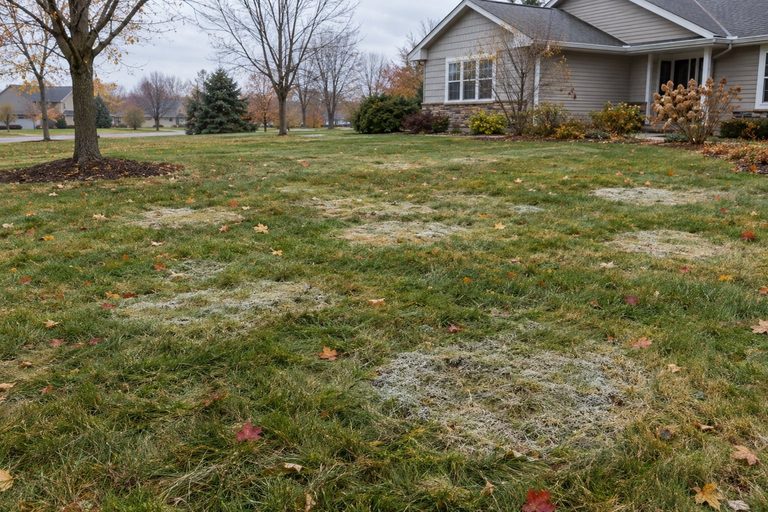
Snow mold on Minnesota lawns last spring: what to change this fall
Snow mold hit many Minnesota lawns last spring. Learn the fall changes that reduce it: final mowing height, leaf handling, and fertilizer timing.
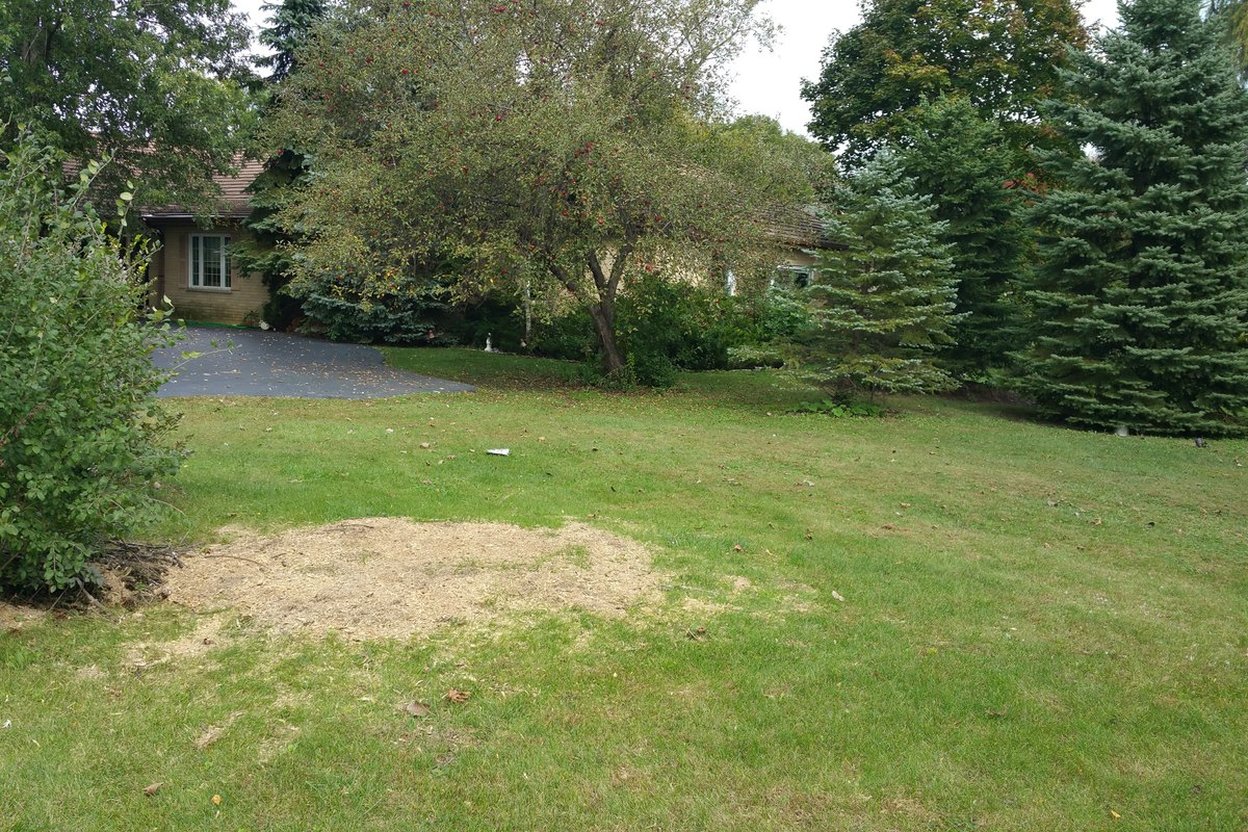
Grass seed doesn't read the calendar. How to measure soil temperature, the numbers that matter for cool-season grass, and how to use them for fall seeding and dormant seeding.
Jack · golf course superintendent·3 min read·October 5, 2026
A bag of grass seed will tell you to plant "in early fall." That's a decent guess. But seed doesn't respond to the date. It responds to the temperature of the soil it's lying in.
Buy a cheap soil thermometer (a probe type from the garden center works fine). Push it 2 inches deep, which is where seed and young roots live. Read it in the middle of the afternoon, for a few days in a row, and average the readings. One cold morning doesn't tell you much.
No thermometer? Many state extension services and weather networks publish soil temperature maps. They're a good start, but your yard can be different, especially in shade or on a north slope.
If your soil is still in the 50s, a quick-sprouting seed has a chance on small patches. If it's in the 40s and falling, put the seed away until dormant seeding time or next August.
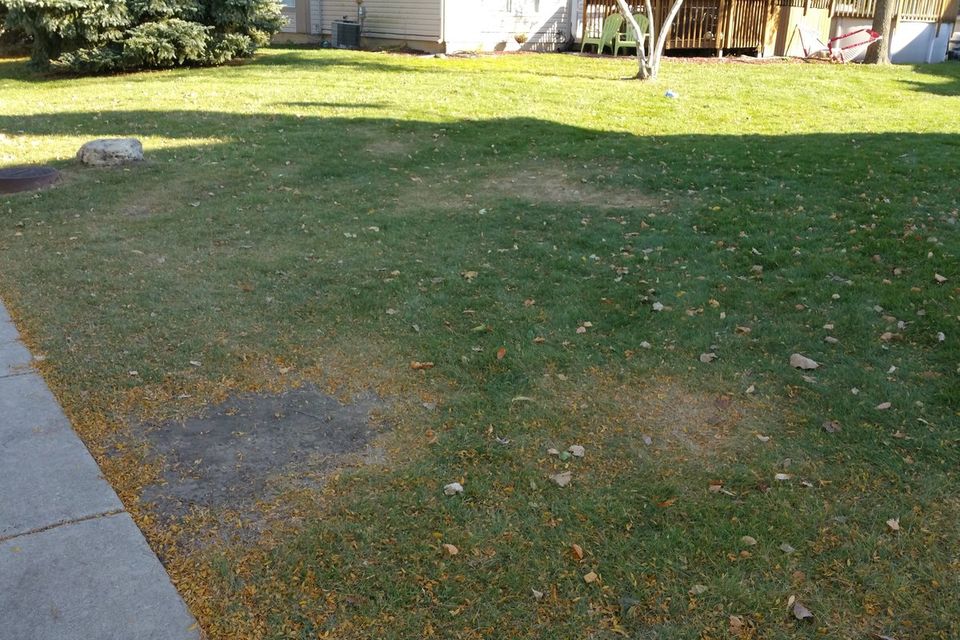
Dormant seeding works because the seed lies in cold soil all winter and sprouts when the soil warms in spring. Do it too early, while the soil is still warm, and some seed sprouts, then gets killed by the cold. Wait until the soil is 40°F or lower, after the grass has stopped growing but before the ground freezes. See dormant seeding in November.
In spring, the soil warms slower than the air. A warm week in April doesn't mean the soil is ready. The same thermometer tells you when it's time.
On a golf course, soil temperature drives everything: seeding, fertilizer timing, pre-emergent. It's the cheapest tool in the shop, and one of the most useful.
Snow mold hit many Minnesota lawns last spring. Learn the fall changes that reduce it: final mowing height, leaf handling, and fertilizer timing.
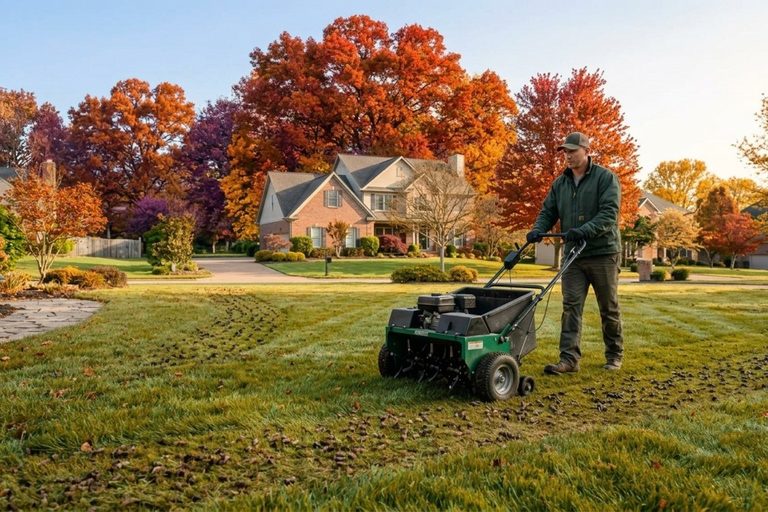
Late October core aeration can work if the grass is still growing and the soil is moist and unfrozen. Here's how to check, and when to wait.
Move carved pumpkins off the turf within days to compost, a drop-off, or a garden bed so the grass doesn't die underneath. Local rules vary.