Mowers & Equipment
Are Robot Mowers Good Enough Yet? A Golf Course Superintendent Judges the Cut
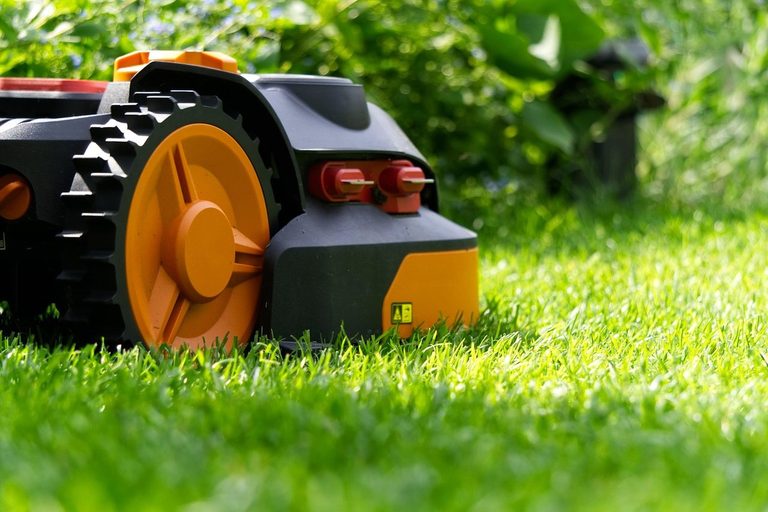
A golf course superintendent's verdict on robot mowers: why the cut beats rotary mowers, where they fall short, costs, and who should buy one.
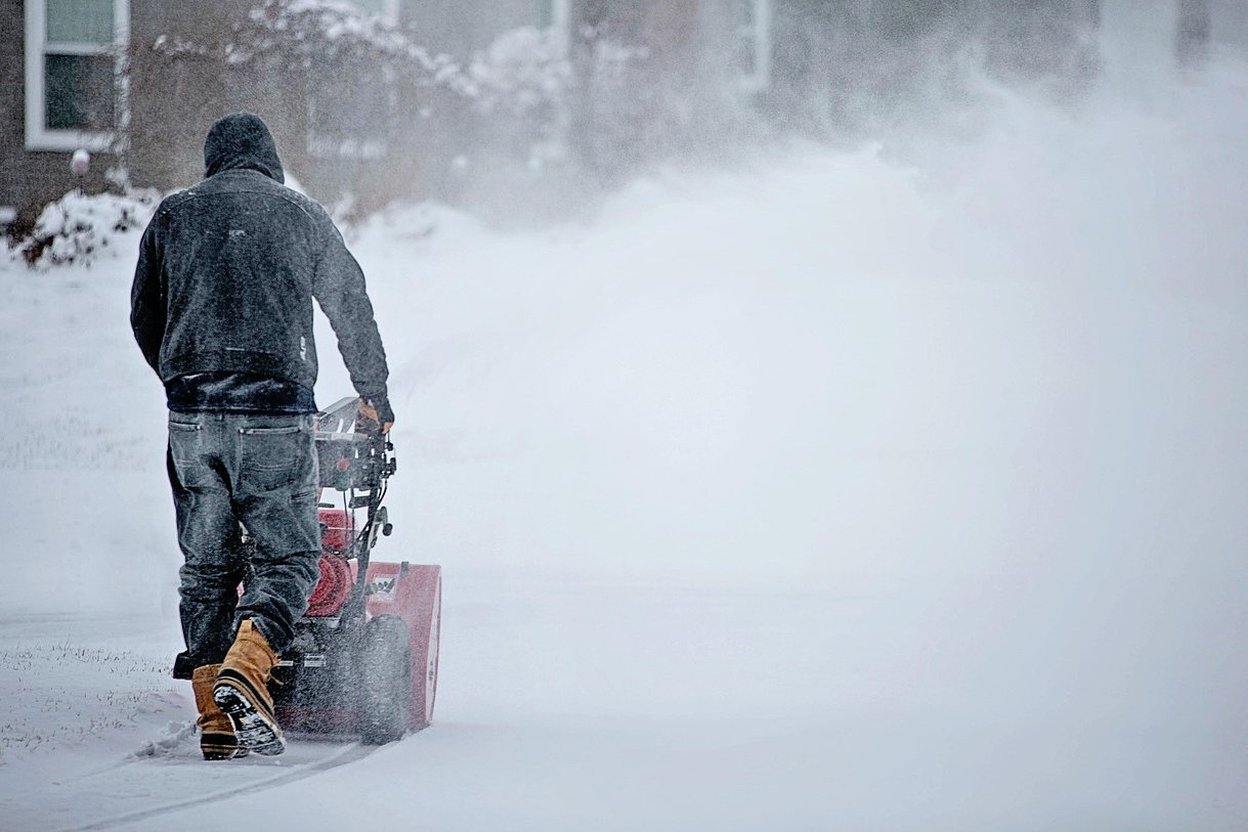
The first big snow is the wrong time to find out the snowblower won't start. A fall checklist: fuel, oil, spark plug, shear pins, belts, auger and tires, the way a grounds crew preps winter equipment.
Jack · golf course superintendent·3 min read·October 4, 2026
Every fall on the golf course, while the mowers went into storage, the snow equipment came out for its check. The goal was simple: when the first big snow hits at 4 a.m., everything starts. At home, the same idea saves you from pulling the cord fifty times in a blizzard.
If you left gas in the snowblower all summer, it has probably gone stale.
Change the oil if you didn't in spring. Use the oil type in your manual; many snowblower engines call for a winter-weight oil.
Pull it, inspect it, and replace it if it's fouled, worn or cracked. They're cheap. Check the gap against the manual.
Start it in fall, before you need it. Let it run for several minutes. Electric start models: test the electric start too.
Shear pins are designed to break if the auger hits something solid, like a newspaper or a chunk of ice, protecting the gearbox.
Look at the drive and auger belts for cracks, fraying or glazing. Replace worn belts now, not in a storm.
Check tire pressure on two-stage machines. Look for cracks.
If you haven't put the mower away yet, do it now. Same engine basics: fuel, oil, plug. See mower winter storage.
A little time on a sunny fall Saturday saves you from fighting a machine at dawn in a snowstorm.
Photo by JillWellington on Pixabay.
A golf course superintendent's verdict on robot mowers: why the cut beats rotary mowers, where they fall short, costs, and who should buy one.
A small lawn under 5,000 square feet needs a basic mower, not a $6,000 one. Learn the cut height, blade, and upkeep that actually matter.
Battery or gas mower in snow country: how cold affects each one, the right fall mowing height, and how to store each over winter.