Weeds & Pests
Dog Spots or Lawn Fungus? How to Tell the Difference
Round brown patches can be dog urine or disease. The ring test, the tug test and the timing that tell you which, and how to fix each one.
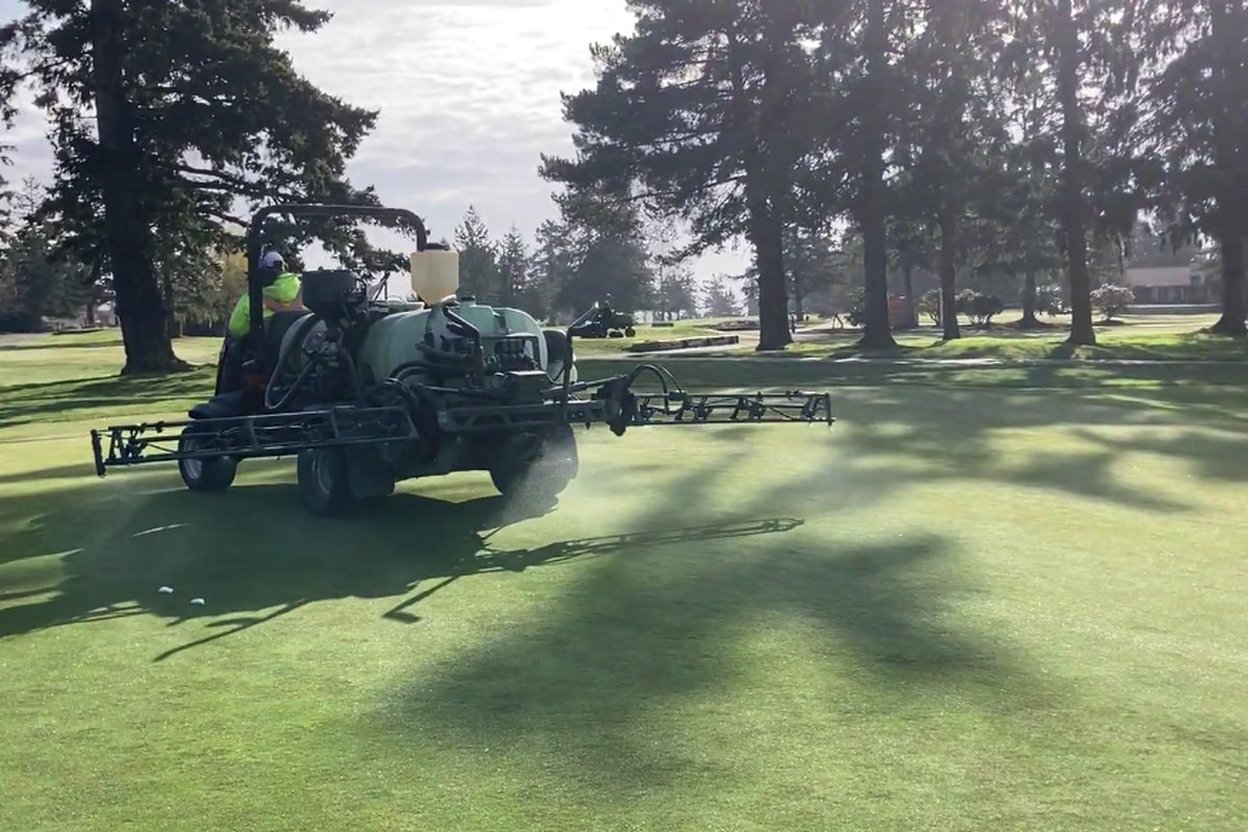
Golf courses spray fungicide on greens. Most home lawns don't need it. When a fungicide makes sense, when it's a waste of money, and what fixes the problem instead.
Jack · golf course superintendent·3 min read·October 5, 2026
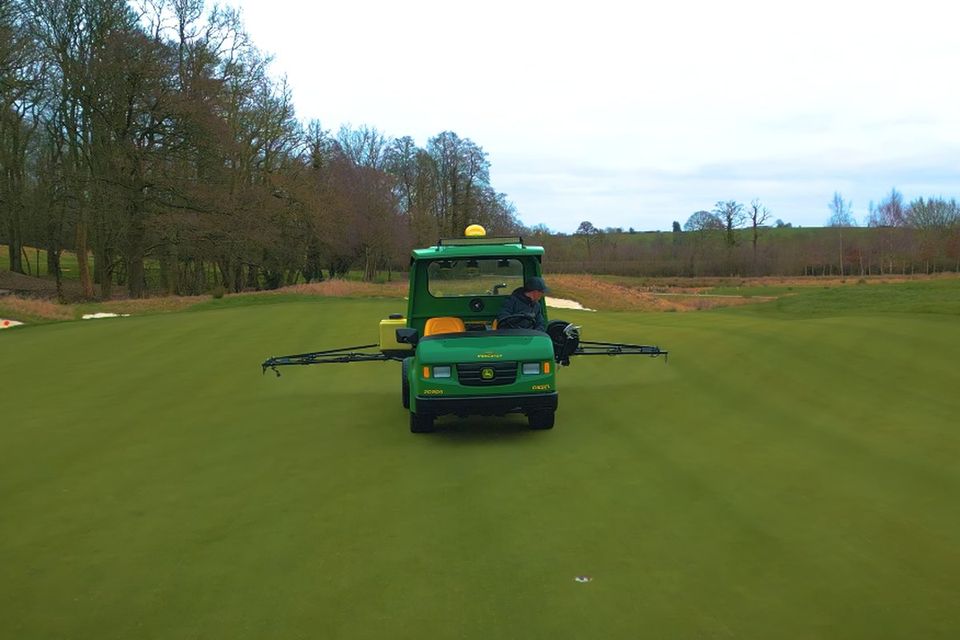
I've spent plenty of money on fungicide, on golf greens cut to an eighth of an inch. A home lawn is a different animal, and most of the time a fungicide is the wrong fix.
Greens are mowed incredibly short, watered often, fertilized heavily, and walked on by hundreds of people a day. A disease patch on a green costs the course money right away. That's a stressed, high-value surface, and preventive fungicide makes sense there.
Home lawns are mowed at 3 inches or more, watered less, and nobody's charging green fees. Most lawn diseases on home lawns:
By the time you notice the disease and buy a product, the weather that caused it has often moved on.
Most lawn diseases come from conditions you can change:
If you use one, read the label, use the right product for the disease you have, and time it right. Snow mold products, for example, go down in late fall, before snow, not in spring after you see damage.
University turf programs generally say the same thing: most home lawns recover from snow mold on their own in spring. Rake and wait before you spend money. See gray vs. pink snow mold.
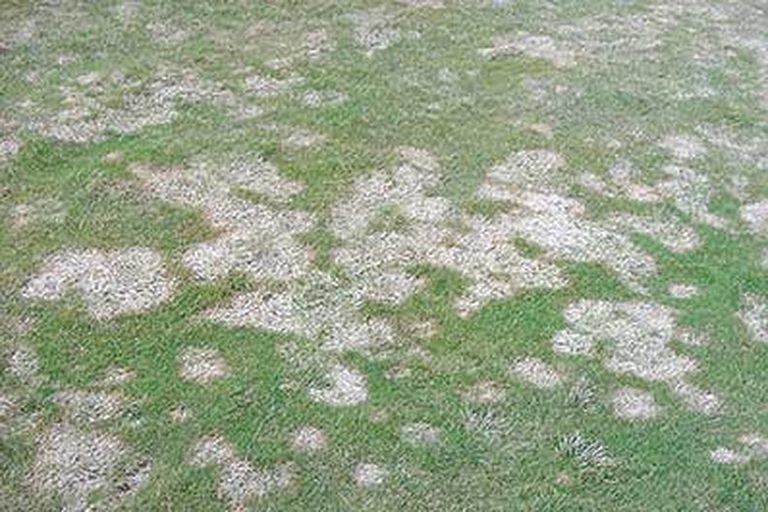
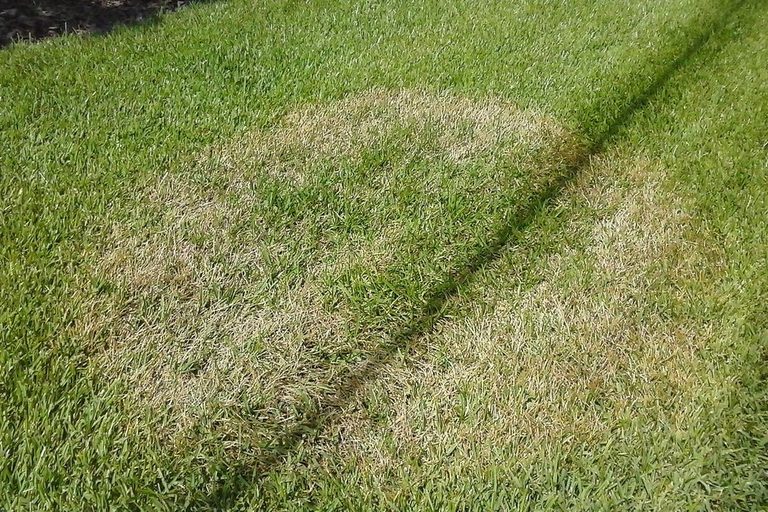
Round brown patches can be dog urine or disease. The ring test, the tug test and the timing that tell you which, and how to fix each one.
Two different fungi, two different winters. How to tell gray from pink snow mold, why pink can show up with no snow at all, and what each means for your lawn.
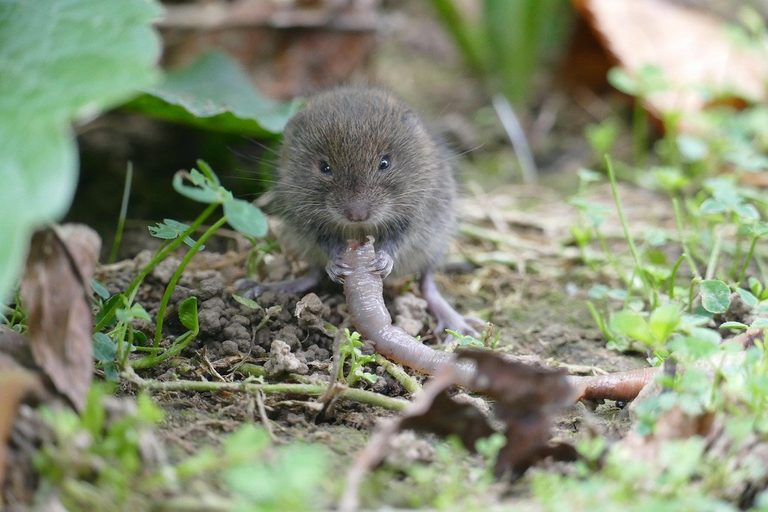
When the snow melts, some lawns are covered in winding dead trails. That's voles. Why they do it, how to cut down the damage this fall, and how to fix the trails…