Weeds & Pests
Fungicide on a Home Lawn Is Usually the Wrong Fix
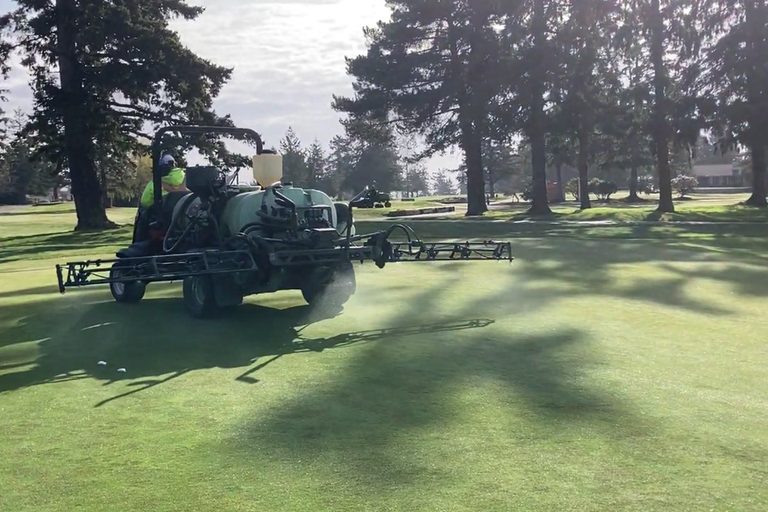
Golf courses spray fungicide on greens. Most home lawns don't need it. When a fungicide makes sense, when it's a waste of money, and what fixes the problem instead.
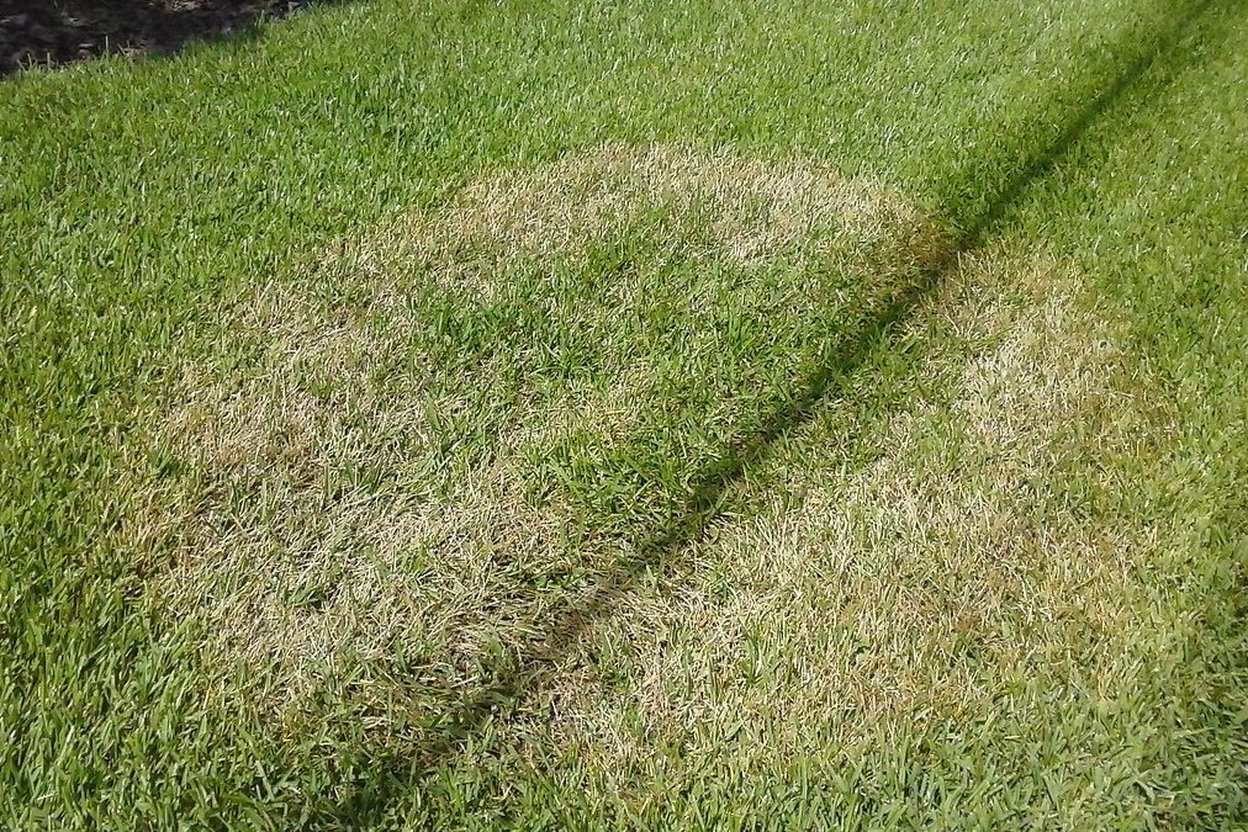
Round brown patches can be dog urine or disease. The ring test, the tug test and the timing that tell you which, and how to fix each one.
Jack · golf course superintendent·3 min read·October 5, 2026
Round brown spots in the lawn. Is it the dog, or is it a disease? People spray fungicide on dog spots and blame the dog for fungus all the time. A couple of quick checks will tell you which one you've got.
Look at the edge of the spot.
Grab some brown grass in the middle and pull gently.
Usually the fix is the conditions, not a spray. See fungicide on a home lawn is usually the wrong fix.
When in doubt, your state's extension plant diagnostic lab can look at a sample for a small fee.
Photo: Prob. brown patch of Centipedegrass (Eremochloa ophiuroides) caused by Rhizocton by Plant pests and diseases, CC0.
Golf courses spray fungicide on greens. Most home lawns don't need it. When a fungicide makes sense, when it's a waste of money, and what fixes the problem instead.
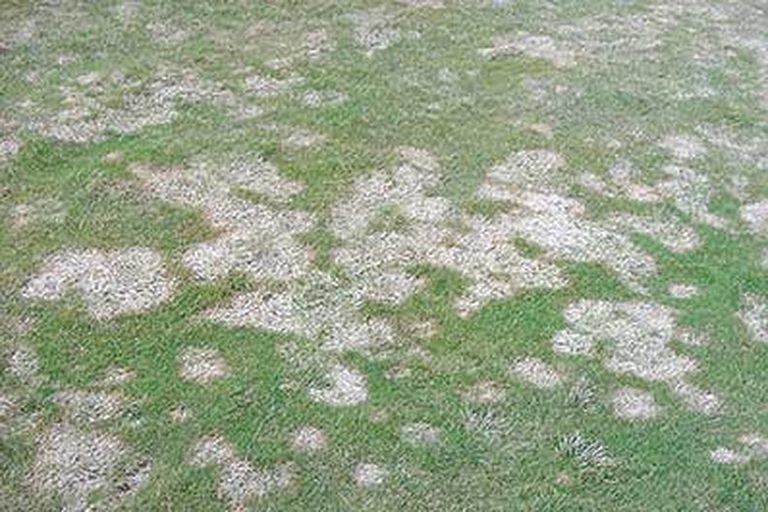
Two different fungi, two different winters. How to tell gray from pink snow mold, why pink can show up with no snow at all, and what each means for your lawn.
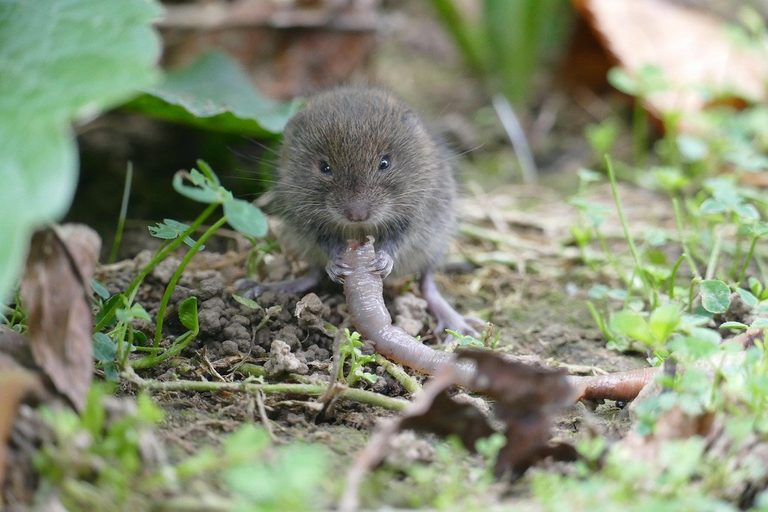
When the snow melts, some lawns are covered in winding dead trails. That's voles. Why they do it, how to cut down the damage this fall, and how to fix the trails…