Weeds & Pests
Dog Spots or Lawn Fungus? How to Tell the Difference
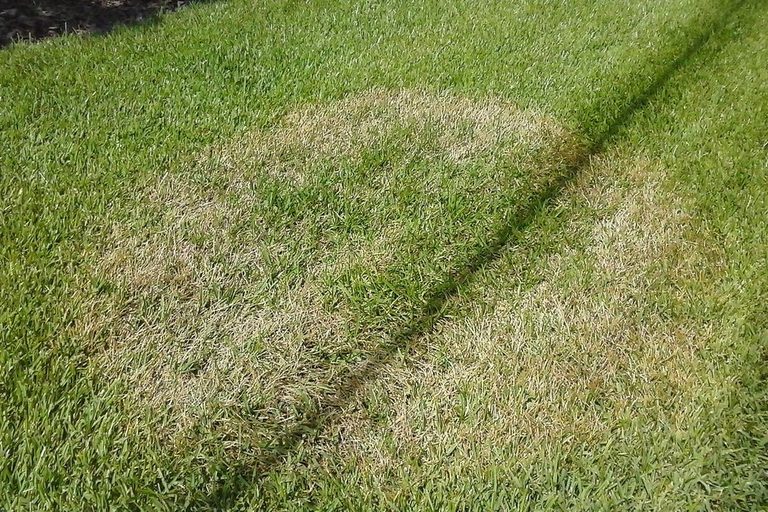
Round brown patches can be dog urine or disease. The ring test, the tug test and the timing that tell you which, and how to fix each one.
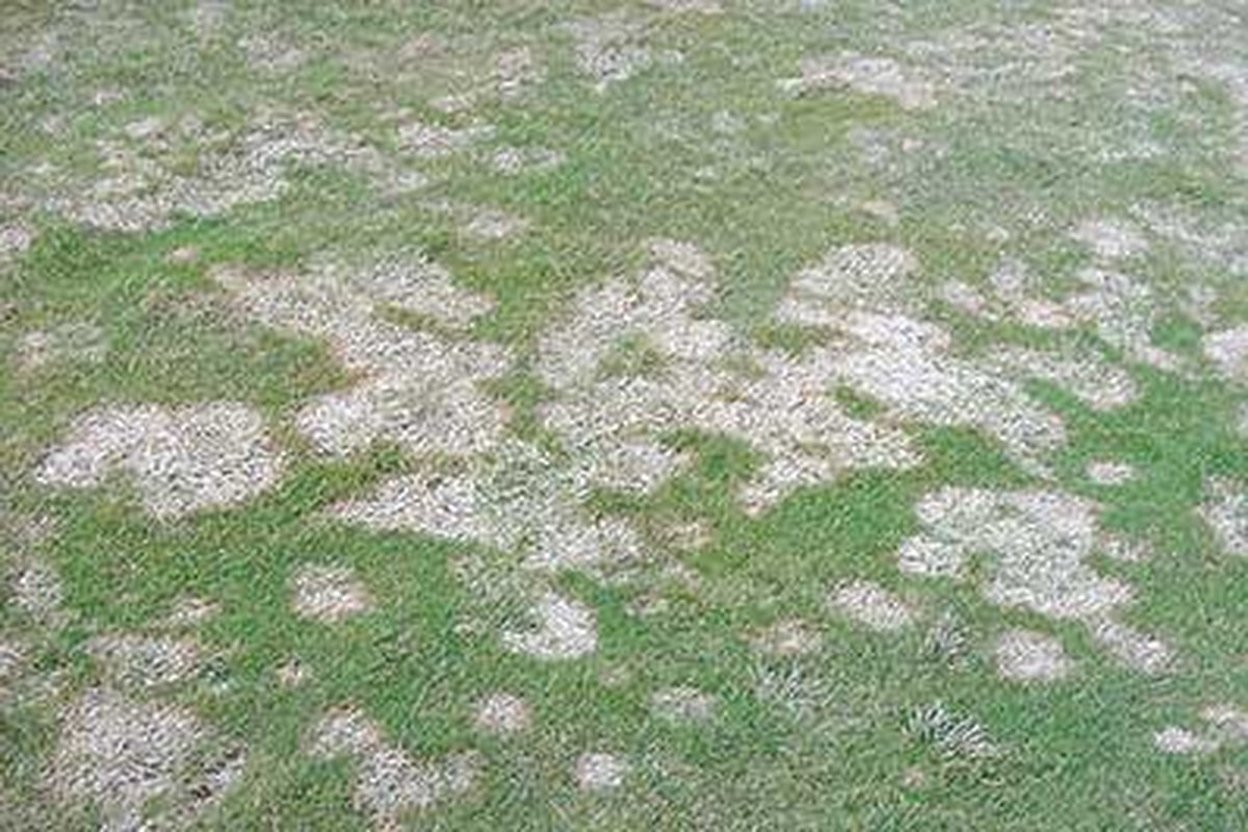
Two different fungi, two different winters. How to tell gray from pink snow mold, why pink can show up with no snow at all, and what each means for your lawn.
Jack · golf course superintendent·3 min read·October 5, 2026
"Snow mold" sounds like one thing. It's really two different problems, and knowing which one you have tells you how worried to be.
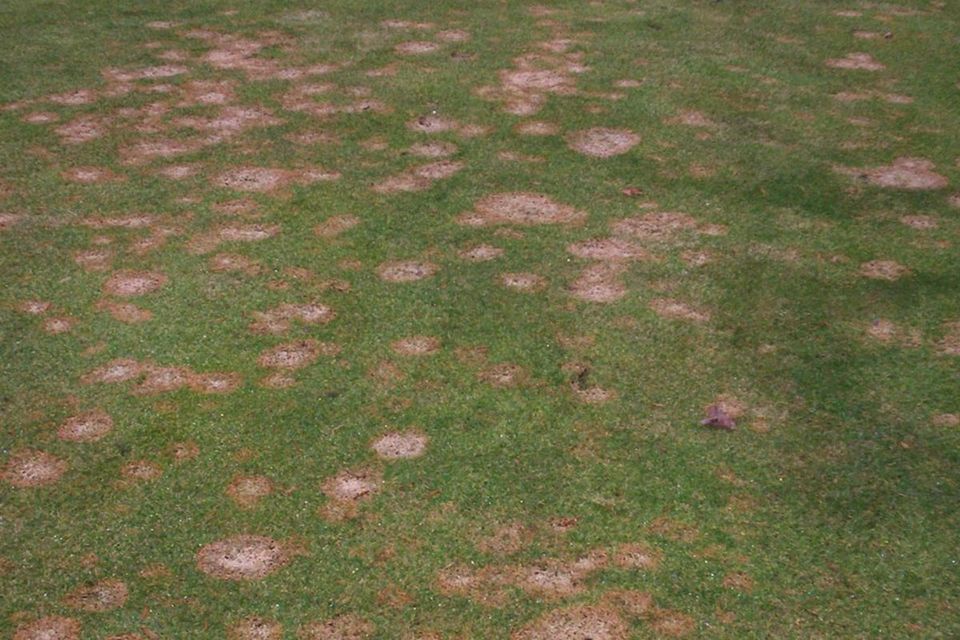
If you live where snow sits for months, gray snow mold is the one you'll see most. If your winters go back and forth between freezing and thawing, with rain and slush, pink snow mold is more likely, and it can be active even in years you'd think were too mild for "snow" mold.
For both, prevention is the same: get leaves off, mow the last time a bit shorter, go easy on late-fall nitrogen, and avoid big snow piles on the lawn. See wet leaves under the first snow.
In spring, rake the matted patches gently so they dry out. If a spot is still dead after the lawn greens up, reseed it. See snow mold prevention and recovery.
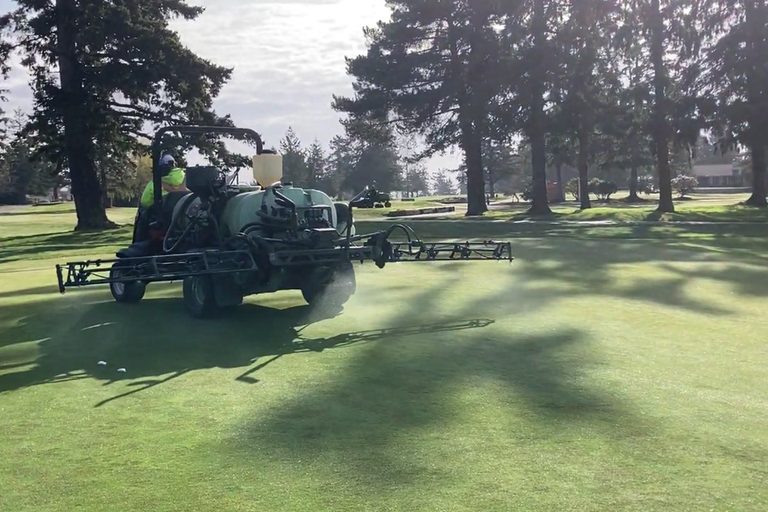
Preventive fungicide is standard on golf greens. On a home lawn, it's rarely needed.
University of Wisconsin Extension: Typhula blight · Penn State: Gray and speckled snow mold · UW–Madison Koch Lab: Snow molds
Photo: Gray and pink snow mold by Rutgers University, courtesy.
Round brown patches can be dog urine or disease. The ring test, the tug test and the timing that tell you which, and how to fix each one.
Golf courses spray fungicide on greens. Most home lawns don't need it. When a fungicide makes sense, when it's a waste of money, and what fixes the problem instead.
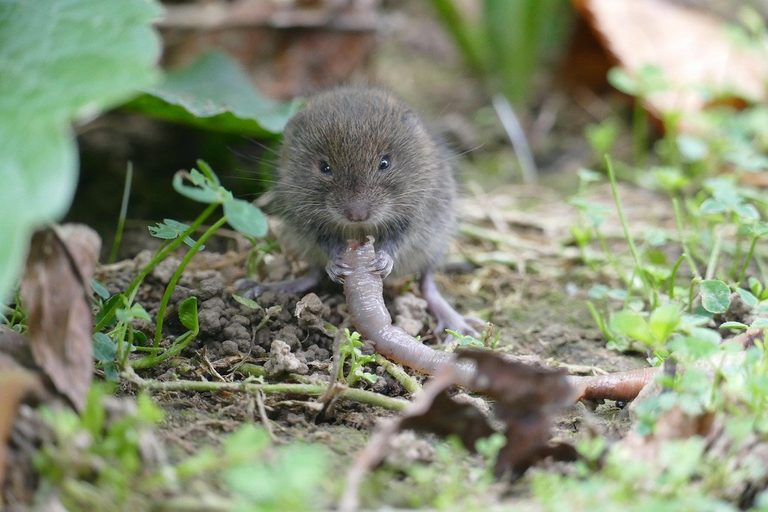
When the snow melts, some lawns are covered in winding dead trails. That's voles. Why they do it, how to cut down the damage this fall, and how to fix the trails…