Mowers & Equipment
Are Robot Mowers Good Enough Yet? A Golf Course Superintendent Judges the Cut
A golf course superintendent's verdict on robot mowers: why the cut beats rotary mowers, where they fall short, costs, and who should buy one.
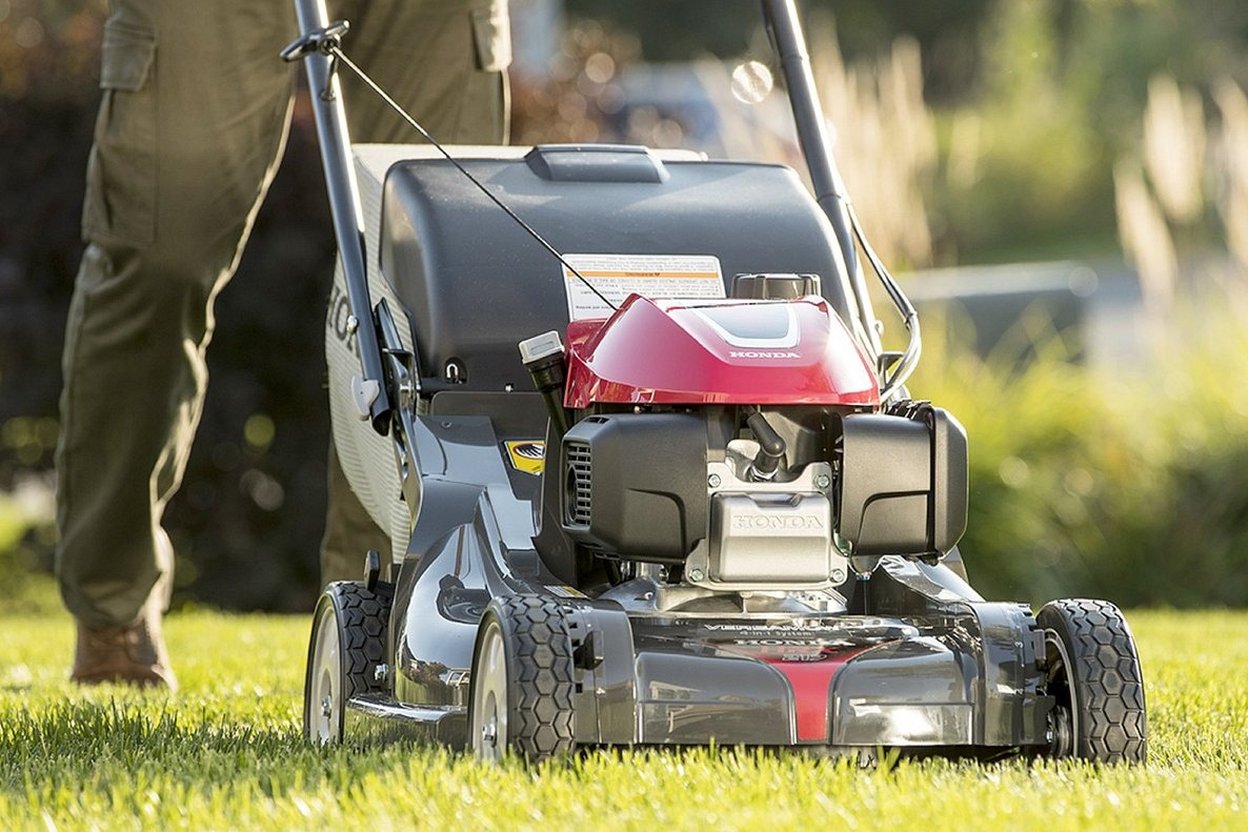
A small lawn under 5,000 square feet needs a basic mower, not a $6,000 one. Learn the cut height, blade, and upkeep that actually matter.
Jack · golf course superintendent·8 min read·October 17, 2026
Maybe it's late in the season and the mowers are lined up in the store, or a neighbor just rolled a new rider down a trailer ramp. Either way, you start to wonder whether your small lawn would look better with a better machine. It wouldn't. A lawn under about 5,000 square feet needs a mower that holds a 2.5 to 3.5 inch cut, has a blade you can sharpen, and fits your garage and your back. That's usually a basic mower costing a few hundred dollars. How good the lawn looks depends on how you mow, not on what you paid.
I see people buy $6,000 mowers for small yards, and I don't get it. In the parts of the Midwest where I've worked, you mow about 20 times a year. Some diehards push past 30 between spring and fall, some retired folks mow twice a week, and some people run the mower again to mulch leaves. Those are the exceptions. For most homeowners it's once a week in season. The rest of the year the machine sits in storage, and it's sitting there now as fall winds down. A small lot doesn't need that much machine.
On a golf course we buy equipment for the ground we have to cover. We have acres to cut, so the big reels and rotaries pay for themselves. A home lawn under 5,000 square feet is a different job. The mower has to do three things:
A basic push rotary or a battery mower in the $200 to $500 range does all three. Buy for the yard you have, not the one in the brochure.
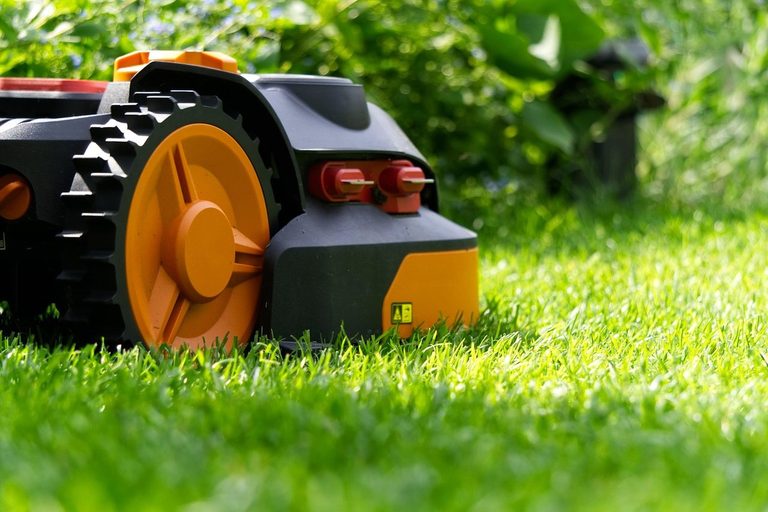
People also ask me about robot mowers. They may be the answer for small yards someday. In my view the cut quality isn't there yet.
None of what follows depends on the price tag.
Cut height. Iowa State recommends cutting Kentucky bluegrass at 2.5 to 3 inches in spring and fall and 3 to 3.5 inches in summer. The taller summer grass keeps the crowns cooler and leaves more leaf for photosynthesis. Kansas State gives tall fescue a range of 2.5 to 3.5 inches and also says to cut at the high end in summer. Any mower with a working height adjustment can do this.
The one-third rule. Never take off more than one-third of the leaf in one mowing. If you keep the lawn at 3 inches, mow when it reaches about 4.5. This is why timing matters more than horsepower.
Mow often when it's growing. Mow at least weekly during the growing season, and more often in spring and fall when cool-season grass grows fastest. Right now, in October, a lawn that got some rain can get away from you in a week.
A sharp blade. A dull blade tears the leaf tips instead of cutting them. That leaves a tan or brownish look and takes more fuel or battery power. Iowa State notes that the torn, whitish tips lose more water and are more prone to disease. A $6,000 machine with a dull blade cuts worse than a $250 one with a sharp blade.
Leave the clippings. If you follow the one-third rule, you don't need to bag. The clippings filter down and return nutrients to the soil. That's less work and less fertilizer.
Once you know what the grass needs, the choice of mower type is mostly settled.
Reel mowers are the type we use on greens and fairways, and they give the cleanest cut in turf. The catch is height. University of Kentucky says reels lose effectiveness above about a 1.5 inch cut and lay the grass over instead of cutting it. Other sources put the limit near 2 inches. Either way, that's below the 2.5 to 3.5 inches a bluegrass or fescue lawn wants, especially in summer. Reels also need special equipment or training to sharpen and adjust. On a course we have a shop and a technician for that. At home you probably don't. A push reel is cheap (one estimate puts the average around $129), and it's often suggested for flat lawns under 5,000 square feet. But for a cool-season home lawn kept at a healthy height, I wouldn't make it my first choice.
Gas rotary mowers cut at any height you need, and you can sharpen the blade at home. They're dependable. The downside is upkeep: oil changes about every 50 hours, plus an air filter, a spark plug and winterizing every fall.
**Battery rotary mowers** are what I'd look at first for a small lot. They have the same blade and height range as a gas rotary, without the oil or the fall fuel routine. Run times for 21-inch battery mowers in recent testing were 60 to 140 minutes on a charge, and smaller decks, around 18 inches, are made for small yards and lots with obstacles. On a small yard, the battery is rarely the limit.
Here's roughly how the prices break down:
Upkeep matters too. One company estimate puts yearly costs at $10 to $30 for a reel, $50 to $150 for a gas rotary and $40 to $80 for an electric rotary. Over 10 years, its totals run $200 to $400 for a reel, $800 to $2,500 or more for gas, and $820 to $1,270 for electric. These are estimates, not guarantees, but they show that the purchase price is only part of what you pay.
So what does the extra $500 to $1,000 get you?
None of these change the height of cut, the sharpness of the blade or how often you mow. Those are the things the grass actually responds to.
If you've got $1,000 set aside for a mower, buy a good basic one and put the rest toward the habits that make the lawn look good.
Keep the blade sharp. University of Kentucky says to sharpen rotary blades two or three times a season. Iowa State says once each spring, then as needed. A sharp blade cuts cleaner and quicker and takes less energy. I'd also keep a spare blade on the shelf and put on a fresh one every year, so you never have to choose between mowing and waiting on a sharpening.
Mow on schedule. Weekly through the season, more often in the spring and fall flush. This is the course mindset. We don't fix problems with bigger machines; we set up a routine that keeps the turf right with as little fuss as possible.
Use fall well. Before the mower goes away for winter, sharpen or replace the blade so it's ready for the first April cut. If it's gas, do the fall winterizing too.
Before you buy, run through this checklist:
If the answer to all five is yes, you've found your mower, and it probably didn't cost $1,000, let alone $6,000.
Photo by Louiesharpe on Pixabay.
A golf course superintendent's verdict on robot mowers: why the cut beats rotary mowers, where they fall short, costs, and who should buy one.
Battery or gas mower in snow country: how cold affects each one, the right fall mowing height, and how to store each over winter.
Battery, gas or backpack: how to size a leaf blower to your yard, which specs count, what the noise does to your ears, and where gas blowers are banned.