Trees & Shrubs
Planting Trees in Fall in the Northern US
Fall is one of the best times to plant a tree up north: warm soil, cool air, and fall rain. When to plant, the trees that do better in spring, how deep,…
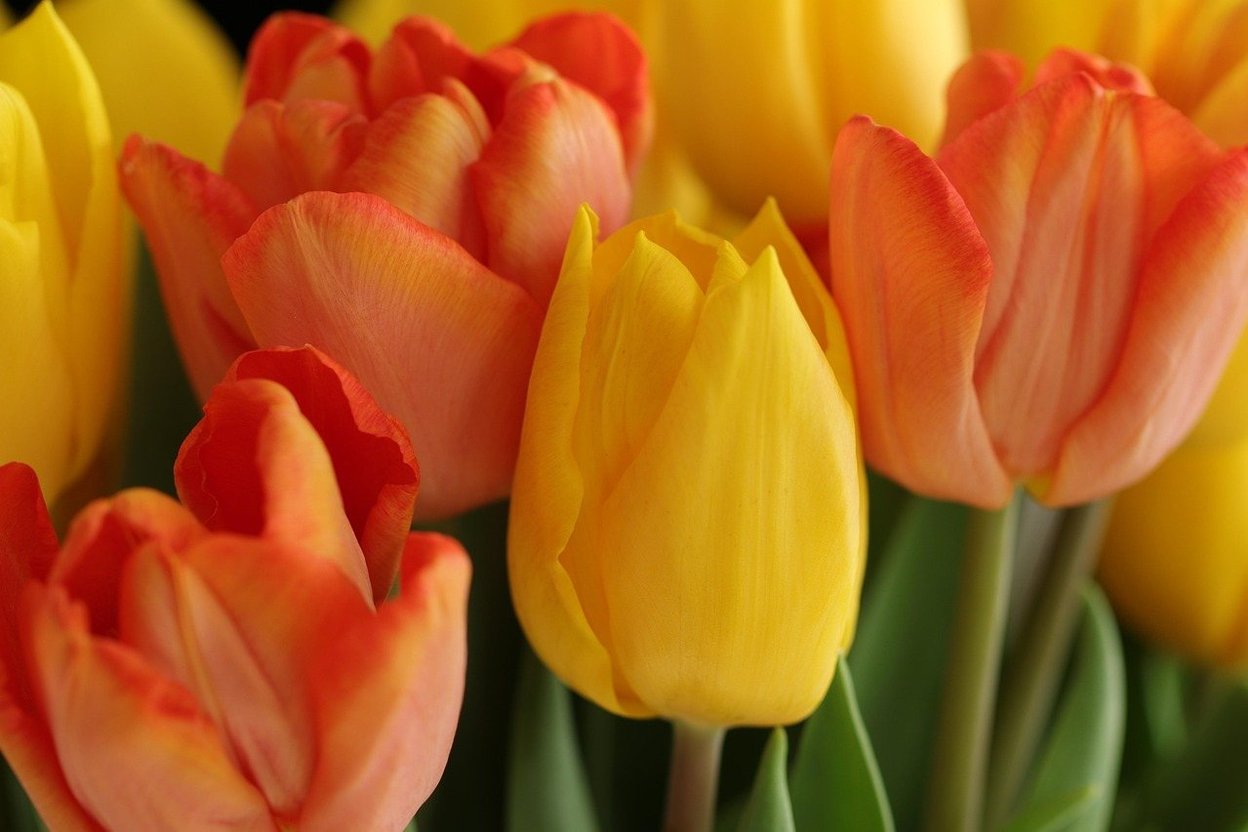
Usually not too late to plant spring bulbs until the ground freezes. Get soil-temperature checks, planting depths, and a potting backup plan.
Jack · golf course superintendent·5 min read·October 14, 2026
You find the bag of spring bulbs after the middle of October and wonder if you missed your chance. Across most of the northern US, you can still plant as long as the soil is open and workable. The soil’s temperature and whether you can dig matter more than the date on the calendar.
Even in colder regions, late planting can work. Check the ground where you plan to plant, then get the bulbs in before it freezes. If the soil has frozen, potting the bulbs gives you another way to provide the cold period they need.
For most of the country in Zone 7 and colder, mid-October falls within the spring-bulb planting window. Iowa State says you can plant tulips as late as December if the soil is not frozen, and the University of Illinois says most bulbs can go in until the ground freezes.
The practical cutoff is frozen ground. Frost on your windshield tells you the air is cold; it does not tell you the soil has frozen. Test the planting spot with a spade. If you can dig to the required depth, you can plant.
The main regional wrinkle is the coldest areas, including Minnesota. There, the normal window runs from mid-September to mid-October. The University of Minnesota’s bulb guidance makes tulips an exception: you can plant them as late as the soil allows.
If your bulbs are still in their bag, check their condition and plant them while the ground is workable. For Iowa-type winters, Iowa State confirms November tulip planting can work, with December possible when the soil stays unfrozen.
Plant spring bulbs once the soil at planting depth stays below about 60°F. Wisconsin guidance puts the preferred range around 50 to 55°F or cooler, while Clemson’s guidance also uses a soil temperature below 60°F.
Warm soil can prompt tulips to sprout in fall, before winter arrives. Cooler soil supports root growth while the bulbs settle in for the cold period they need. Most spring bulbs need roughly 12 to 16 weeks of cold to bloom, so planting from mid-October into November still gives bulbs a long winter in northern areas.
Use a basic soil thermometer to check the soil at the depth where the bulbs will sit. Take readings on a few mornings, since one warm or cold reading can mislead you. Rutgers’ bulb guidance also identifies cool soil as the planting signal, giving you a useful benchmark alongside the spade test.
Tulips are the most forgiving spring bulbs when planting runs late. In the coldest areas, you can put tulips in as late as the soil remains open.
Daffodils are worth planting sooner when winters are harsh. They also last longer in heavy soils, and animals leave them alone, making them a practical choice for beds where bulbs need to persist.
Small bulbs such as crocus and grape hyacinth plant quickly because they sit closer to the surface. Their shallow planting depth makes them manageable when late-season digging time is limited.
Set bulbs at a depth about two to three times their height, measuring from the bulb’s bottom. Large tulips and daffodils go about 8 inches deep; small bulbs need about 3 to 4 inches.
Place each bulb with its pointed end up, then cover it with soil. Water once to settle the soil around the bulbs and start root growth. For a late planting, water after planting and add 2 to 3 inches of shredded leaves or straw mulch. That cover helps protect the bed and buys the bulbs extra rooting time before the ground freezes.
If squirrels dig in your tulip or crocus beds, lay chicken wire over the planted area. Secure it across the bed so it stays in place, then cover the wire with mulch. The bulbs can grow through the openings as spring arrives.
Pot the bulbs for winter chilling if frozen soil prevents planting outdoors. Holding bulbs until spring is a poor option: Iowa State says unplanted tulips are usually dead by early spring.
Use a container with drainage and potting soil, then keep it at about 40 to 45°F for 12 to 16 weeks. An unheated garage, cellar, or spare refrigerator can provide that chill. Keep the potting mix from drying out during storage.
After the cold period, move the container to a bright, cool room so the bulbs can grow and bloom. Store any bulbs that are still waiting to be potted in a cool, dry, ventilated place. Keep them away from apples and other ripening fruit.
In the coldest areas, aim to plant from mid-September to mid-October. Tulips can go in later if the soil remains open.
For Iowa-type winters, October is the ideal time. Late November or early December can still work while you can dig into unfrozen soil.
In the Mid-Atlantic and warmer Zone 7 areas, planting can continue into late fall as the soil cools. Check the soil and planting spot instead of relying on a single date. If a spade goes in, the bulb goes in.
Photo by Marjonhorn on Pixabay.
Fall is one of the best times to plant a tree up north: warm soil, cool air, and fall rain. When to plant, the trees that do better in spring, how deep,…
Long grass mats under snow and invites snow mold. Scalping it hurts the crowns. The right final mowing height for cool-season lawns, and how to get there without shocking the grass.
Battery, gas or backpack: how to size a leaf blower to your yard, which specs count, what the noise does to your ears, and where gas blowers are banned.