Weeds & Pests
Dog Spots or Lawn Fungus? How to Tell the Difference
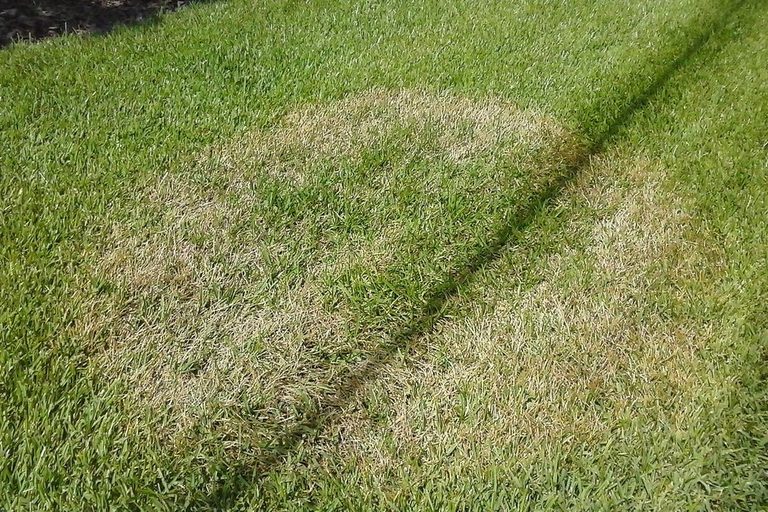
Round brown patches can be dog urine or disease. The ring test, the tug test and the timing that tell you which, and how to fix each one.
Jack · golf course superintendent·2 min read·August 22, 2026
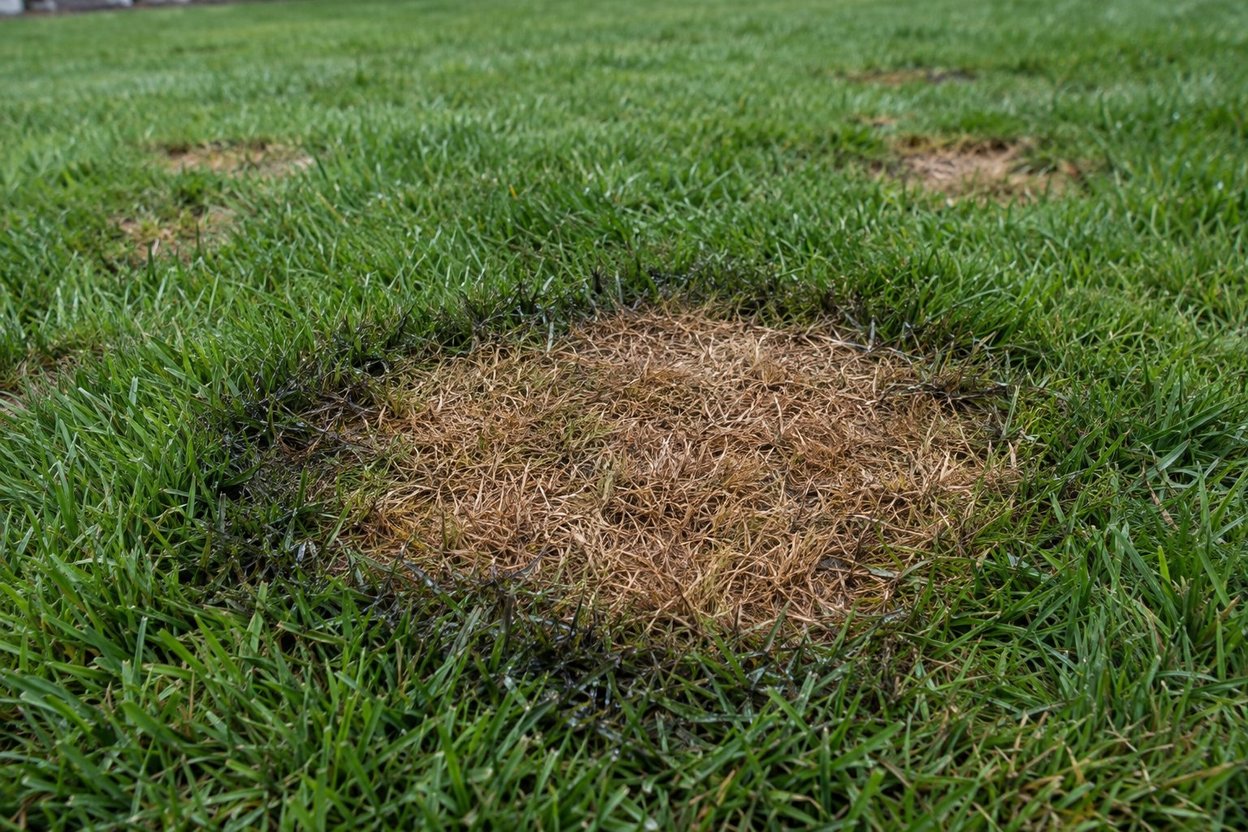
Brown patch (Rhizoctonia solani) is one of the most common and frustrating diseases in cool-season lawns, especially during July and August heat waves with high humidity.
Cultural practices fix 80% of cases. If patches are expanding rapidly and you have a high-value lawn (front yard, new sod), a preventive fungicide program starting in mid-June can be justified. Products containing azoxystrobin, pyraclostrobin, or flutolanil work well when used at label rates on a 14–21 day schedule during high-risk periods.
Always water the product in lightly (¼”) after application.
Round brown patches can be dog urine or disease. The ring test, the tug test and the timing that tell you which, and how to fix each one.
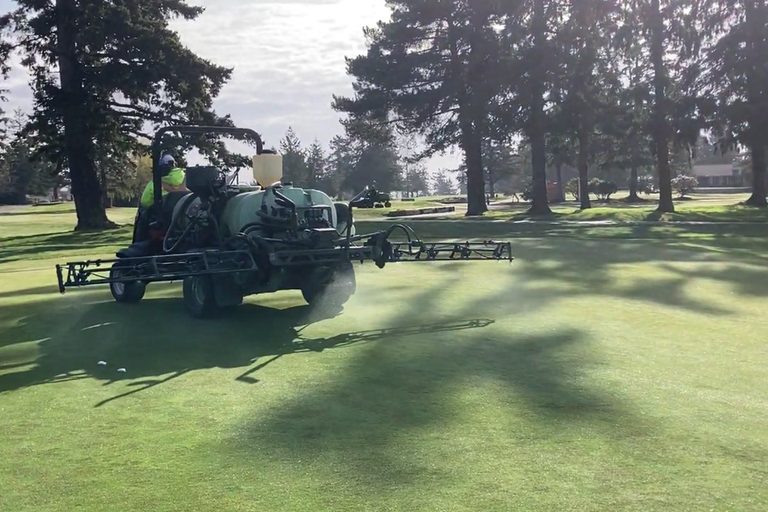
Golf courses spray fungicide on greens. Most home lawns don't need it. When a fungicide makes sense, when it's a waste of money, and what fixes the problem instead.
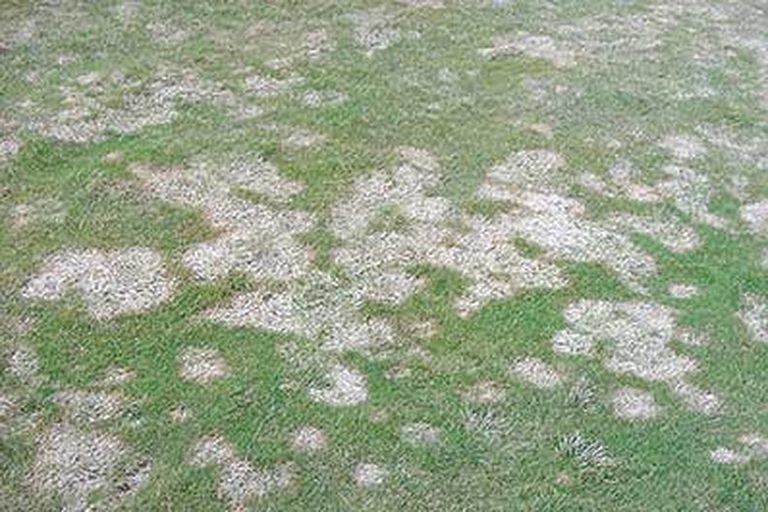
Two different fungi, two different winters. How to tell gray from pink snow mold, why pink can show up with no snow at all, and what each means for your lawn.