Mowers & Equipment
Are Robot Mowers Good Enough Yet? A Golf Course Superintendent Judges the Cut
A golf course superintendent's verdict on robot mowers: why the cut beats rotary mowers, where they fall short, costs, and who should buy one.
A dull blade tears grass and invites disease. How a golf course equipment shop sharpens and balances rotary blades, how often to do it, and when to just buy a new one.
Jack · golf course superintendent·3 min read·October 4, 2026
On a golf course, cut quality is everything. Our equipment techs checked blades constantly, because a dull blade shows up on the turf within days. At home, most people sharpen their blade once in a blue moon, if ever. That's a mistake you can see: a lawn mowed with a dull blade has a gray-white haze from torn, shredded tips.
A common rule of thumb: about every 20 to 25 hours of mowing, or a couple of times a season for the average home lawn. More often if you hit sticks, rocks or sandy soil. Fall is a great time to do it, so the mower is ready in spring. See mower winter storage.
Golf course shops use grinders made for mower blades. At home you can use:
Rules of the shop:
This step separates a shop job from a garage job. An unbalanced blade vibrates, which wears out the engine and spindle bearings.
Replace the blade if:
New blades are inexpensive. Many shops keep a spare sharp blade ready to swap in.
Ten minutes on the blade pays off in a cleaner cut and a healthier lawn all season.
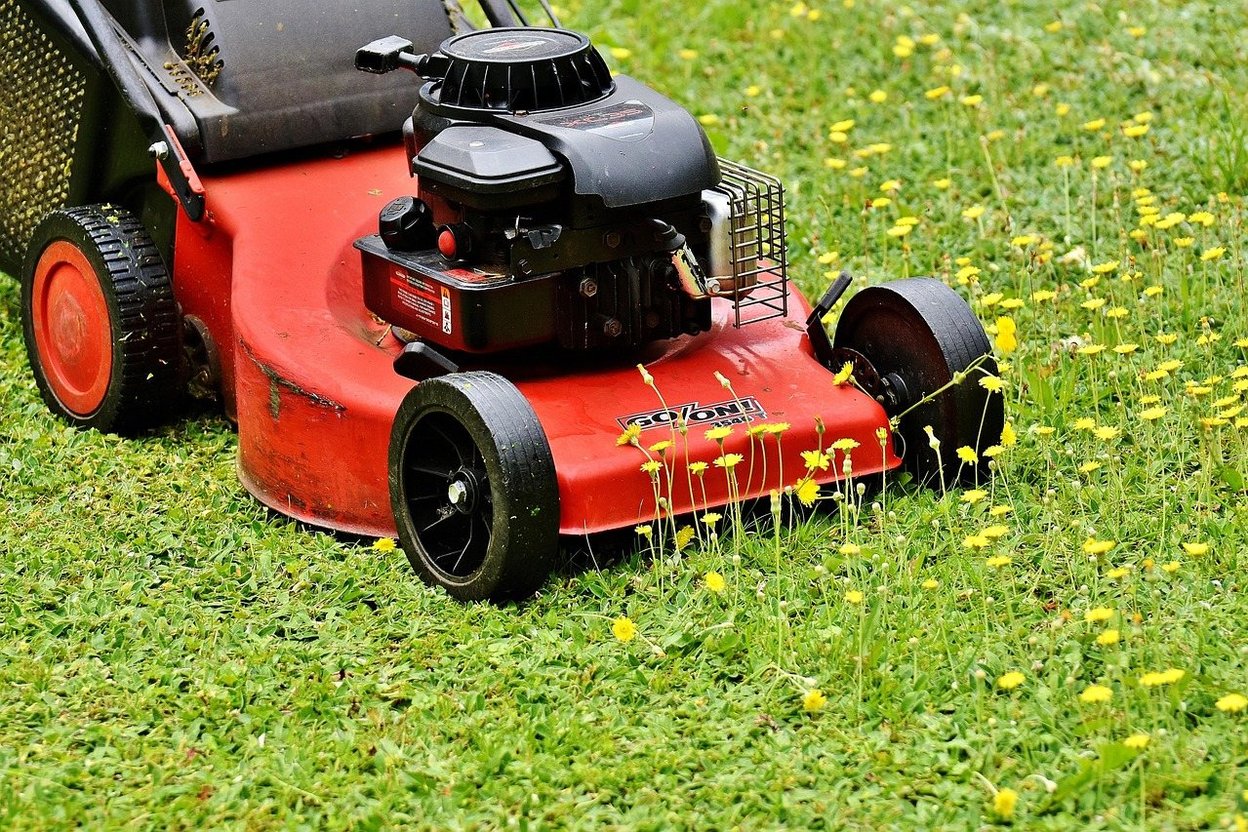
Photo by Alexas_Fotos on Pixabay.
A golf course superintendent's verdict on robot mowers: why the cut beats rotary mowers, where they fall short, costs, and who should buy one.
A small lawn under 5,000 square feet needs a basic mower, not a $6,000 one. Learn the cut height, blade, and upkeep that actually matter.
Battery or gas mower in snow country: how cold affects each one, the right fall mowing height, and how to store each over winter.