Lawn
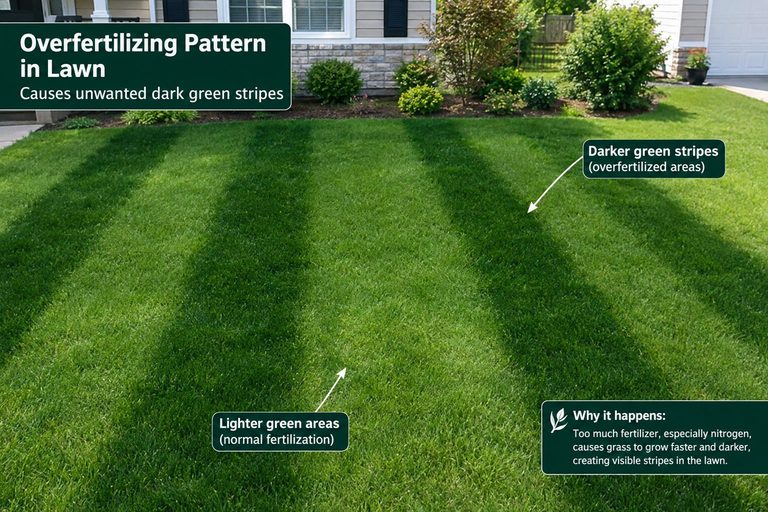
How to Fix Fertilizer Stripes in Your Lawn (and Never Get Them Again)
Tell dark-green overlap stripes from yellow burn stripes, fix each one, and calibrate your spreader and walking pattern so they don't come back.
Jack · golf course superintendent·2 min read·August 22, 2026
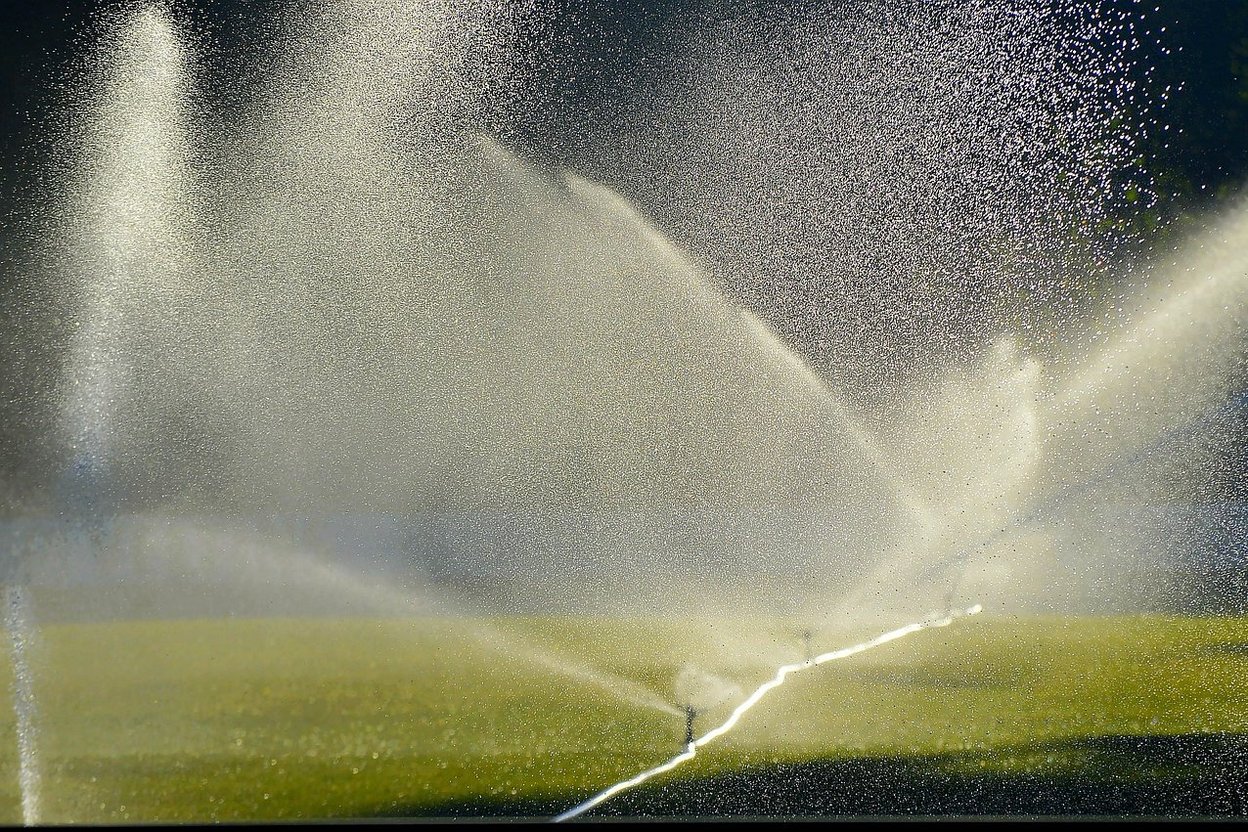
One of the fastest ways to ruin a lawn’s long-term resilience is to water it like a houseplant — a little bit every day. Frequent shallow watering creates weak, shallow roots that are completely dependent on you.
When you water lightly and often, the top inch or two of soil stays moist. Roots have no incentive to grow deeper. When that top layer dries out (which it does quickly in summer heat), the lawn goes into stress immediately.
Deep, infrequent watering does the opposite: it pushes the moisture front down into the soil. Roots follow the water, developing a deep, robust system that can pull moisture from 6–12 inches down even when the surface is bone dry.
Newly seeded or overseeded areas: These do need light, frequent watering (2–3× daily) until the seed germinates and roots establish. After 3–4 weeks, switch to deep/infrequent.
Heavy clay soils: Water even more slowly or in cycles (20 min on, 20 min off, repeat) so it soaks in instead of running off.
Sandy soils: You may need slightly more frequent deep waterings because sand drains faster.
Photo by danielsfotowelt on Pixabay.
Tell dark-green overlap stripes from yellow burn stripes, fix each one, and calibrate your spreader and walking pattern so they don't come back.
Most lawns need two or three feedings a year, plus crabgrass prevention only if needed. A golf course superintendent's yearly schedule.
Skip the flyer: a screwdriver probe and thatch check show whether your lawn needs aeration, plus soil and traffic guidance on when to core aerate.