Weeds & Pests
Dog Spots or Lawn Fungus? How to Tell the Difference
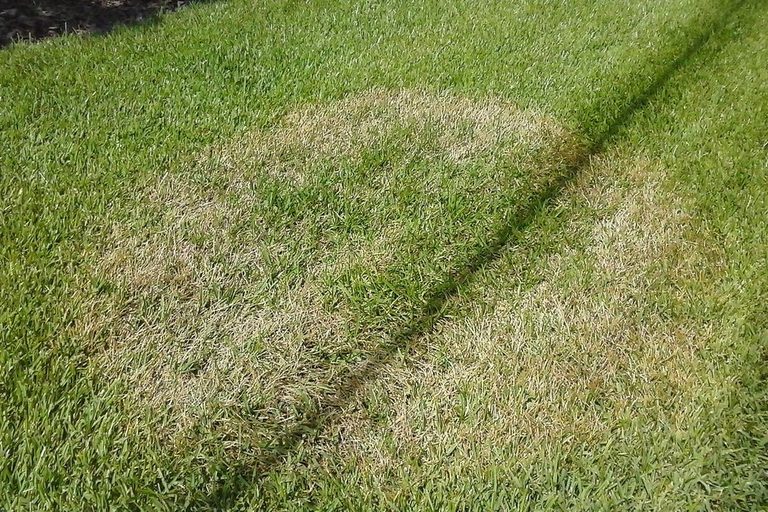
Round brown patches can be dog urine or disease. The ring test, the tug test and the timing that tell you which, and how to fix each one.
When the snow melts, some lawns are covered in winding dead trails. That's voles. Why they do it, how to cut down the damage this fall, and how to fix the trails in spring.
Jack · golf course superintendent·3 min read·October 4, 2026
Every spring someone asks me what happened to their lawn: winding brown trails an inch or two wide, crisscrossing the yard like a maze. That's vole damage. Voles spend the winter tunneling under the snow, eating grass, roots and bark where nothing can see them. You can't stop every vole, but what you do this fall makes a big difference.
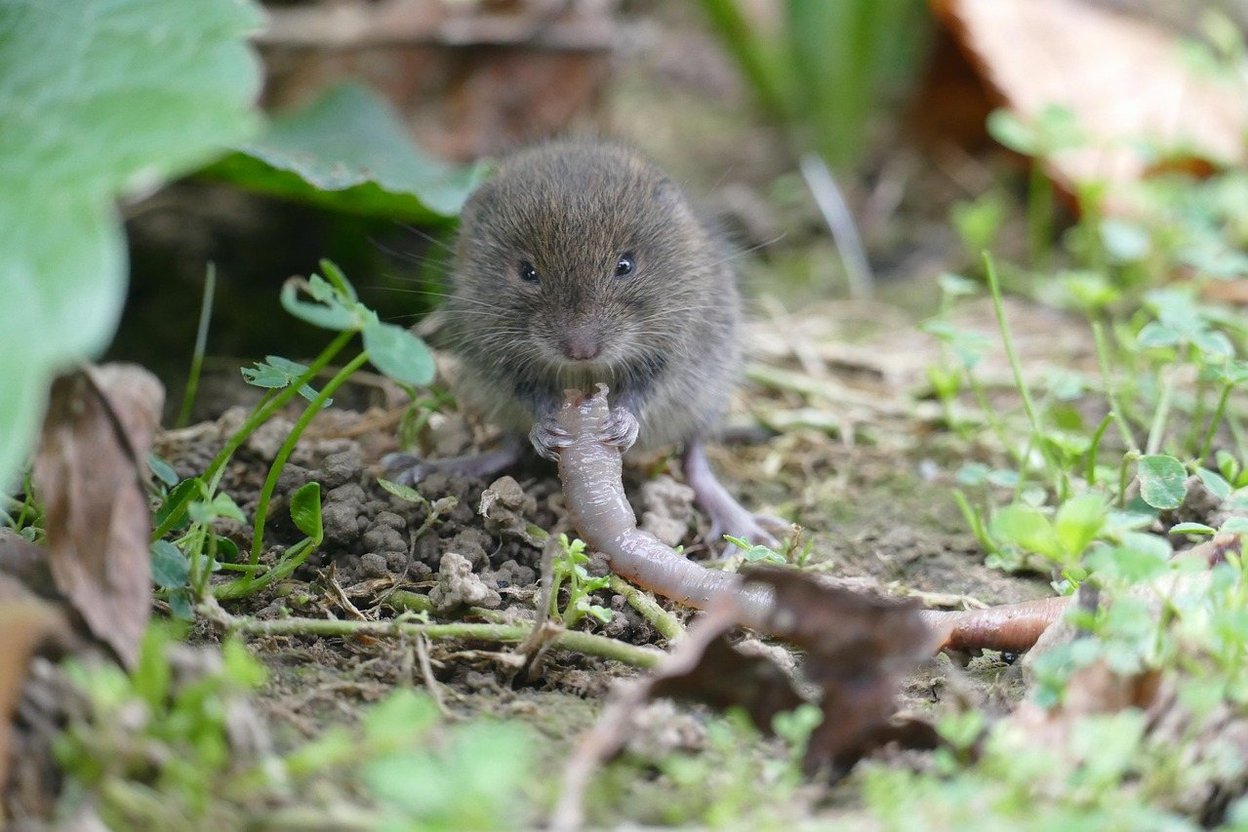
Voles are small, stocky rodents, often called meadow mice or field mice. They look like a mouse with a short tail and small ears. Unlike moles, which eat insects and dig deep tunnels, voles eat plants: grass blades, roots, bulbs and the bark of young trees and shrubs.
In winter, snow gives them cover from hawks, owls and cats. They make surface runways under the snow, grazing the grass down to the soil as they go.
You won't see anything until the snow melts. Then you find:
The good news: lawn runway damage is usually shallow. The grass crowns are often still alive, and the lawn fills back in.
Long grass going into winter gives voles more cover and more food. A slightly shorter final mow helps. See when to stop mowing for the season.
Mulch piled against trunks is a perfect vole hideout. Keep mulch a few inches away from the bark.
Put a cylinder of quarter-inch hardware cloth around the base of young trees, buried a couple of inches into the soil. See wrapping young trees.
Spilled seed under feeders feeds voles all winter. Move feeders away from the lawn and beds, or use a tray to catch seed.
Where snow piles up deep along foundations and beds, voles have the best cover. Spreading snow piles out or keeping them away from vulnerable plants reduces damage.
Owls, hawks, foxes and cats are the best vole control there is.
Most vole damage looks worse than it is. A clean fall yard and a little patience in spring take care of most of it.
Photo by MrsBrown on Pixabay.
Round brown patches can be dog urine or disease. The ring test, the tug test and the timing that tell you which, and how to fix each one.
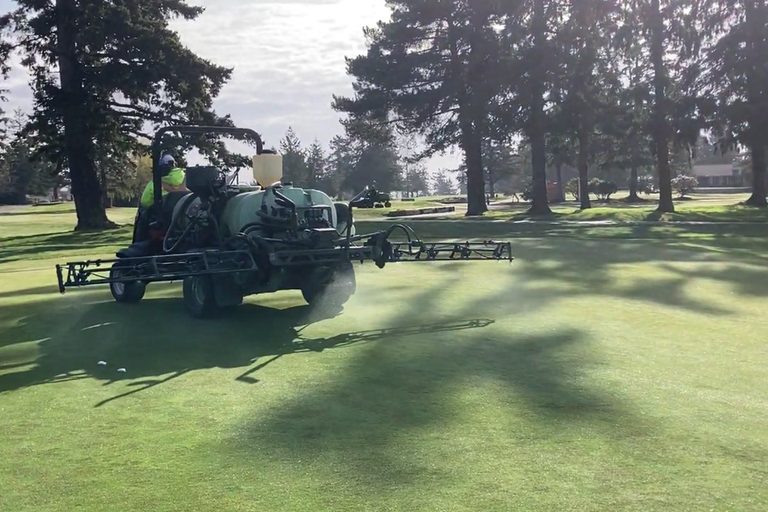
Golf courses spray fungicide on greens. Most home lawns don't need it. When a fungicide makes sense, when it's a waste of money, and what fixes the problem instead.
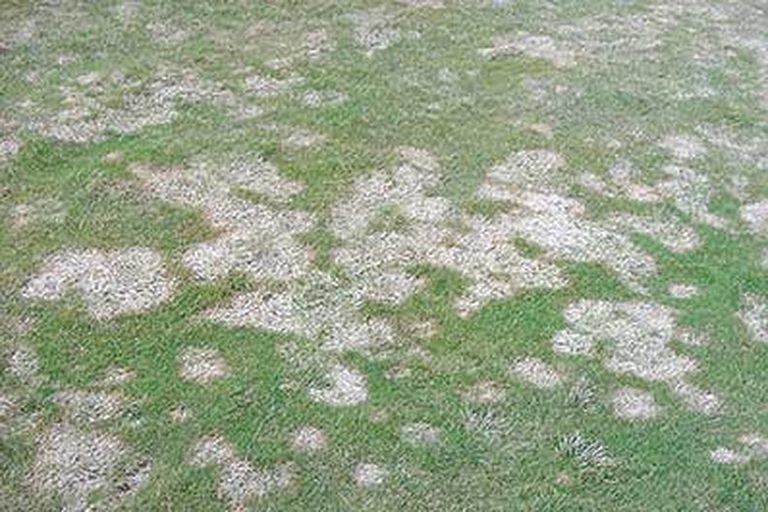
Two different fungi, two different winters. How to tell gray from pink snow mold, why pink can show up with no snow at all, and what each means for your lawn.