Fall & Winter
Snow mold on Minnesota lawns last spring: what to change this fall
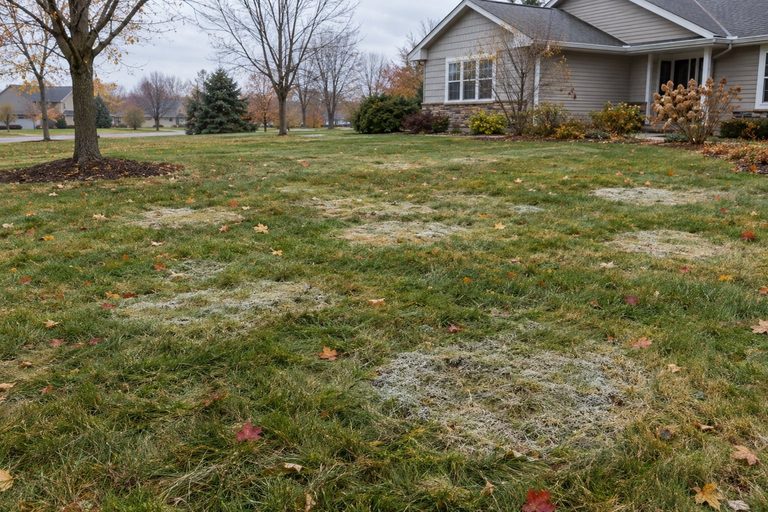
Snow mold hit many Minnesota lawns last spring. Learn the fall changes that reduce it: final mowing height, leaf handling, and fertilizer timing.
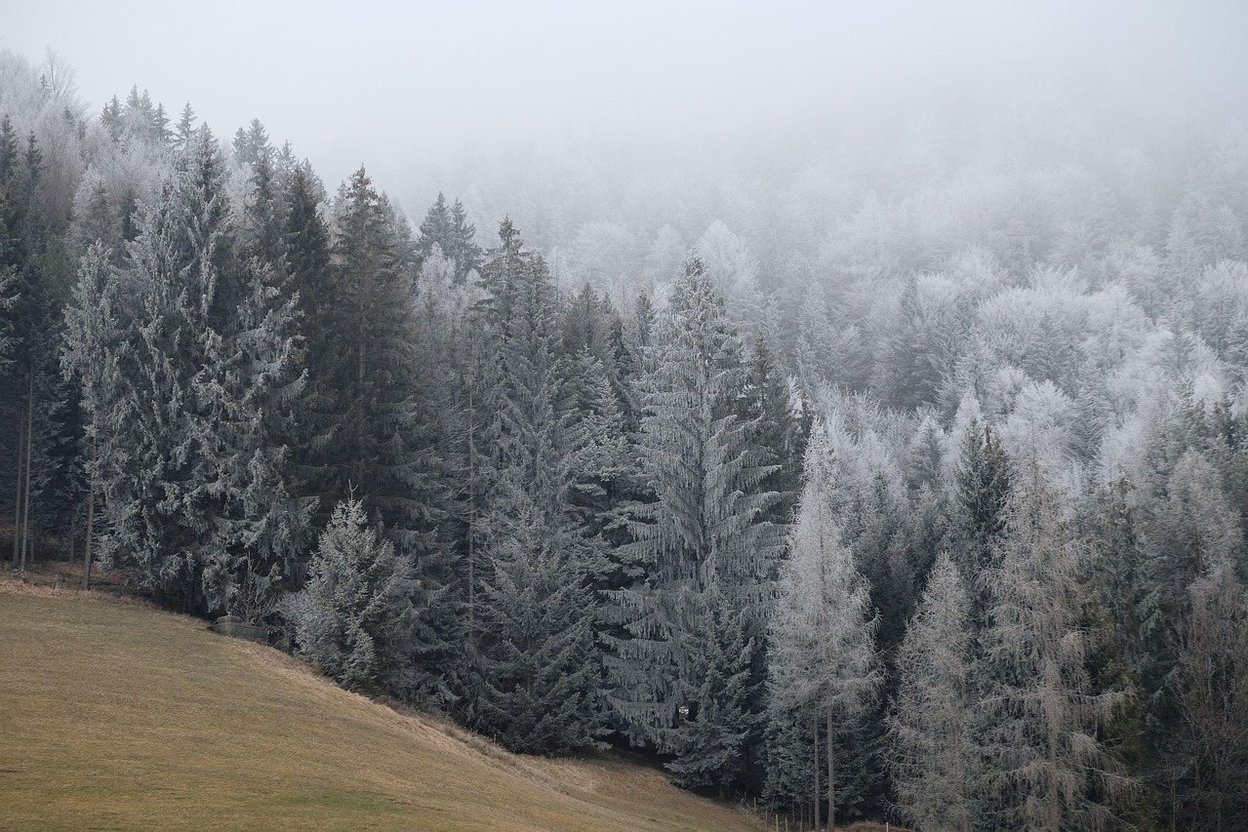
Winter burn isn't the cold. It's dry wind and sun pulling water out of plants when frozen ground can't replace it. Which plants are at risk, and what to do this fall to prevent it.
Jack · golf course superintendent·3 min read·October 4, 2026
People think winter damage is about cold. Usually it's about water. On a sunny, windy day in January, evergreens and even lawns keep losing moisture, but the ground is frozen and the roots can't pull any more in. Plants dry out and brown, and the damage often doesn't show until spring. This is called winter desiccation, or winter burn.
The result is brown or bronze needles, usually on the windward side, the south and west sides, or the top of the plant above the snow line.
Turf can suffer winter desiccation in dry, windy winters without snow cover, especially on high spots, slopes and exposed areas. On golf courses, exposed greens are protected with covers for exactly this reason. In a home lawn, it shows as tan, dead patches in spring that don't green up.
The single most important step. Give evergreens and young trees a deep, slow soak every week or so in fall when it's dry, right up until the ground freezes. See water your trees before the ground freezes.
Two to four inches of mulch over the root zone holds moisture and keeps the soil from freezing as deep.
For vulnerable shrubs in exposed spots, set up a burlap windscreen on stakes. See burlap on evergreens.
A dry fall sends turf into winter stressed. If it's dry, water the lawn deeply before it goes dormant.
When planting new evergreens, choose spots sheltered from the worst winter wind, and choose varieties rated for your zone.
They coat needles with a waxy film to slow water loss. Research is mixed. Watering and windbreaks do more.
If there's a thaw and the ground isn't frozen, you can water evergreens on a mild day. Water early so it soaks in before nightfall.
Don't prune brown evergreens right away. Wait until new growth starts; buds may still be alive. Cut out only what's truly dead.
For lawns, rake brown patches lightly, and overseed areas that don't recover by late spring.
The best defense against winter burn is a well-watered plant going into winter. It sounds too simple to work, but it's the thing that saves the most evergreens.
Photo by shogun on Pixabay.
Snow mold hit many Minnesota lawns last spring. Learn the fall changes that reduce it: final mowing height, leaf handling, and fertilizer timing.
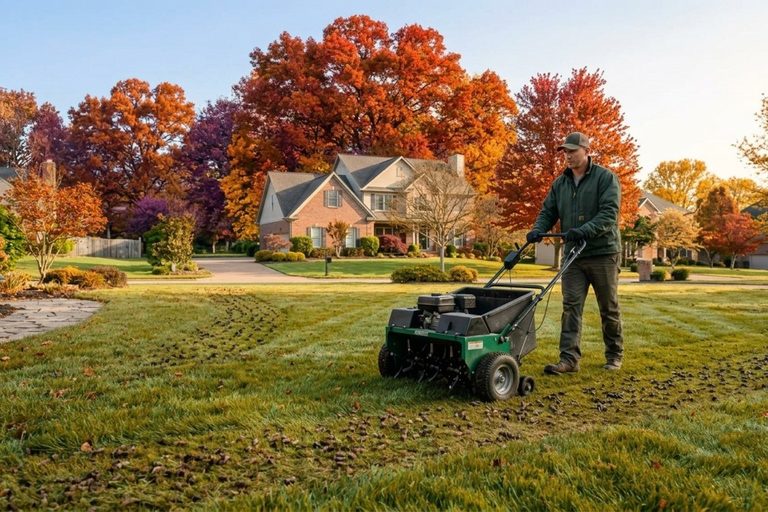
Late October core aeration can work if the grass is still growing and the soil is moist and unfrozen. Here's how to check, and when to wait.
Move carved pumpkins off the turf within days to compost, a drop-off, or a garden bed so the grass doesn't die underneath. Local rules vary.