Trees & Shrubs
Salt-Tolerant Shrubs and Grasses for Curb Strips and Driveways
Which shrubs, ornamental grasses and lawn grasses actually survive road salt along curbs and driveways, which to avoid, and how to plant them.
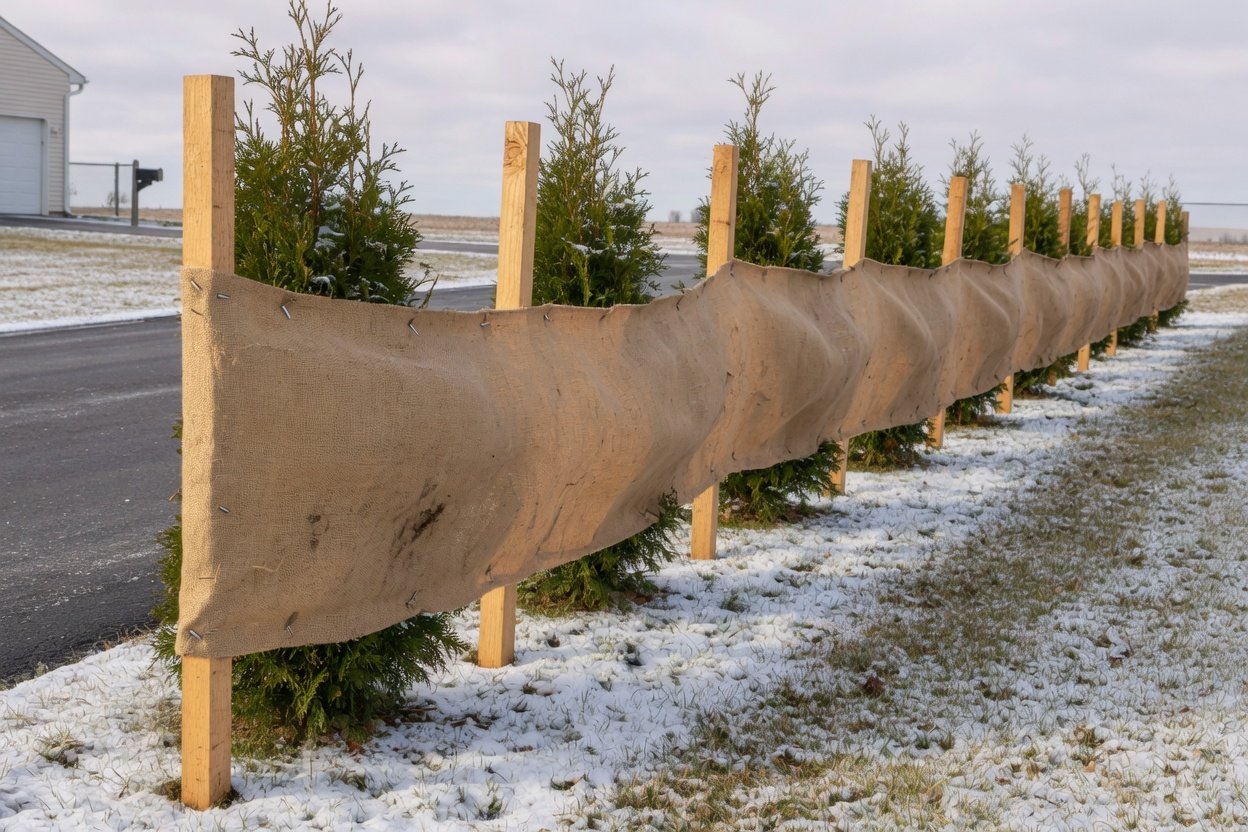
Burlap protects evergreens from winter wind, salt spray, and sun. Wrapped wrong, it does more harm than good. Which shrubs need it, the screen method that works, and when to put it up.
Jack · golf course superintendent·4 min read·October 3, 2026
Drive through any northern neighborhood in December and you'll see shrubs wrapped in burlap like mummies. Some of them need it. Some of them don't, and a few are being hurt by it. Here's how to tell the difference and how to do it right.
Evergreens keep their leaves or needles all winter, and those needles keep losing water. When the ground is frozen, the roots can't replace it. Wind and winter sun speed up the water loss. The result is winter burn (also called desiccation): needles that turn brown or bronze, usually on the side facing the wind or the south.
Burlap helps with:
Good candidates:
Usually don't need it:
If a shrub has made it through several winters with no browning, it probably doesn't need burlap.
Wrapping burlap tightly around a shrub is the most common mistake. It can:
The better way is a windscreen:
For a row of arborvitae along a driveway, one long screen on the street side is often enough.
Tall, multi-stemmed arborvitae and junipers can split open under heavy snow. Loosely tie the stems together with soft twine or strips of cloth, spiraling up from the bottom, so they hold each other up. Don't tie so tight that air can't move through the plant, and remove it in spring.
The best protection is a well-watered plant going into winter. Give evergreens a deep soak in fall, right up until the ground freezes. See water your trees before the ground freezes. A few inches of mulch over the root zone keeps the soil from freezing as deep and holds in moisture.
Anti-desiccant (anti-transpirant) sprays coat needles with a waxy film meant to slow water loss. Research results are mixed; some extension services say they help on some plants, others say the benefit is small. If you use one, follow the label and apply on a day above freezing. Water and a windscreen do more.
Don't prune brown evergreen foliage right away in spring. Wait until new growth starts; some of the brown areas may still have live buds. Cut out only what's truly dead once you see where the new growth is.
Near a road? See road salt damage on lawns and shrubs for salt-tolerant options and spring fixes.
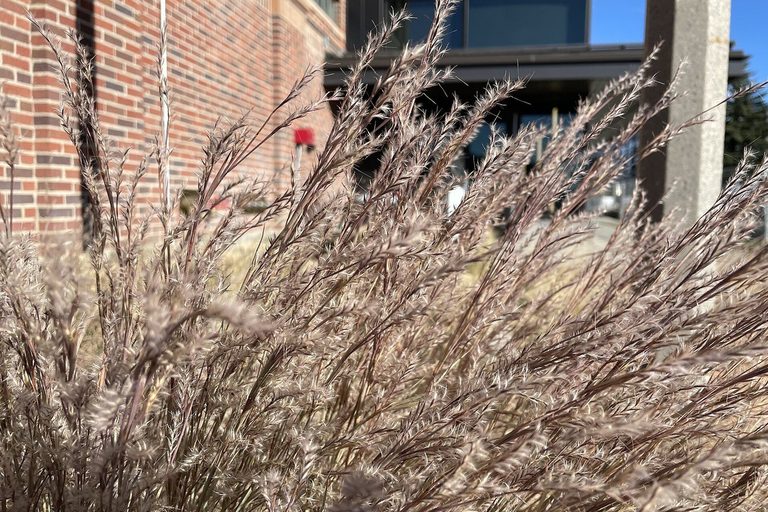
Which shrubs, ornamental grasses and lawn grasses actually survive road salt along curbs and driveways, which to avoid, and how to plant them.
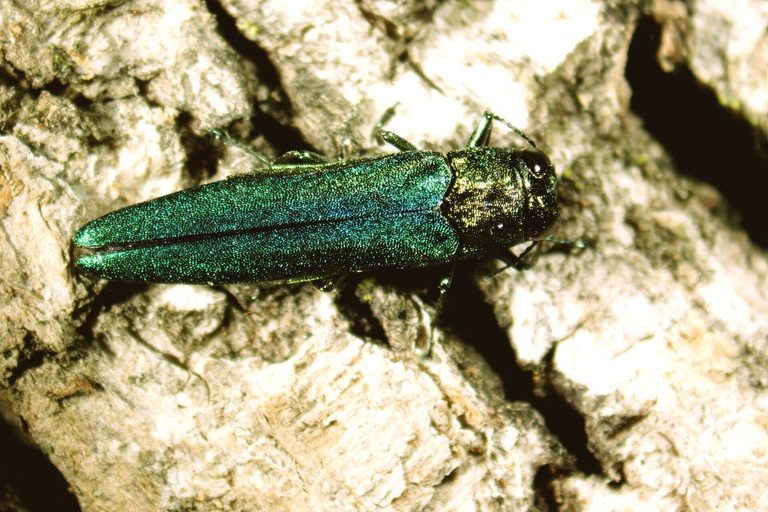
How to decide whether to treat or remove your ash tree for emerald ash borer: the canopy rule, size limits, timing, and what each choice costs.
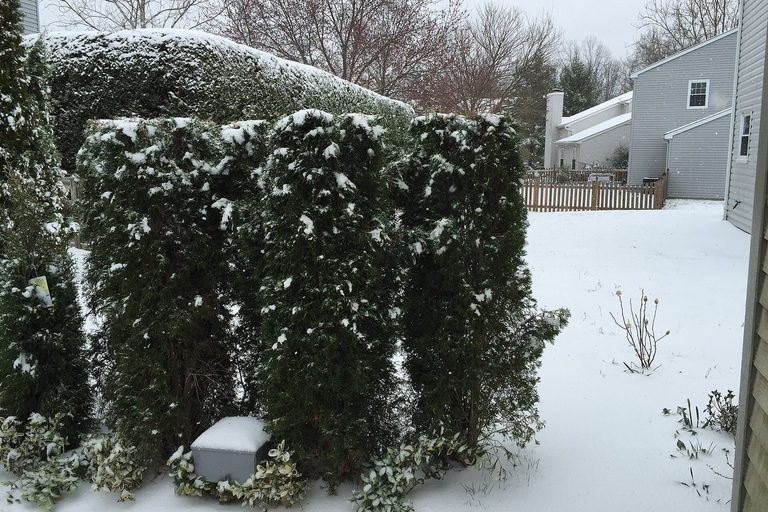
Heavy wet snow splits arborvitae and flattens yews. How to tie them up before winter, how to clear snow safely, why you should never whack an iced branch, and how to fix…