Weeds & Pests
Dog Spots or Lawn Fungus? How to Tell the Difference
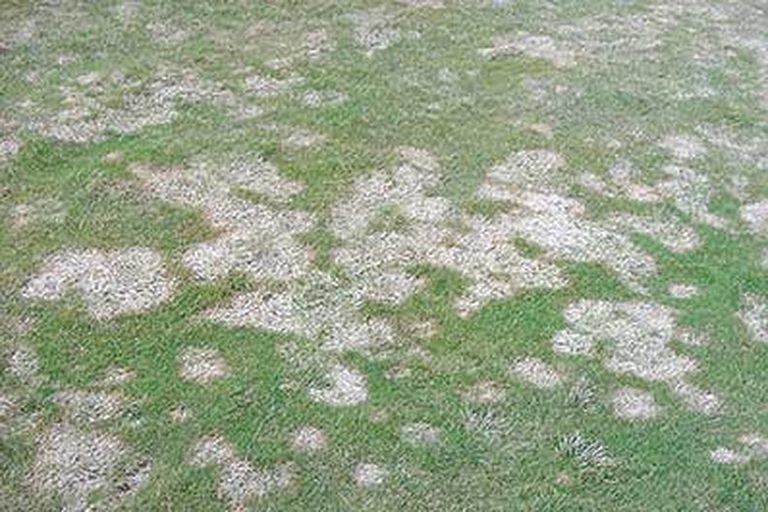
Round brown patches can be dog urine or disease. The ring test, the tug test and the timing that tell you which, and how to fix each one.
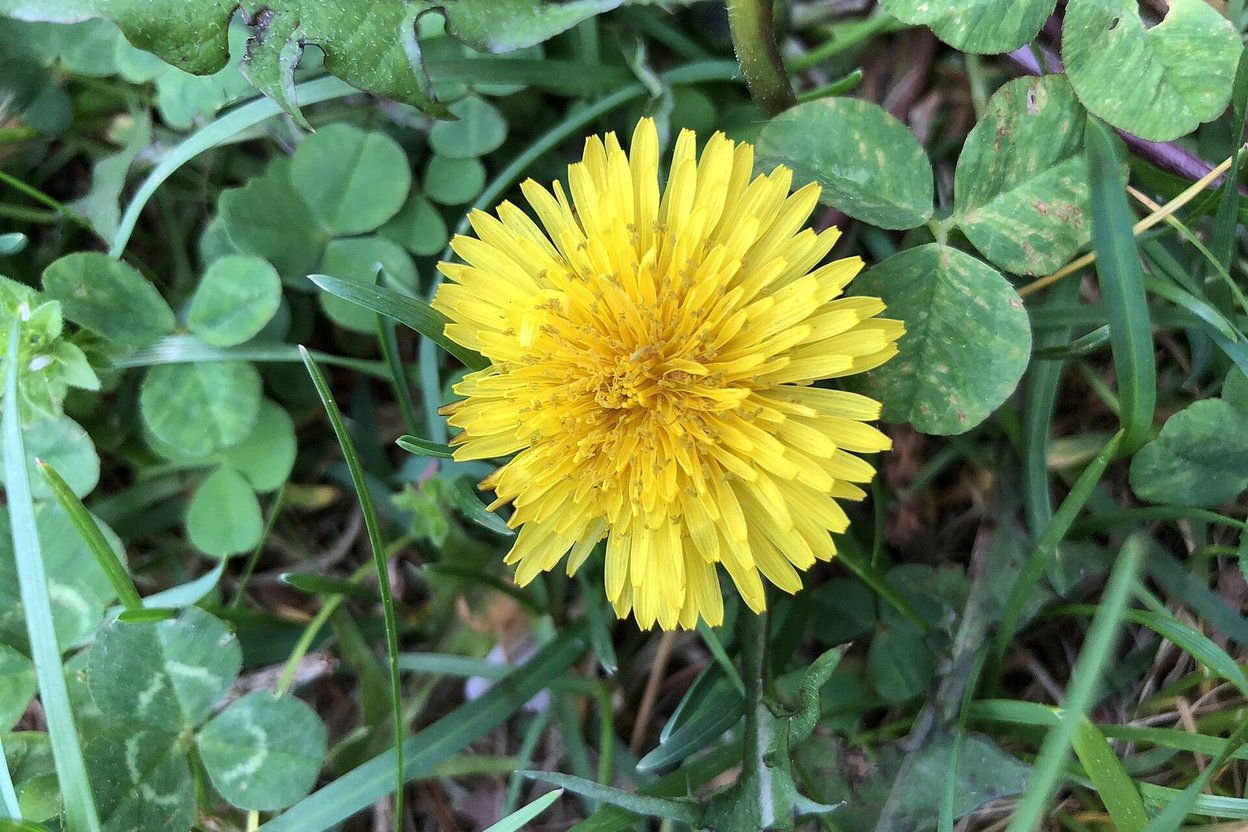
Dandelions, clover and creeping Charlie are easiest to kill in fall, when they're pulling food down to their roots. Timing, temperatures, and how to do it safely.
Jack · golf course superintendent·3 min read·October 2, 2026
If you only have time to fight broadleaf weeds once a year, do it in the fall. Dandelions, clover, plantain, ground ivy (creeping Charlie) and other perennial broadleaf weeds are at their most vulnerable from mid-September into October, and university turf programs across the northern states say the same thing. Here's why, and how.
In fall, perennial weeds are storing food for winter. They move sugars from their leaves down into their roots. A systemic broadleaf herbicide applied now rides along with that flow and gets carried down into the root, which is what kills a perennial weed for good. In spring, the flow goes the other way, up into new leaves and flowers, so a lot of what you spray never reaches the root.
There's a bonus: the lawn is growing strongly in fall, so it fills in the spots where weeds die before spring weeds can move in.
Most lawns don't need the whole yard treated. Spot-spray the weeds you can see. You use far less product, spend less money, and keep it away from trees, shrubs and gardens. If weeds cover most of the lawn, a broadcast treatment may make sense, but that usually means the lawn needs feeding, overseeding and better mowing more than it needs more herbicide.
The label is the law, and it tells you what weeds a product controls, the rate, the temperature range, and how long to wait before you seed. Many broadleaf products require waiting several weeks before seeding, so plan your fall overseeding around it. Keep kids and pets off treated areas until the product has dried, or longer if the label says so.
Weeds move into thin lawns. The best weed control is a thick lawn: mow high (3 inches or more during the season), feed in fall, and fix bare spots. Our visual guide to common lawn weeds shows you what you're dealing with. Hit the broadleaf weeds this October, follow with the late-fall feeding, and you'll be amazed how few dandelions show up in May.
Photo: 2019-04-30 18 04 39 Dandelion flower in a lawn along Tranquility Court in the Fr by Famartin, CC BY-SA 4.0.
Round brown patches can be dog urine or disease. The ring test, the tug test and the timing that tell you which, and how to fix each one.
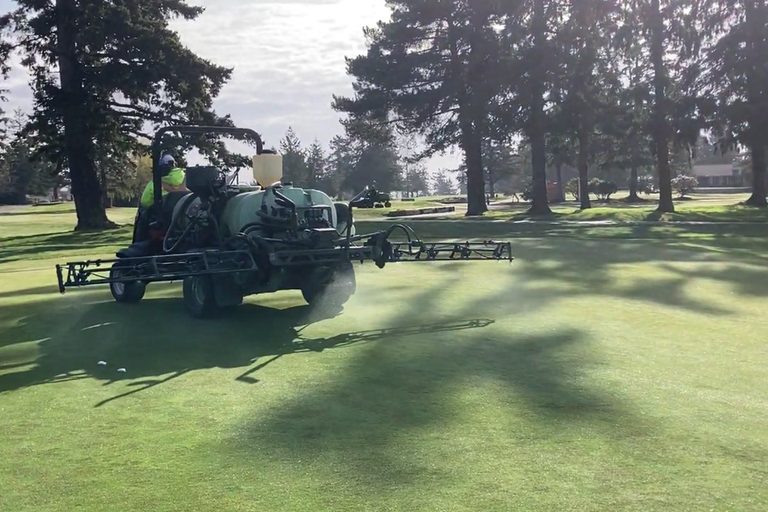
Golf courses spray fungicide on greens. Most home lawns don't need it. When a fungicide makes sense, when it's a waste of money, and what fixes the problem instead.
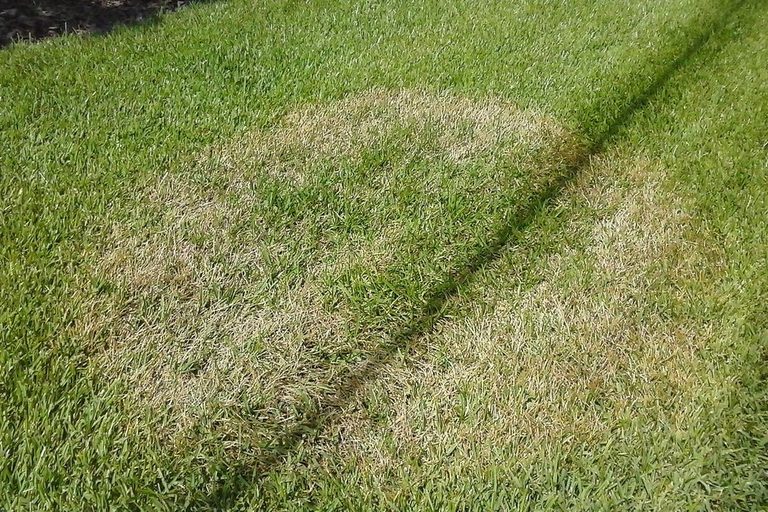
Two different fungi, two different winters. How to tell gray from pink snow mold, why pink can show up with no snow at all, and what each means for your lawn.