Weeds & Pests
Dog Spots or Lawn Fungus? How to Tell the Difference
Round brown patches can be dog urine or disease. The ring test, the tug test and the timing that tell you which, and how to fix each one.
Torn-up turf in fall usually means animals digging for white grubs. How to confirm grubs, why curative treatments now are limited, and how to repair and prevent it next year.
Jack · golf course superintendent·3 min read·October 2, 2026
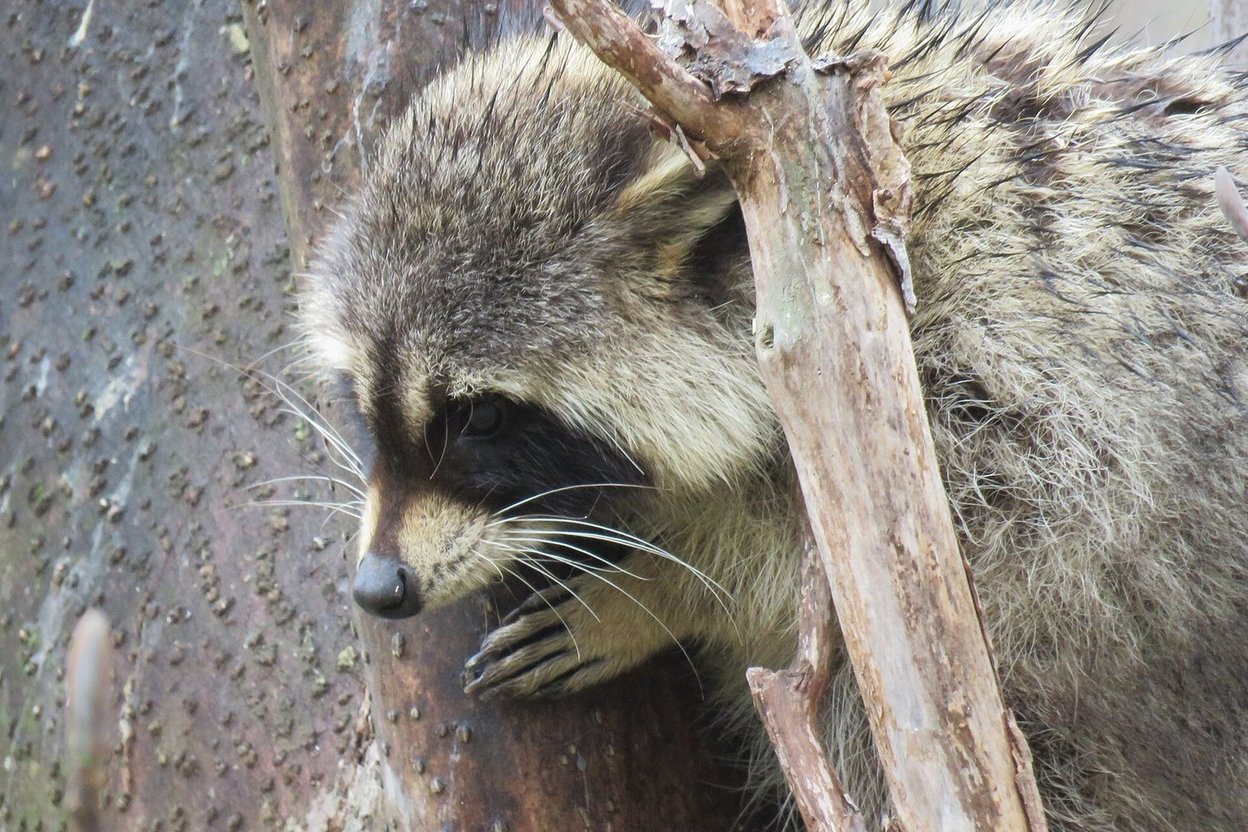
You wake up and part of the lawn has been peeled back like a carpet. Patches flipped over, holes poked everywhere. That's not vandalism. It's skunks, raccoons, or crows hunting the white grubs living under your grass. Here's how to tell what's going on and what you can do about it in fall.
White grubs are the C-shaped larvae of beetles like Japanese beetles, masked chafers and European chafers. They feed on grass roots.
If you find almost no grubs, the digging may be animals after earthworms or other insects, which happens in moist soil, and treating for grubs won't help.
Partly. Grubs feed near the surface in late summer and early fall, then move deeper in the soil as it cools. Curative products (fast-acting insecticides labeled for grubs) work best while grubs are small and near the surface, usually late August through September. By mid-to-late October, grubs are moving down, and treatments become much less effective. Read the label for timing, and water the product in as directed.
Preventive products, applied in early-to-mid summer, are what actually stop grub damage the next year if you've had problems.
Skunks and raccoons will keep digging as long as there's food. Once grubs move deeper for winter, the digging usually stops on its own. Repellents and motion-activated sprinklers help some people. Never try to handle wild animals yourself; call a licensed wildlife control service if they're denning under a porch or shed.
See our guide on repairing bare spots.
Grub damage looks terrible in October, but a lawn that's treated right next summer and repaired this fall will be back to normal by June.
Photo: Common raccoon (Procyon lotor) in a tree at Noboribetsu Onsen, Hokkaido, April 2_in_a_tree_at_Noboribetsu_Onsen,_Hokkaido,_April_2023_02.jpg) by Calistemon, CC BY-SA 4.0.
Round brown patches can be dog urine or disease. The ring test, the tug test and the timing that tell you which, and how to fix each one.
Golf courses spray fungicide on greens. Most home lawns don't need it. When a fungicide makes sense, when it's a waste of money, and what fixes the problem instead.
Two different fungi, two different winters. How to tell gray from pink snow mold, why pink can show up with no snow at all, and what each means for your lawn.