Weeds & Pests
Dog Spots or Lawn Fungus? How to Tell the Difference
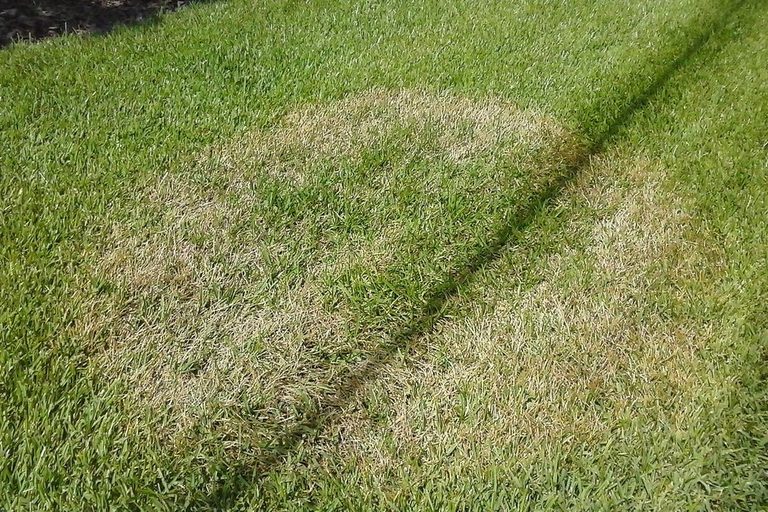
Round brown patches can be dog urine or disease. The ring test, the tug test and the timing that tell you which, and how to fix each one.
Jack · golf course superintendent·1 min read·August 22, 2026
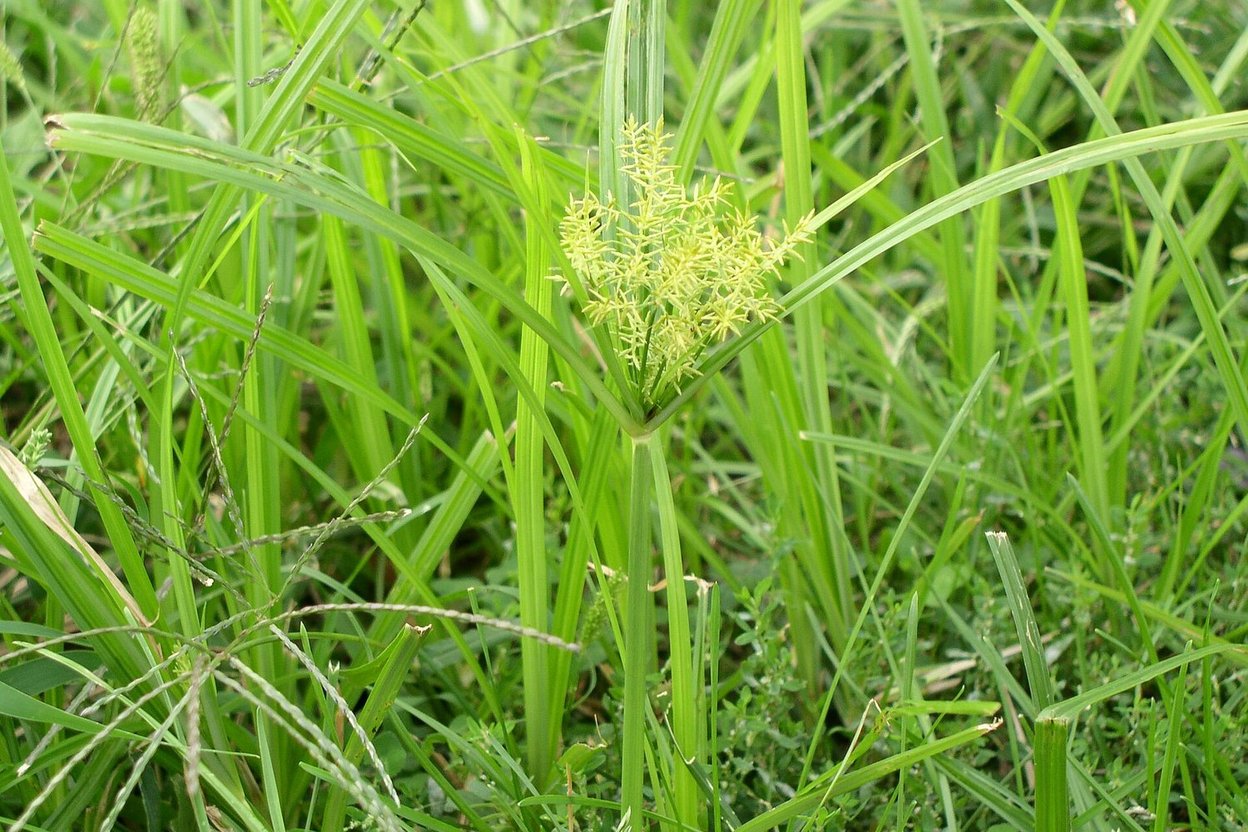
Nutsedge (often called nutgrass) looks like grass but is actually a sedge. Most “weed and feed” products and standard broadleaf herbicides do almost nothing to it. It spreads by underground tubers (nuts) that can survive for years.
Photo: Cyperus esculentus by User:Blahedo, CC BY-SA 2.5.
Round brown patches can be dog urine or disease. The ring test, the tug test and the timing that tell you which, and how to fix each one.
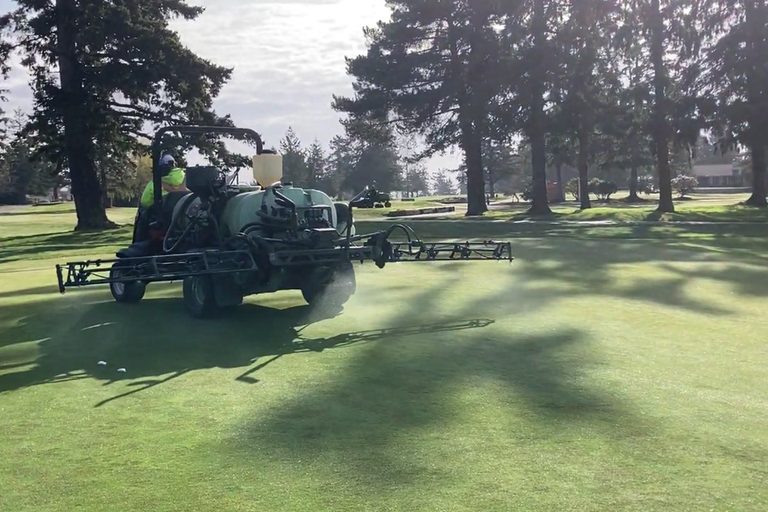
Golf courses spray fungicide on greens. Most home lawns don't need it. When a fungicide makes sense, when it's a waste of money, and what fixes the problem instead.
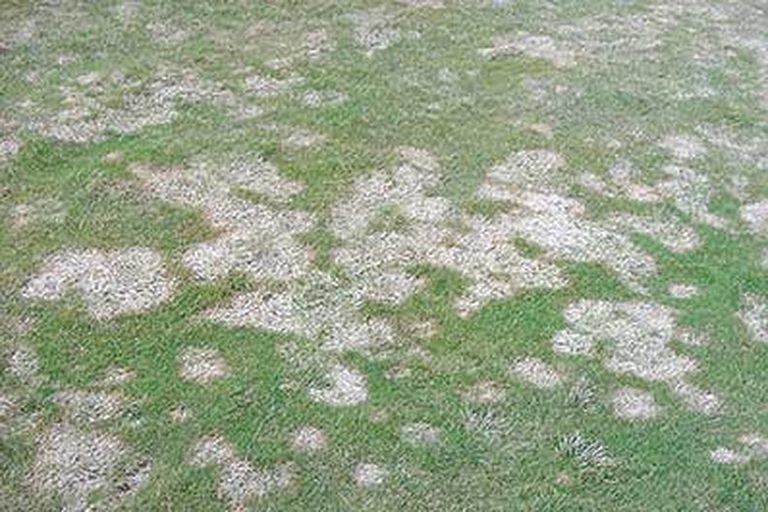
Two different fungi, two different winters. How to tell gray from pink snow mold, why pink can show up with no snow at all, and what each means for your lawn.