Mowers & Equipment
Are Robot Mowers Good Enough Yet? A Golf Course Superintendent Judges the Cut
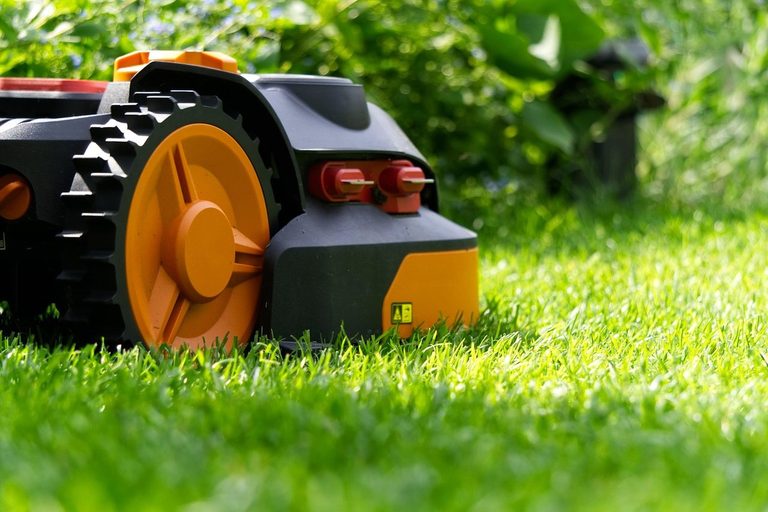
A golf course superintendent's verdict on robot mowers: why the cut beats rotary mowers, where they fall short, costs, and who should buy one.
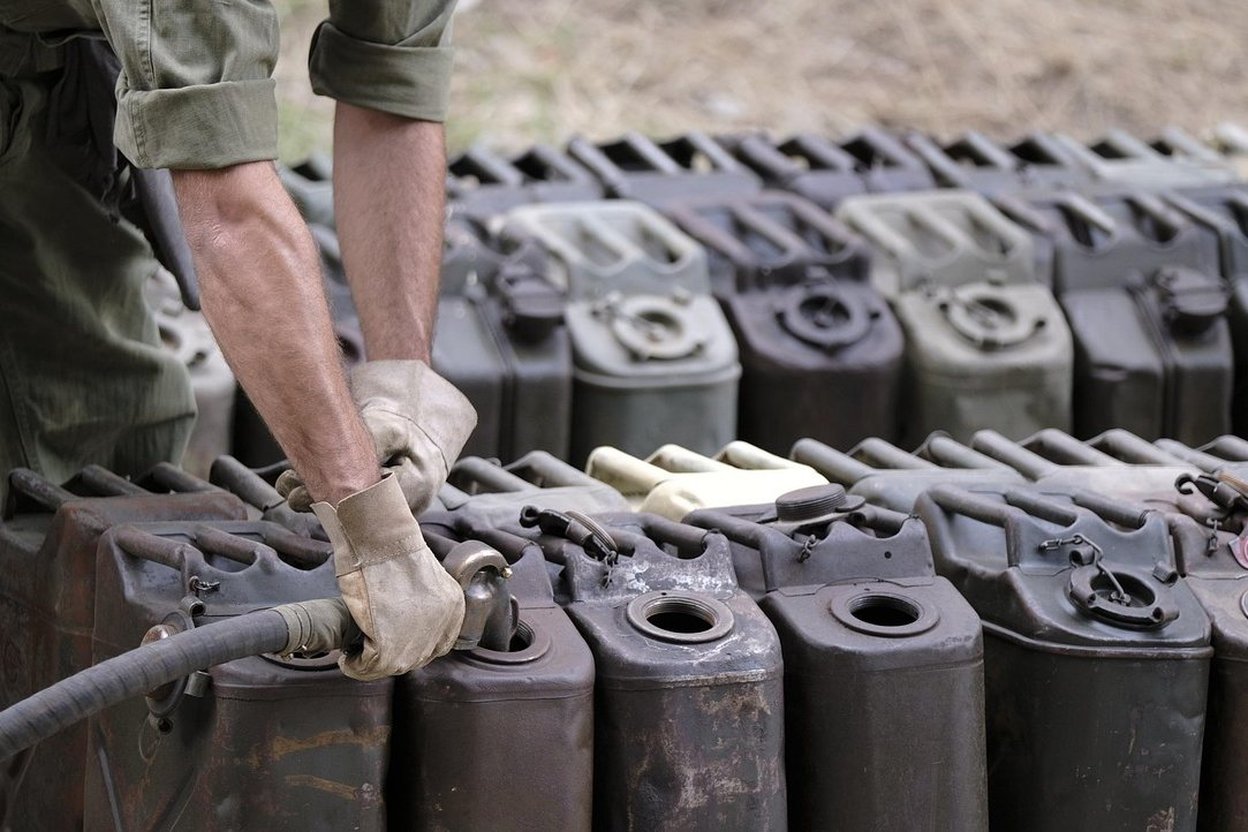
Most small-engine repairs start with bad gas. What ethanol does in storage, how long fuel lasts, what stabilizer does, and how to store gas for the mower, snowblower and generator.
Jack · golf course superintendent·3 min read·October 4, 2026
Ask any small-engine mechanic what they fix most and they'll tell you: carburetors gummed up with old gas. Mowers, trimmers, snowblowers, chainsaws and generators all run on small carburetors with tiny passages, and stale fuel clogs them. Understanding a little about fuel saves you a lot of repair bills.
Gasoline is a blend of compounds, and the lighter ones evaporate over time. What's left breaks down, oxidizes and forms gums and varnish. In a small engine sitting all winter, that varnish coats the carburetor and clogs the jets.
Many sources say untreated gas starts to lose quality in about a month, and can cause trouble after a few months of sitting. Hot garages make it worse.
Most gas at the pump in the U.S. contains up to 10 percent ethanol (E10).
Never use E15 or higher in small engines unless the manufacturer specifically allows it. Many small-engine manufacturers warn against it.
Stabilizer slows the breakdown of gasoline.
Stabilizer extends fuel life, but it isn't forever. Many products claim a year or more; follow the label.
Sometimes sold as "recreational fuel" or at marinas, ethanol-free gas stores better and is easier on small engines. If it's available near you, it's worth it for equipment that sits a lot. Pre-mixed canned fuels for small engines are another option; they're expensive but store for a long time.
Check your manual for the manufacturer's recommendation.
A standby or portable generator has to start the first time, in an outage. Treat its fuel, run it monthly for a few minutes under some load, and keep fresh fuel on hand. Our friends at The Midwest Prepper cover generator safety and sizing a generator.
Fresh, treated fuel is the cheapest maintenance you can do for every engine in your garage.
Photo by MatteoBaronti on Pixabay.
A golf course superintendent's verdict on robot mowers: why the cut beats rotary mowers, where they fall short, costs, and who should buy one.
A small lawn under 5,000 square feet needs a basic mower, not a $6,000 one. Learn the cut height, blade, and upkeep that actually matter.
Battery or gas mower in snow country: how cold affects each one, the right fall mowing height, and how to store each over winter.