Lawn
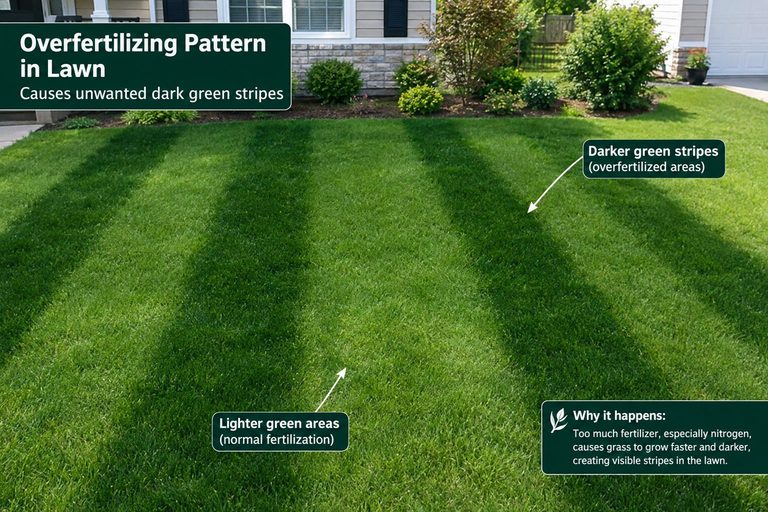
How to Fix Fertilizer Stripes in Your Lawn (and Never Get Them Again)
Tell dark-green overlap stripes from yellow burn stripes, fix each one, and calibrate your spreader and walking pattern so they don't come back.
Jack · golf course superintendent·1 min read·August 22, 2026
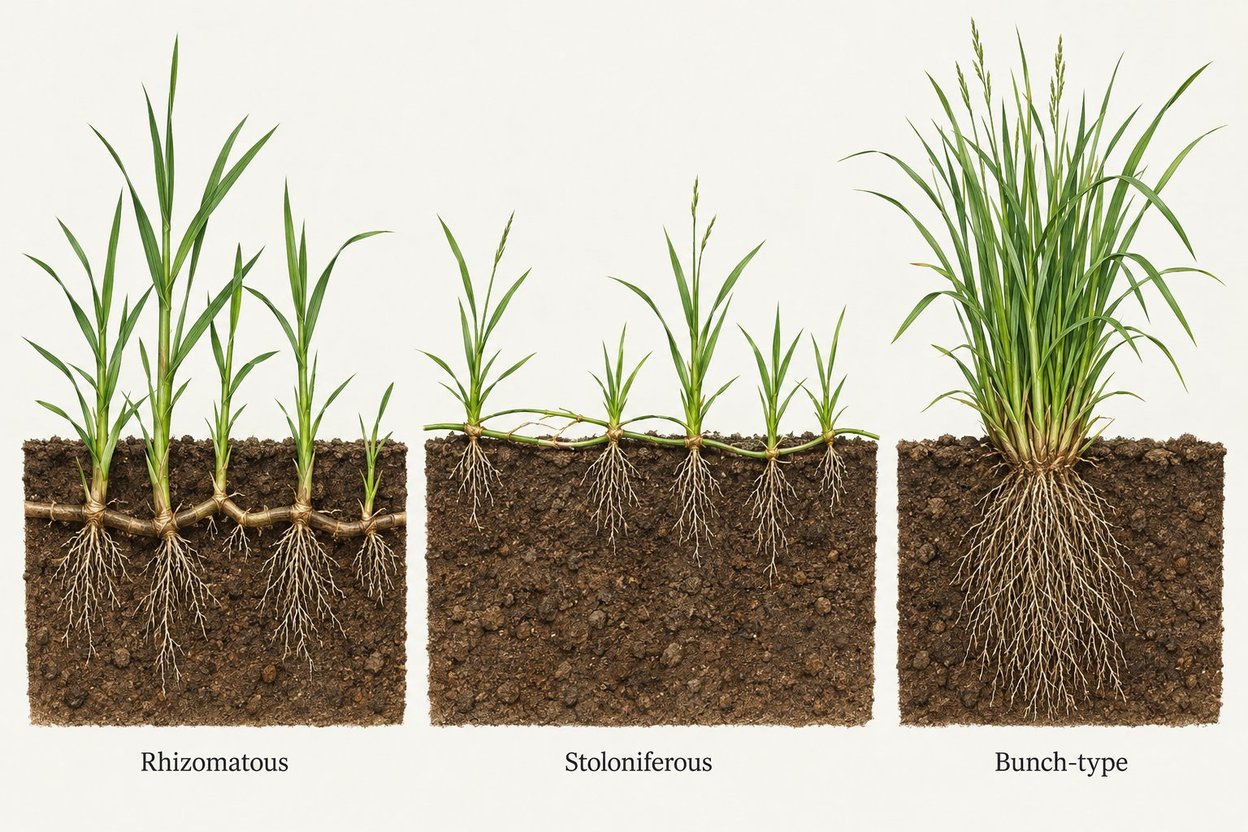
Different grasses spread in different ways. Understanding these habits helps you pick the right mix and set realistic expectations for how quickly your lawn will fill in and repair damage.
Tell dark-green overlap stripes from yellow burn stripes, fix each one, and calibrate your spreader and walking pattern so they don't come back.
Most lawns need two or three feedings a year, plus crabgrass prevention only if needed. A golf course superintendent's yearly schedule.
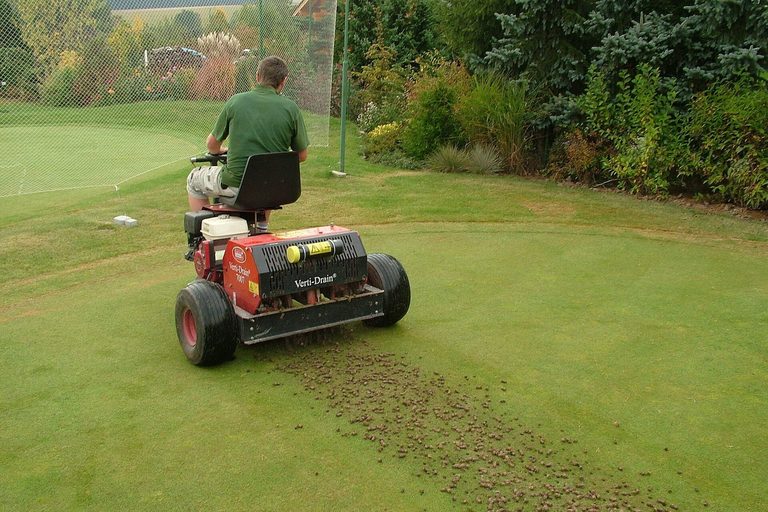
Skip the flyer: a screwdriver probe and thatch check show whether your lawn needs aeration, plus soil and traffic guidance on when to core aerate.