Trees & Shrubs
Salt-Tolerant Shrubs and Grasses for Curb Strips and Driveways
Which shrubs, ornamental grasses and lawn grasses actually survive road salt along curbs and driveways, which to avoid, and how to plant them.
When the snow comes, deer go after arborvitae, yews and young trees. Which plants they love, the fences and wraps that actually stop them, repellents, and when to put protection up.
Jack · golf course superintendent·3 min read·October 4, 2026
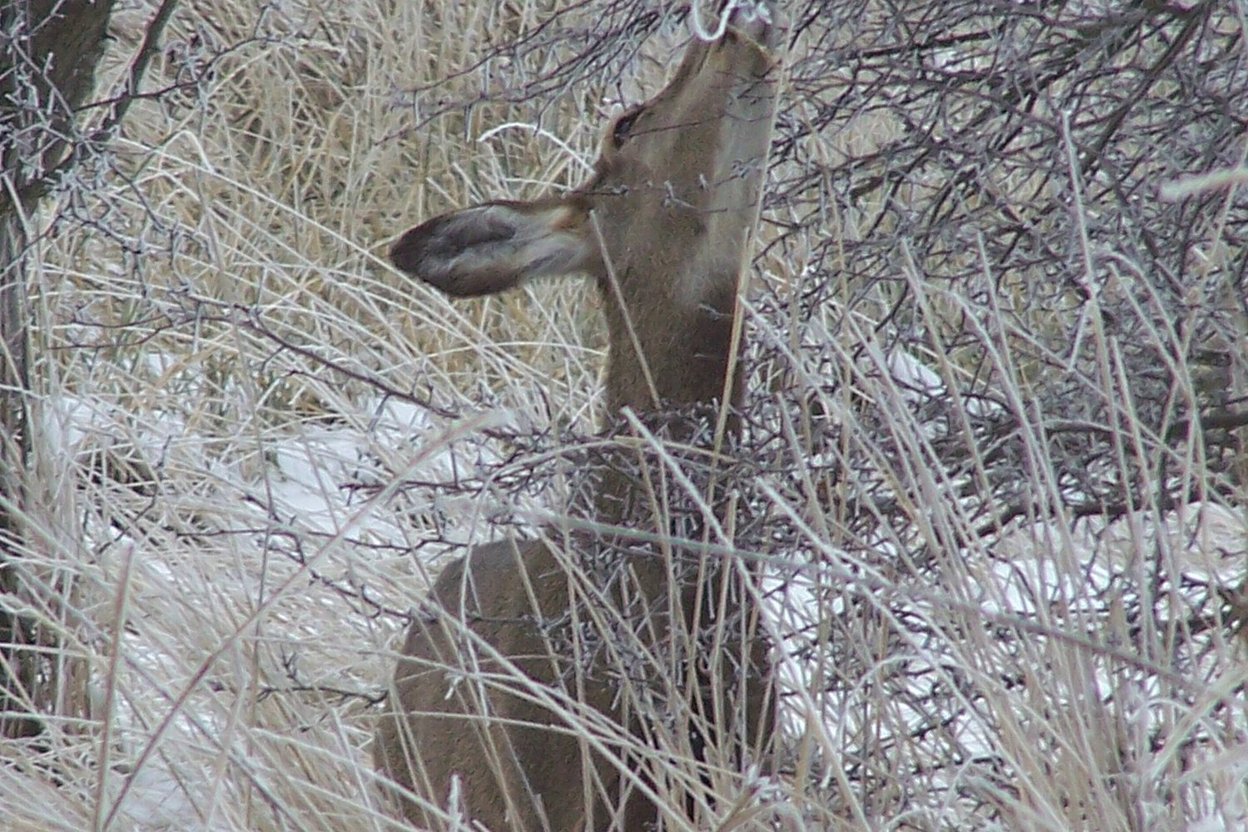
In a lot of northern neighborhoods, deer are the biggest threat to landscaping all winter. Once the snow covers their usual food, they move in on yards and strip arborvitae, yews and young trees. I've seen hedges eaten bare to exactly the height a deer can reach. Here's what works.
Bucks also rub their antlers on young trees in fall, stripping bark.
The most reliable protection.
Repellents make plants taste or smell bad. They help, but:
Motion-activated sprinklers and lights work in some yards for a while, but deer get used to them, and sprinklers don't help in freezing weather.
Before the snow comes, usually late fall. If deer have browsed your yard before, assume they'll come back.
If deer are common where you live, choose plants they usually avoid. Your extension service has local "deer-resistant" plant lists. No plant is deer-proof, but some are much less tempting.
Fence or wrap the plants that matter most, use repellents on the rest, and get it done before the first heavy snow.
Photo: A deer grazing on the trees and shrubs of the park during winter (3ce96957-6979-.JPG) by NPS Photo, Public domain.
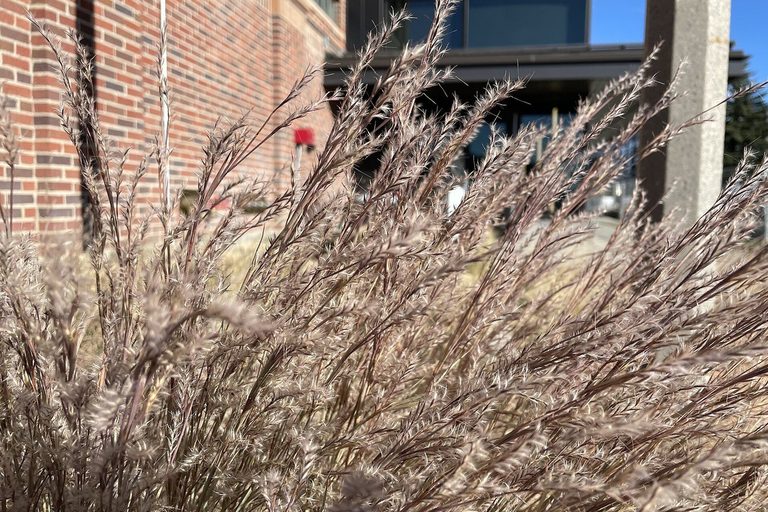
Which shrubs, ornamental grasses and lawn grasses actually survive road salt along curbs and driveways, which to avoid, and how to plant them.
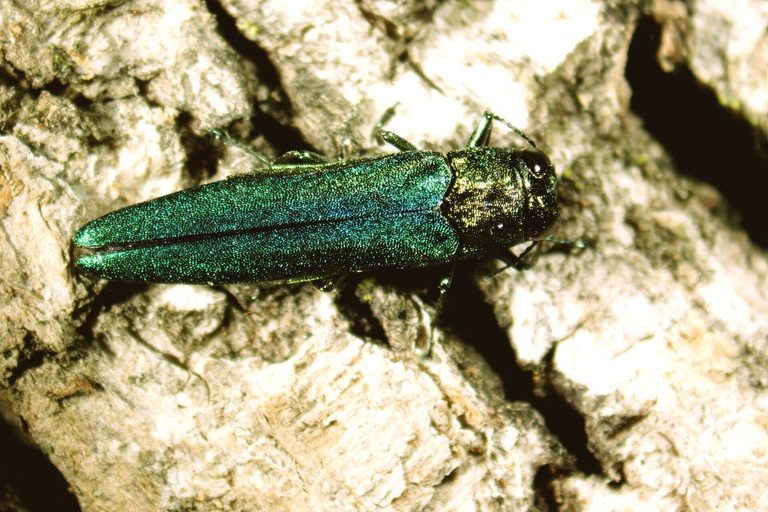
How to decide whether to treat or remove your ash tree for emerald ash borer: the canopy rule, size limits, timing, and what each choice costs.
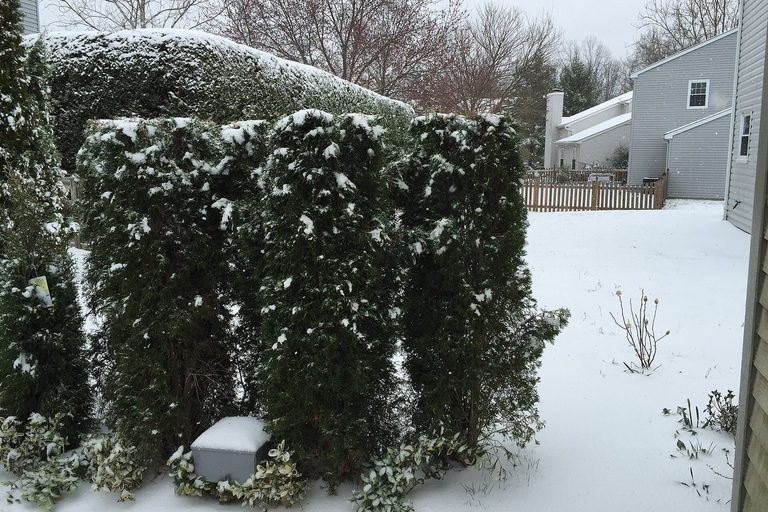
Heavy wet snow splits arborvitae and flattens yews. How to tie them up before winter, how to clear snow safely, why you should never whack an iced branch, and how to fix…