Soil & Feeding
Lime for Northern Lawns: When and How Much
Lime fixes acid soil. It doesn't fix every thin lawn. How to tell if your lawn needs it, calcitic vs. dolomitic, how much to put down at once, and why fall is…
Jack · golf course superintendent·1 min read·August 22, 2026

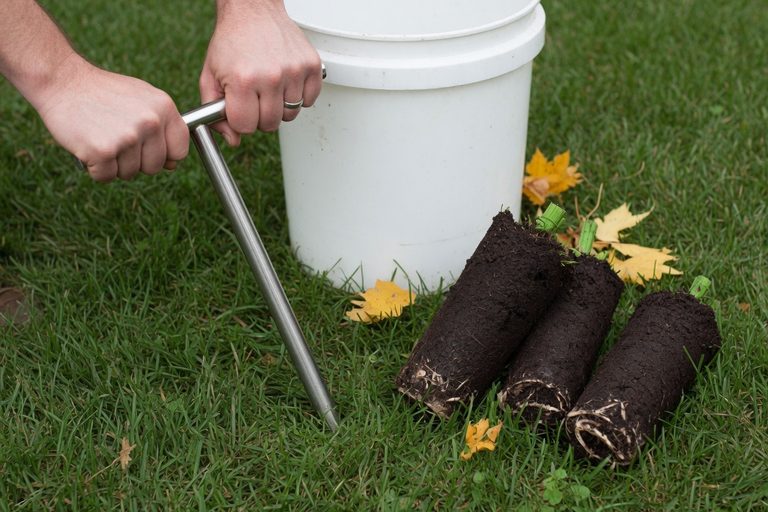
Most homeowners fertilize blind. A professional soil test from a lab like the University of Illinois or a private service removes the guesswork and saves money while protecting the environment.
Follow the lab’s recommendations exactly for the first year. Re-test every 2-3 years. Focus on building organic matter and correcting pH before chasing N-P-K numbers.
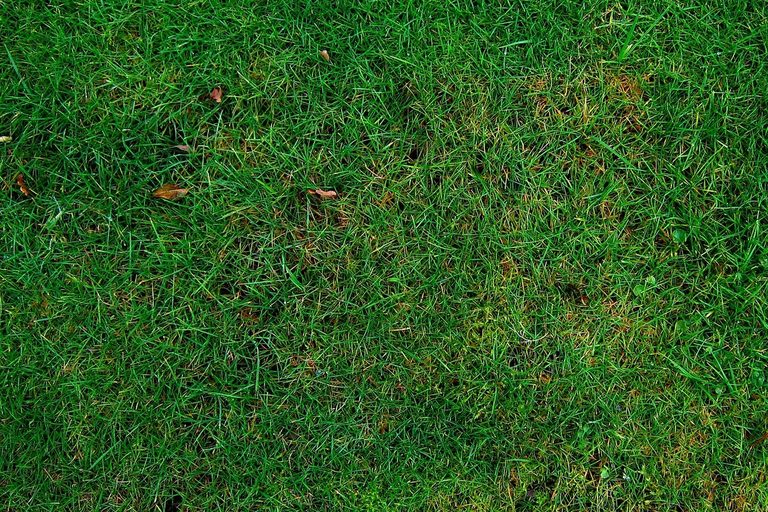
Photo by jarmoluk on Pixabay.
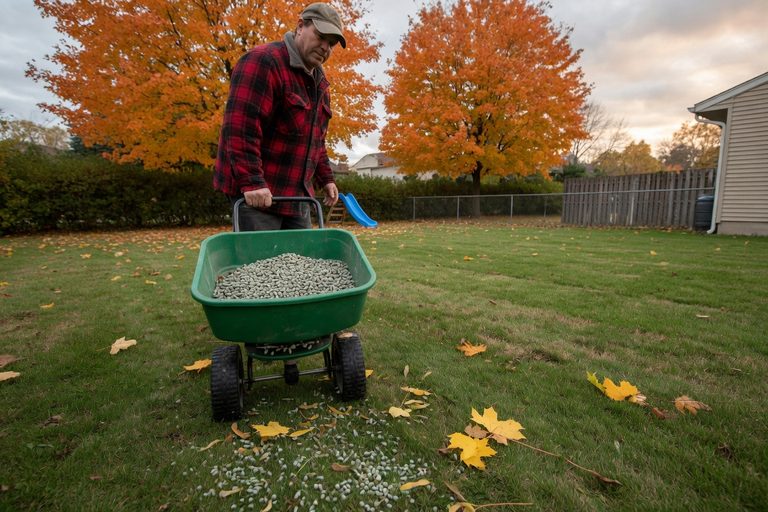
Lime fixes acid soil. It doesn't fix every thin lawn. How to tell if your lawn needs it, calcitic vs. dolomitic, how much to put down at once, and why fall is…
A soil test is the cheapest way to stop guessing on lime and fertilizer. Why fall is the best time to test, how to take a good sample, and what to do…
pH affects every nutrient your grass can or cannot access. Many northern soils run acidic, so lime is often needed (some, especially in the Plains and mountain West, run alkaline, so test…