Garden Beds
Getting Roses Through a Northern Winter: Sort Them, Wait, Then Cover
Hardy shrub roses can stay uncovered. Tender hybrid teas need mounding or tipping, but only after they go fully dormant. Here's how to time it.
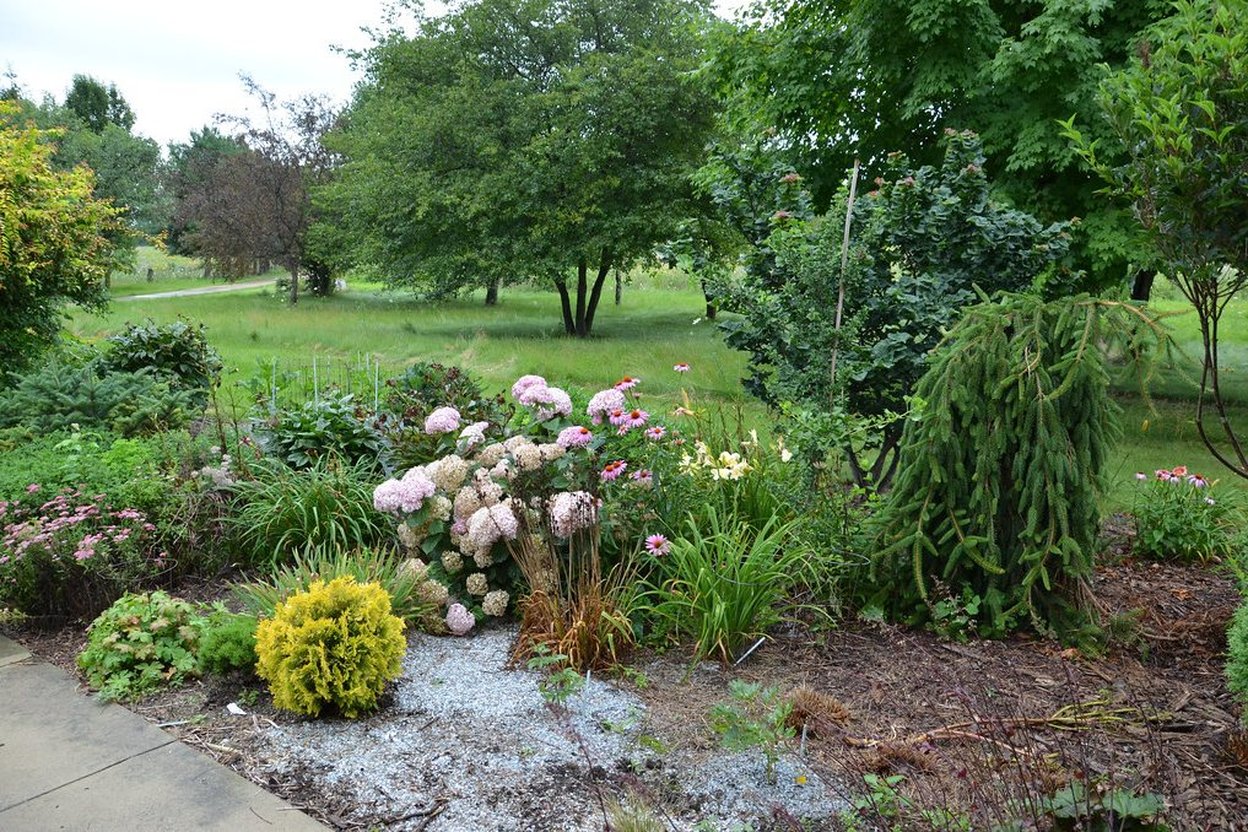
Which perennials to cut back this fall and which to leave standing for winter, with cutting heights, timing, and spring cleanup steps.
Jack · golf course superintendent·7 min read·October 21, 2026
The mums are done and the coneflower heads have gone brown. The peony leaves are spotted, and each time you walk past the bed you wonder if this is the weekend you have to cut it all down. It isn't. Cut the plants that carry disease or pests in fall, and leave the healthy plants standing until spring. Below is a short list of what to cut now and what to leave, with the timing and cutting height for each. Most of the bed can wait.
Cutting back in fall is about sanitation, not looks. Purdue Extension says most healthy perennials can stand all winter. The seed heads and foliage give you something to look at, feed birds and shelter overwintering butterflies. Plants with disease or pest problems are different. Those should come down in fall. Chicago Botanic Garden agrees that many perennials need to be cut to the ground in fall for sanitation reasons, and it also lists plenty that can stay up through winter.
So the job splits in two:
On a golf course you don't work on every bed every week. You set things up so they look right for the people using them without constant labor. A perennial bed works the same way. A few targeted cuts in fall and one cleanup in spring will beat a full scorched-earth weekend in October. The full cut-back takes more work, and for most of the bed it's also the worse choice.
Time it right. Purdue says to wait until several hard frosts have killed the tops. Cutting before then just throws away good green leaves. Purdue's general cutting height is about 2 inches above the soil. Use hand pruners for a few plants. A power hedge trimmer will save your back on big plantings.
Don't compost any of this. Garden Gate's advice is to never compost suspicious-looking or infected leaves, stems or flowers. A home compost pile usually doesn't run hot enough to be sure it kills spores or pests. That last point is my opinion, not a lab result. Bag the debris or put it out with the yard waste.
These plants do more for the yard standing up than lying in a yard-waste bag:
Across the northern US, that dead top growth works like a cheap blanket. Garden Gate notes that leaving foliage standing through winter can help protect crowns. It holds snow, it breaks the wind, and it's free.
Besides the crown protection, standing stems have a second job. According to Illinois Extension, about 30% of native bees nest above ground in cavities such as plant stems. The rest overwinter in the ground. Pulling everything out early in spring disrupts both groups. The seed heads you leave also feed birds through the winter, which Purdue and Chicago Botanic Garden both point out.
That changes when you do the spring work, not just whether you do it. Illinois Extension gives a clear rule: wait until nights are consistently above 50°F before clearing or cutting back plant material. When you do cut, leave stems 12 to 18 inches tall. That height gives bees opened stems to move into and encourages spring egg-laying.
The sources don't all agree on height, because they're solving different problems. Purdue's 2 inches is a sanitation and tidiness number for fall. NC State Extension, writing for a warmer state, suggests trimming in early winter to 1 to 2 feet so bees can move in during January and February. Across the northern US, the Illinois spring approach fits better: leave the stems up over winter and cut them high once nights warm up.
Here's the whole program for a homeowner with a budget and limited weekends:
Fall (after several hard frosts)
Spring
The healthy plants get left alone, the sick ones get cut, and you get your fall weekends back.
Photo: Echinacea purpurea 7/2021 Coneflower- by F. D. Richards, BY-SA 2.0.
Hardy shrub roses can stay uncovered. Tender hybrid teas need mounding or tipping, but only after they go fully dormant. Here's how to time it.
Most hydrangeas should not be pruned in fall. Learn how to identify your type, what's safe to cut now, and how to protect buds through winter.
Fallen leaves make free mulch once shredded. Learn the right depth, when to wait for hard freezes, and which leaves to keep out of your beds.